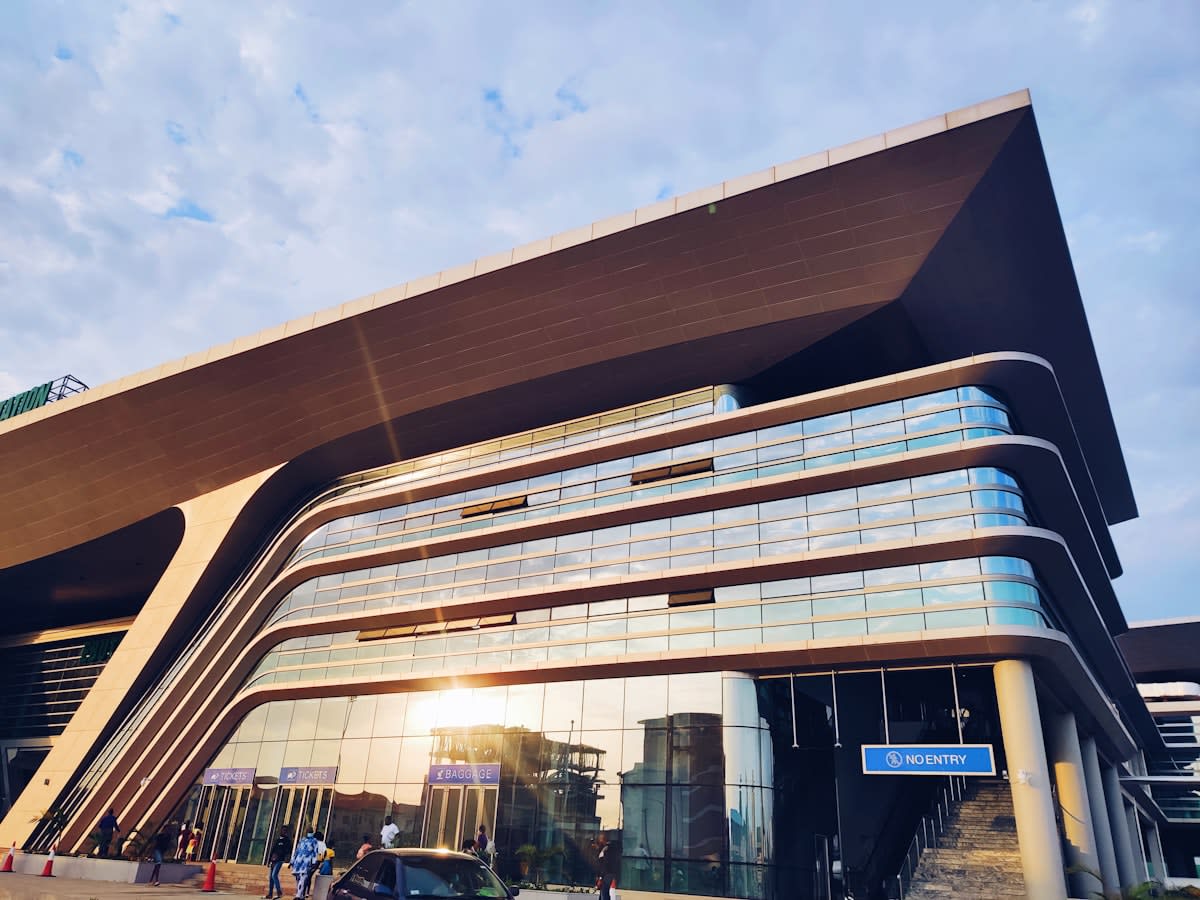
The Geographic Pivot
For decades, the luxury industry operated on a predictable map. Wealth flowed from the heritage houses of Paris, Milan, and London toward established hubs in East Asia and the Middle East. But look closer at the transaction data from the last eighteen months, and a different story emerges. West Africa is no longer just a destination for opportunistic exports; it is becoming a primary driver of global luxury demand. This isn't a sudden spike, but a calculated migration of influence. We are witnessing the birth of a market that doesn't just consume luxury but redefines it through a lens of cultural pride and aggressive modernization.
Compare the current landscape to where we stood a year ago. Twelve months ago, luxury consumption in cities like Lagos and Accra was characterized by the suitcase trade—ultra-high-net-worth individuals (UHNWIs) purchasing goods during trips to Europe and importing them via private couriers. Today, the delta is clear. The trend has shifted from procurement to presence. We are seeing a surge in localized luxury infrastructure, from high-end concept stores to bespoke concierge services that operate on the ground. The demand is no longer about accessing the product; it is about the experience of luxury within the local urban fabric.
"The global luxury house that views West Africa as a secondary market is fundamentally misreading the current wealth migration. This is not a frontier; it is the new center of gravity."— Industry Analysis, Global Wealth Report
The Engine of Demand: Demographics and Digitality
What fuels this ascent? The answer lies in a potent mix of demographic pressure and digital acceleration. West Africa possesses one of the youngest populations globally, with a burgeoning class of tech-native entrepreneurs who view luxury not as a static symbol of old money, but as a dynamic tool for identity signaling. These consumers are not beholden to the conservative tastes of their parents. They blend heritage luxury—think Hermès or Loro Piana—with avant-garde local designers, creating a hybrid aesthetic that is currently influencing runways in Europe.
The digital penetration in the region has obliterated the traditional barriers to entry. High-end consumers in West Africa are among the most active users of social commerce globally. They don't wait for a brand to open a store in their city to understand its value proposition; they engage with the brand via Instagram and TikTok, creating a demand vacuum that forces heritage houses to accelerate their entry into the market. This digital-first approach has compressed the traditional luxury adoption cycle from years into months.
| Metric | Legacy Luxury Model | West African Luxury Trend |
|---|---|---|
| Primary Driver | Heritage & Tradition | Identity & Innovation |
| Acquisition Channel | Flagship Boutiques | Omnichannel/Social Commerce |
| Consumer Age | 45-65 (Established) | 25-40 (Entrepreneurial) |
| Spending Pattern | Seasonal/Planned | Instant/Impulse High-Ticket |
Beyond the youth, the concentration of wealth is diversifying. While oil and gas remain significant, we are seeing a rise in wealth generated by fintech, creative industries, and global trade. This new wealth is more fluid and less risk-averse. It manifests in a willingness to spend on high-ticket items that offer a blend of rarity and utility. The market is moving away from loud logos toward quiet luxury—investing in craftsmanship, rare materials, and exclusivity that only those in the know can recognize.
Market Insight
The Hybridization Effect: West African luxury consumers are increasingly demanding products that acknowledge their local context. This has led to a rise in limited-edition collaborations between European houses and African artisans, moving the relationship from patronage to partnership.
The Infrastructure Gap and the Opportunity
Despite the appetite, the physical infrastructure has lagged. This gap is exactly where the current opportunity resides. For years, the lack of secure, high-end retail environments pushed consumers to shop abroad. However, the last twelve months have seen a pivot toward the development of gated luxury districts and high-security malls that mimic the experience of Avenue Montaigne or Bond Street. This structural shift is critical; it transforms luxury from a transactional purchase into a social ritual.
Why does this matter for the global economy? Because the West African market is a bellwether for the Global South. The strategies that succeed here—specifically the integration of digital payment systems with high-touch physical service—will likely be the blueprint for luxury expansion in other emerging markets. Brands that attempt to simply transplant their Parisian model without adjusting for local logistics and cultural nuances are finding themselves ignored by the very consumers they seek to attract.
The role of the diaspora cannot be overstated. Millions of high-earning professionals moving between West Africa and global hubs like New York, London, and Dubai act as cultural conduits. They bring back not just goods, but expectations of service and quality. This creates a feedback loop where the local market matures at an accelerated pace, demanding a level of sophistication in retail and after-sales service that was previously unseen in the region.
We are also seeing a shift in the definition of luxury itself. It is no longer just about the object; it is about access. Exclusive memberships, private jet charters within the region, and high-end wellness retreats are seeing unprecedented growth. The consumer is buying time, privacy, and curated experiences. This shift toward the experiential economy suggests that the luxury market in West Africa is maturing faster than the traditional retail metrics suggest.
The Global Ripple Effect
As West Africa asserts its influence, the ripple effects are felt in the boardrooms of LVMH and Kering. The region is no longer a footnote in the annual report; it is a strategic priority. The challenge for these giants is to avoid the trap of homogenization. The West African consumer is sophisticated and possesses a keen sense of authenticity. They can spot a generic corporate strategy from a mile away. To win, brands must move beyond the superficial and engage with the actual cultural drivers of the region.
What happens next? Expect to see a wave of luxury hotel developments and high-end residential projects that integrate retail into the living experience. The boundary between where one lives, works, and shops is blurring. This holistic approach to luxury is where the real growth lies. The region is not just adopting luxury; it is innovating the way luxury is delivered and experienced in the 21st century.
Ultimately, the rise of West Africa as a luxury powerhouse is a symptom of a broader geopolitical shift. Wealth is decentralizing. The old guard of luxury consumption is plateauing, while the new guard is energetic, digitally fluent, and culturally confident. The New Luxury Map is being drawn in real-time, and for those paying attention, the coordinates point decisively toward the Gulf of Guinea.