
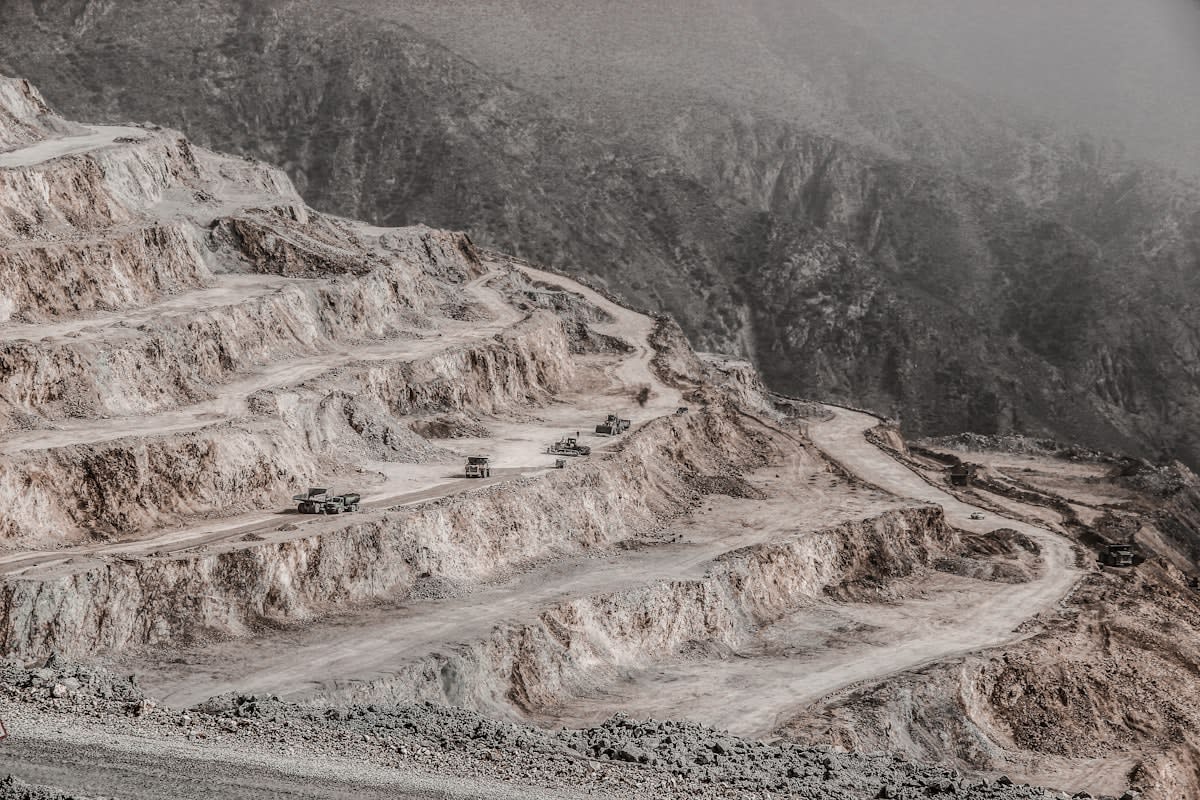
The discovery of the Filo del Sol copper deposit in northwest Argentina has sent a shockwave through the commodities market this month. Geologists indicate the area likely contains five times more metals than previously estimated, potentially positioning it as one of the largest copper, gold, and silver resources on the planet. Yet, this geological windfall arrives at a moment of extreme tension. The high Andes are not merely a treasure chest; they are a logistical nightmare where harsh climates and altitude collide with rigid environmental protections.
Why does a massive discovery feel like a stalemate? Argentina's Glacier Law stands as a formidable barrier, designed to protect the nation's primary freshwater sources from industrial contamination. Environmentalists argue that the water-intensive nature of copper extraction in these sensitive zones could violate these protections. This creates a friction point where the hunger for electrification meets the necessity of water security, making the mere presence of minerals insufficient for market delivery.
While Argentina finds more metal, Chile is running out of time. Codelco, the state-owned copper giant, recently admitted that first production at the Maricunga lithium project will not happen until 2034. This represents a four-year slip from the previous government's 2030 target. When a state-led strategy designed to reduce dependence on established producers misses its mark by nearly half a decade, the resulting supply gap becomes a strategic liability for the entire region.
The Lithium Lag
The Maricunga delay is not just a scheduling error; it is a signal that the traditional extraction model is hitting a ceiling of operational and regulatory complexity.
This delay in primary extraction is forcing a re-evaluation of how Latin America secures its place in the energy transition. If the mine cannot deliver on time, the waste stream must. This is where the urgency for a circular mineral economy becomes an economic imperative rather than an environmental preference. The transition from a linear 'dig-use-discard' model to a circular recovery system is the only way to hedge against the volatility of state-led mining timelines.
The pressure is amplified by the sudden surge in Rare Earth Element (REE) demand. Artificial Intelligence and expanded missile-defense manufacturing under the U.S. Defense Production Act are driving a desperate search for high-performance permanent magnets. Currently, China maintains operational control over 94% of global permanent magnet manufacturing. This near-total monopoly transforms REEs from simple commodities into instruments of geopolitical leverage.
| Metric | Traditional Extraction (Mining) | Circular Recovery (Recycling) |
|---|---|---|
| Lead Time to Production | 10-15 Years (e.g., Maricunga 2034) | 2-5 Years (Infrastructure build) |
| Environmental Risk | High (Glacier Law/Water Usage) | Low (Closed-loop processing) |
| Geopolitical Dependency | High (China processing dominance) | Low (Local waste stream utilization) |
| Resource Reliability | Variable (Discovery based) | Predictable (End-of-life battery flows) |
Mexico is currently caught in the crossfire of this magnet war. As the U.S. seeks to diversify its supply chain away from China, Mexico is attempting to carve out a critical minerals strategy that balances competing pressures. The stakes are high: technical cooling systems for data centers already represent over 20% of total power costs, and the hardware enabling these systems relies heavily on the very magnets China controls.
Brazil is attempting a different approach. The Canadian firm Resouro is seeking $160 million in funding to advance a rare earths project. While this is a step toward primary extraction, the broader regional trend is shifting toward the 'urban mine.' The realization is setting in that digging more holes in the ground is a slow solution to a fast problem.
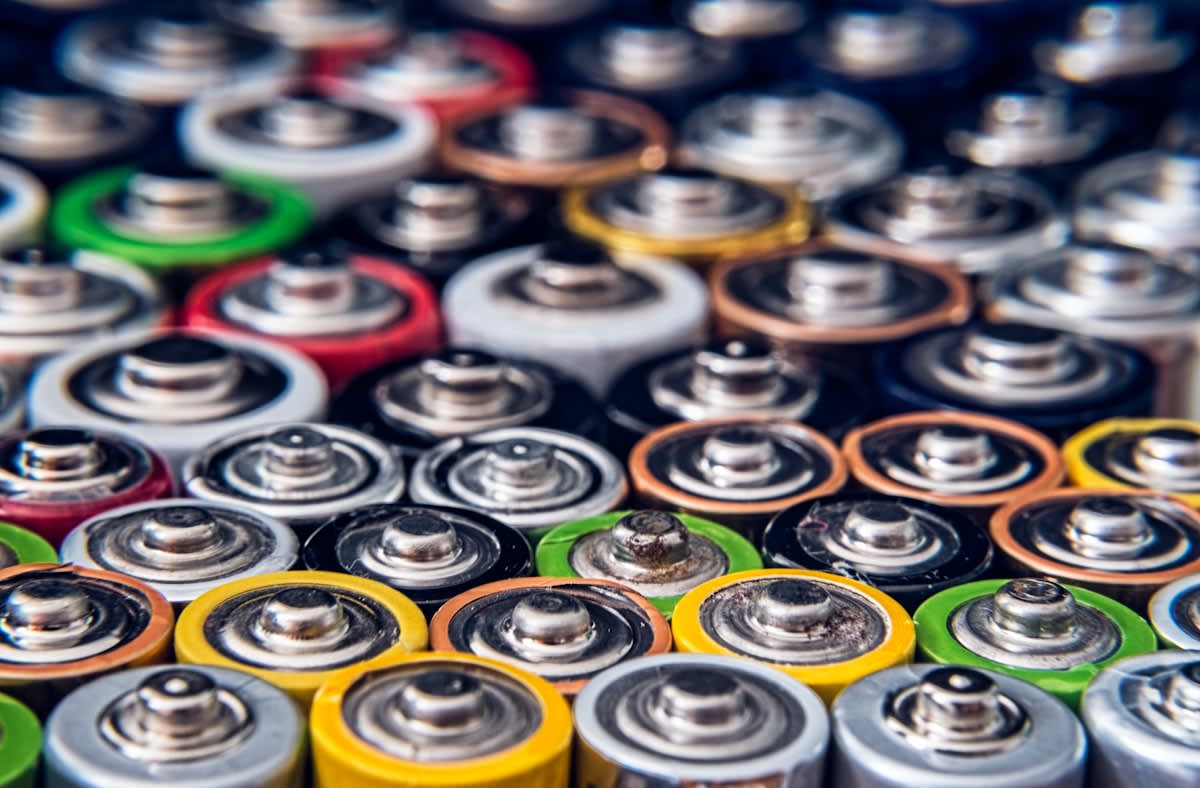
Recent data from Nature highlights the technical hurdles and opportunities in this circular transition. While current recycling processes are largely compatible with today's lithium-ion chemistries, the next generation of batteries—specifically sodium-ion and solid-state systems—will require entirely different process adaptations. The region that masters these adaptations first will control the secondary supply of minerals, effectively bypassing the need for new, contested mines.
"The electrification of the automotive industry is driving a rapid global expansion of battery production, which generates substantial volumes of waste from both manufacturing scrap and end-of-life batteries."— Nature Research
Is it possible to build a circular economy in a region traditionally defined by extraction? The tension is palpable. Companies like Vale and Codelco are facing tests of their operational resilience as they navigate this transition. They are no longer just mining companies; they must become material management companies. The failure to do so means remaining hostage to the 94% monopoly held by China over the processing of the minerals they extract.
The 'Delta' over the last twelve months is stark. A year ago, the narrative was centered on the sheer volume of lithium in the 'Lithium Triangle.' Today, the conversation has shifted to the timeline of delivery and the chemistry of recovery. The shift from 2030 to 2034 for Maricunga is a catalyst that proves the primary extraction model is too brittle to support the immediate demands of the AI and defense sectors.
Global Permanent Magnet Manufacturing Control
Executive Insight
+18.4%
YTD Growth
To survive this transition, Latin American states must optimize the geospatial configuration of their recycling industries. This means placing recovery plants near the end-of-life hubs of electric vehicles rather than just at the mouth of the mine. By doing so, they can create a localized loop that reduces the cost of transport and the risk of geopolitical interception.
The circular mineral economy is not a replacement for mining, but a necessary stabilizer. While the Filo del Sol deposit offers a massive future reserve, the immediate need for REEs and lithium cannot wait for the decades-long cycle of mine development. The integration of automotive battery recycling into the national industrial strategies of Mexico and Brazil is the only logical response to the current supply-chain fragility.
Ultimately, the region's wealth is no longer measured by what is in the ground, but by the efficiency with which it can recover what has already been extracted. The race is no longer about who finds the biggest deposit, but who builds the most efficient loop. In the conflict between the High Andes treasure and the magnet monopoly, the winner will be the one who masters the art of the second life.