Taylor Farms recalls iceberg lettuce in 27 states due to cyclosporiasis outbreak
Source Entity
US Top News and Analysis
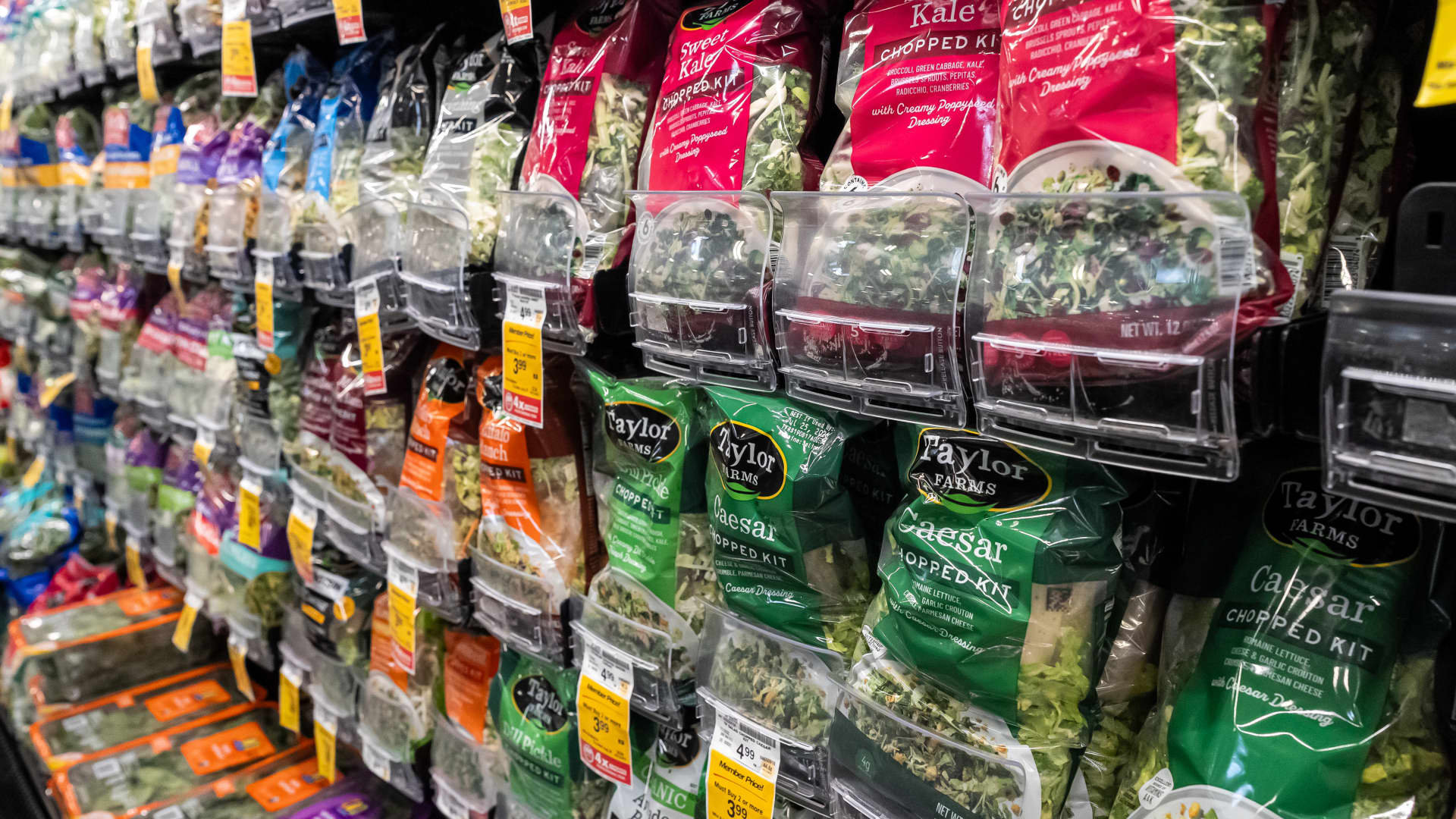
Taylor Farms is recalling iceberg lettuce across 27 states due to potential cyclosporiasis contamination. The outbreak has been linked by the CDC to shredded lettuce served at Taco Bell locations in five states.
Large-Scale Food Safety Crisis: Taylor Farms Iceberg Lettuce Recall
In a significant public health move, Taylor Farms has announced a voluntary recall of its iceberg lettuce across 27 U.S. states. The recall is driven by the potential contamination of the greens with Cyclospora cayetanensis, the parasite responsible for cyclosporiasis. This action highlights the precarious nature of the industrial produce supply chain, where a single source of contamination can rapidly disseminate across a vast geographic area, affecting millions of potential consumers.
The Source and the Outbreak
According to the company's media statement, the recall specifically targets all iceberg lettuce sourced from central Mexico. The scale of the distribution—spanning 27 states—underscores the centralized nature of modern agricultural sourcing. The crisis gained critical visibility through the Centers for Disease Control and Prevention (CDC), which traced a cyclosporiasis outbreak to shredded iceberg lettuce served at Taco Bell locations. The outbreak has already manifested in at least five states, including Indiana, Kentucky, and Michigan, demonstrating how processed, shredded produce can act as a vehicle for parasitic transmission across state lines.
Understanding Cyclosporiasis and Public Health Risks
Cyclosporiasis is a parasitic infection that typically causes gastrointestinal distress. Because the parasite is often introduced through contaminated water used for irrigation or handling in the fields, the source in central Mexico suggests a systemic failure in the water quality or hygiene protocols at the origin. The involvement of the Food and Drug Administration (FDA) is crucial here, as the agency provides the necessary guidelines for identifying infected individuals and managing the removal of tainted products from grocery store shelves and restaurant kitchens to prevent further infections.
Supply Chain Vulnerabilities and Industry Impact
This event illustrates the 'single point of failure' risk inherent in globalized food sourcing. By relying on a specific region in central Mexico for a high-volume product like iceberg lettuce, Taylor Farms inadvertently created a pathway for a localized contamination event to become a national health crisis. For the business, a voluntary recall of this magnitude involves massive logistical hurdles and significant financial losses, not only in discarded inventory but in the potential erosion of consumer trust in pre-bagged and shredded salad mixes.
Broader Implications for the Fast-Food Sector
The link to Taco Bell locations highlights the vulnerability of the Quick Service Restaurant (QSR) industry. Because these establishments rely on pre-processed ingredients from large suppliers like Taylor Farms, they have limited ability to vet the raw produce at the farm level. This incident will likely prompt a re-evaluation of how QSRs manage their vendor risk and may lead to demands for more transparent, real-time tracking of produce from the field to the consumer's plate.
Future Trends in Food Safety and Traceability
Looking forward, this outbreak is likely to accelerate the adoption of advanced traceability technologies. The industry is moving toward blockchain and AI-driven monitoring to pinpoint the exact farm or plot of land where contamination occurs, rather than recalling an entire region's output. By implementing more rigorous testing for Cyclospora at the source in Mexico and utilizing digital ledgers, suppliers can reduce the scope of recalls from 27 states down to a few specific batches, thereby protecting both public health and corporate stability.
Summary
Taylor Farms' decision to remove all central Mexico-sourced iceberg lettuce from the U.S. market is a necessary response to a dangerous cyclosporiasis outbreak. With the CDC and FDA monitoring the situation and Taco Bell locations identified as a primary point of exposure, the event serves as a stark reminder of the need for stringent oversight in international agricultural supply chains.