Tamil Nadu Governor appeals for public participation in self-enumeration for Census
Source Entity
India Latest News: Top National Headlines Today & Breaking News | The Hindu
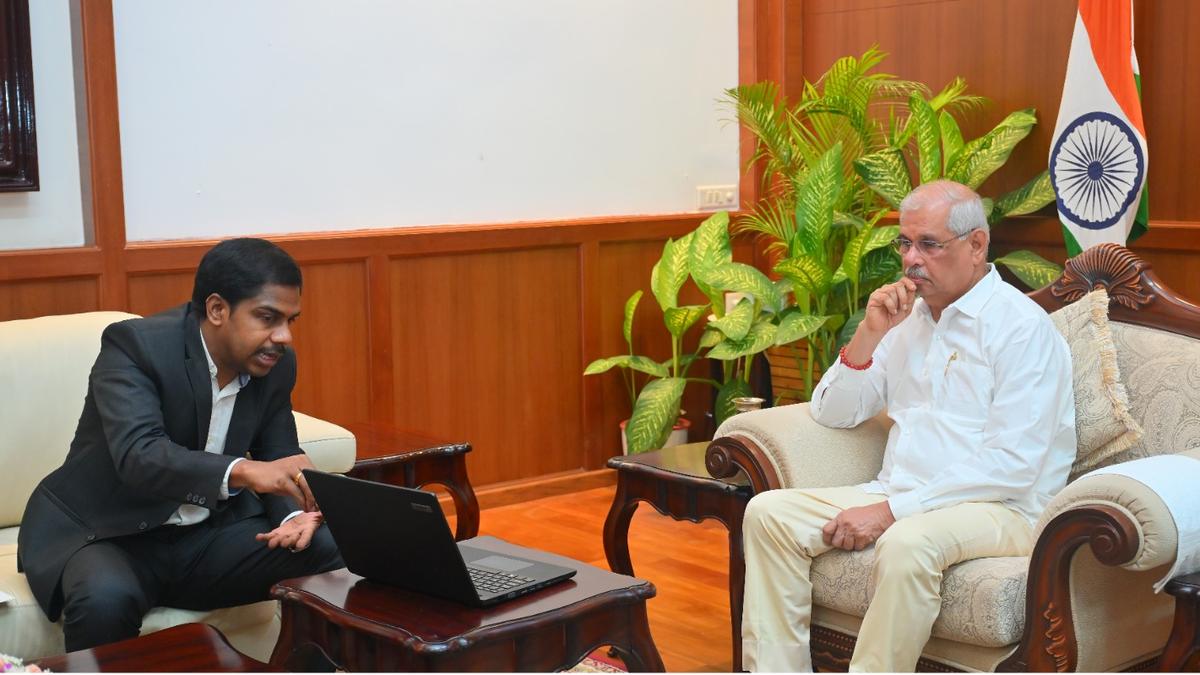
Tamil Nadu has launched the Census 2027 process, introducing a historic digital self-enumeration phase for the first time. This two-stage operation aims to gather critical data to shape future infrastructure, welfare schemes, and political representation.
Tamil Nadu Census 2027: A Digital Leap in Demographic Data Collection
Tamil Nadu has officially commenced its 2027 Census, marking a pivotal moment in the state's administrative history as it conducts its first comprehensive population count in 15 years. The process began on July 17, 2026, signaled by a high-level appeal from Governor Rajendra Vishwanath Arlekar. This census is not merely a routine bureaucratic exercise but a critical update to the state's demographic profile, which has evolved significantly over the last decade and a half. The urgency of this count is underscored by the need for updated data to drive governance and resource allocation in one of India's most industrialized states.
The Innovation of Self-Enumeration
For the first time in the history of the Indian Census, the government has introduced a digital self-enumeration facility. This first phase, running from July 17, 2026, to July 31, 2026, allows citizens to register their details via a secure online portal and mobile application. This shift toward digitalization represents a significant modernization of the census process, reducing the reliance on physical door-to-door visits for the initial data collection. By empowering households to furnish their own information, the government aims to increase efficiency and potentially improve the accuracy of the data gathered.
Operational Timeline and Logistics
Following the self-enumeration window, the census will move into its second phase: the House Listing Operations. Scheduled from August 1, 2026, to August 30, 2026, this phase involves traditional enumerator visits to ensure no household is left behind. M. Sundaresh Babu, the Director of Census Operations for Tamil Nadu and Puducherry, has emphasized the importance of this dual-layered approach. The process is designed to be inclusive, with specific protocols in place for residents who are unavailable during enumerator visits, ensuring that the final headcount is as comprehensive as possible.
Addressing Data Privacy and Security
With the introduction of a digital platform, concerns regarding data privacy and the security of personal information have moved to the forefront. In discussions led by The Hindu's Dennis Jesudasan, officials have highlighted the existence of robust data privacy safeguards integrated into the digital census platform. The use of a secure portal is intended to maintain the confidentiality of citizen data while facilitating the seamless transfer of information to the central census database. Ensuring public trust in these security measures is essential for maximizing participation in the self-enumeration phase.
The Strategic Importance of the Headcount
Beyond the raw numbers, Census 2027 serves as the foundational blueprint for state development. The data collected will directly influence the planning of essential public infrastructure, including the placement of new hospitals, schools, roads, and public transport networks. Furthermore, the census is instrumental in shaping welfare schemes, ensuring that social safety nets reach the most vulnerable populations based on current demographic realities. Perhaps most critically, the headcount plays a vital role in determining political representation, as population data often informs the delimitation of constituencies.
Conclusion: A Call for Civic Cooperation
The success of Census 2027 hinges on the active cooperation of the public. Governor Arlekar's appeal for complete and accurate information reflects the high stakes associated with this count. As Tamil Nadu navigates this transition to a digital-first census, the synergy between technological innovation and traditional fieldwork will be key. If executed successfully, this census will provide the government with the empirical evidence needed to navigate the socio-economic challenges of the coming decade and ensure equitable growth across the state.
Multiple Citing Sources
Verification Required?