15-hour study routine helps Chandigarh student secure AIR 63 in NEET-UG 2026
Source Entity
Hina Rohtaki
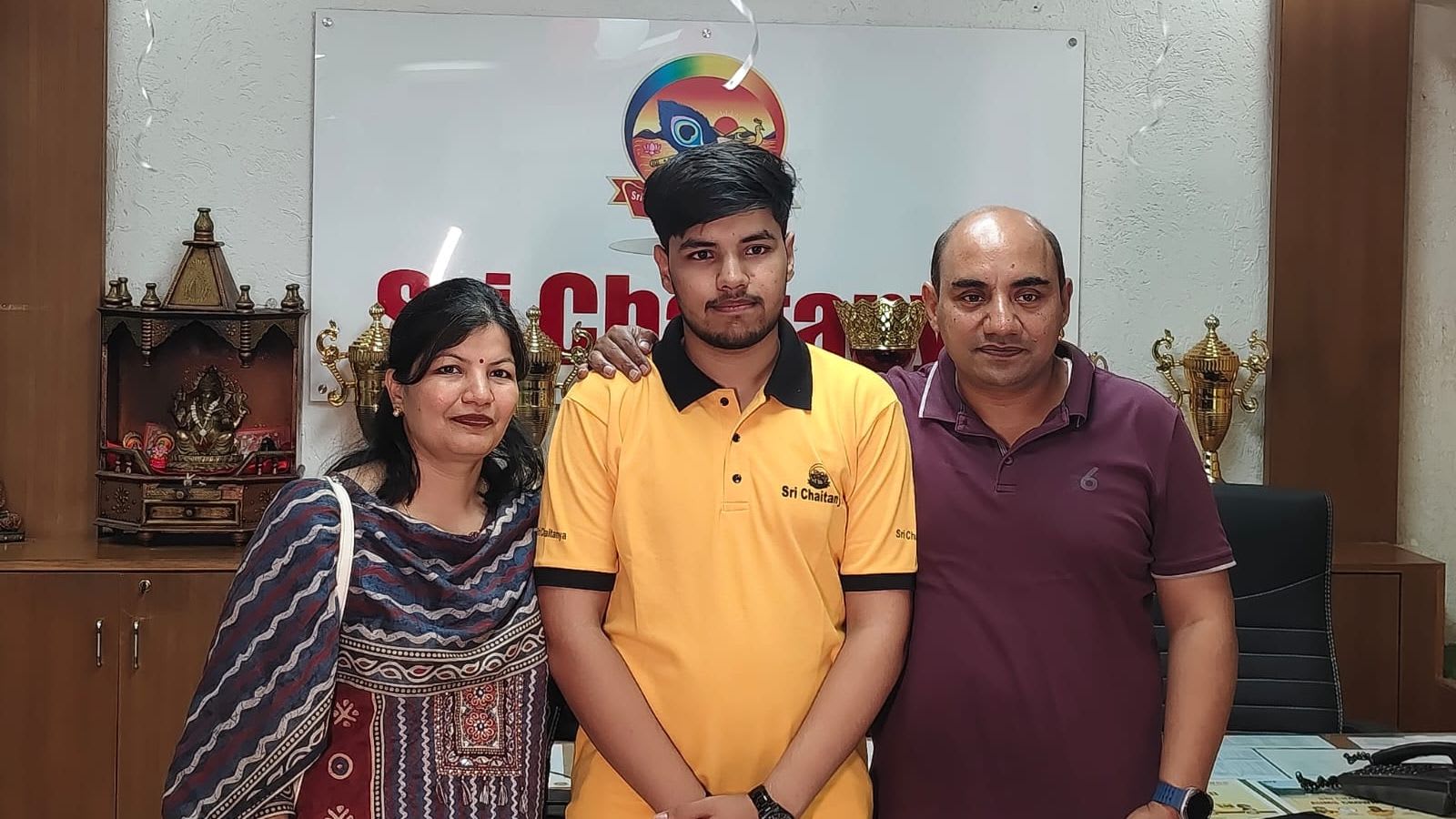
Aryan Gupta of Ludhiana secured AIR 1 in NEET-UG 2026 with 715 marks, overcoming the mental strain of a cancelled first attempt through anime and mentorship. Simultaneously, Prakul Garg achieved AIR 63 using a disciplined 15-hour daily study routine and a phased subject strategy.
Resilience and Strategy: Analyzing the NEET-UG 2026 Success Stories
The announcement of the NEET-UG 2026 results has brought to light not only the academic brilliance of India's top medical aspirants but also the immense psychological resilience required to navigate a volatile examination cycle. The journey of Aryan Gupta from Ludhiana, who secured a shared All India Rank (AIR) 1 with 715 out of 720 marks, serves as a primary case study in overcoming systemic setbacks. His achievement is particularly notable given the administrative turbulence surrounding the 2026 cycle, where allegations of paper leaks led to the cancellation of the original May 3 examination.
Overcoming Systemic Setbacks and Mental Hurdles
One of the most critical aspects of Aryan Gupta's journey was the transition from the cancelled May 3 exam to the June 21 re-test. Having already scored a formidable 696 marks in the first attempt, the sudden cancellation created a significant psychological barrier. Gupta openly admitted that returning to his books was a struggle, highlighting a common issue among high-stakes test-takers: the "burnout" associated with repetitive preparation. His experience of battling depression during this period underscores the mental health challenges inherent in India's competitive education landscape, where the pressure to perform is often compounded by external administrative failures.
The Role of Holistic Coping Mechanisms
In a departure from the traditional narrative of absolute isolation during study, Gupta's success was bolstered by a balanced approach to mental well-being. He utilized Japanese anime, music, and table tennis as essential tools to reset his mind during intense study intervals. This integration of hobbies into a rigorous academic schedule suggests a shift toward a more holistic approach to learning, where scheduled "unwinding" prevents total cognitive exhaustion. By treating the re-test as a "second chance" rather than a burden, Gupta was able to improve his score from 696 to 715, demonstrating the power of a positive psychological pivot.
Comparative Study Strategies: Discipline vs. Mentorship
While Gupta's path was defined by resilience and mental recovery, Prakul Garg's achievement of AIR 63 offers a different perspective on academic discipline. Garg, a resident of Mohali and student of Sri Chaitanya Techno School, employed a high-intensity routine, often extending his study hours to 15-16 per day. His strategy was characterized by a phased approach: prioritizing Physics and Chemistry in the early stages and dedicating the final three months almost exclusively to Biology. This contrast between Gupta's balanced reset and Garg's disciplined, subject-specific saturation illustrates that there is no single blueprint for success in NEET-UG.
The Influence of Mentorship and Support Systems
Beyond individual effort, the role of a support system proved pivotal for the top rankers. For Aryan Gupta, the presence of his elder brother, Aditya—who had previously secured AIR 54—provided a roadmap for success. This familial mentorship, combined with an absolute trust in his teachers, allowed Gupta to refine his approach and exceed the benchmarks set by previous national toppers. The synergy between professional coaching and personal mentorship creates a safety net that allows students to manage the stress of competitive exams more effectively.
Conclusion: Future Implications for Competitive Exams
The 2026 NEET-UG cycle highlights a growing need for stability in national examination processes to protect student mental health. The success of students like Aryan Gupta and Prakul Garg proves that while rigorous study is non-negotiable, the ability to manage stress and adapt to unforeseen circumstances is equally vital. Moving forward, the trend suggests that students who balance extreme discipline with mindful recovery and strong mentorship are more likely to excel under the pressures of India's most challenging medical entrance exams.
Multiple Citing Sources