‘Don’t understand…problem with superstars’: Ramesh on Rohit Sharma situation
Source Entity
The Indian Express
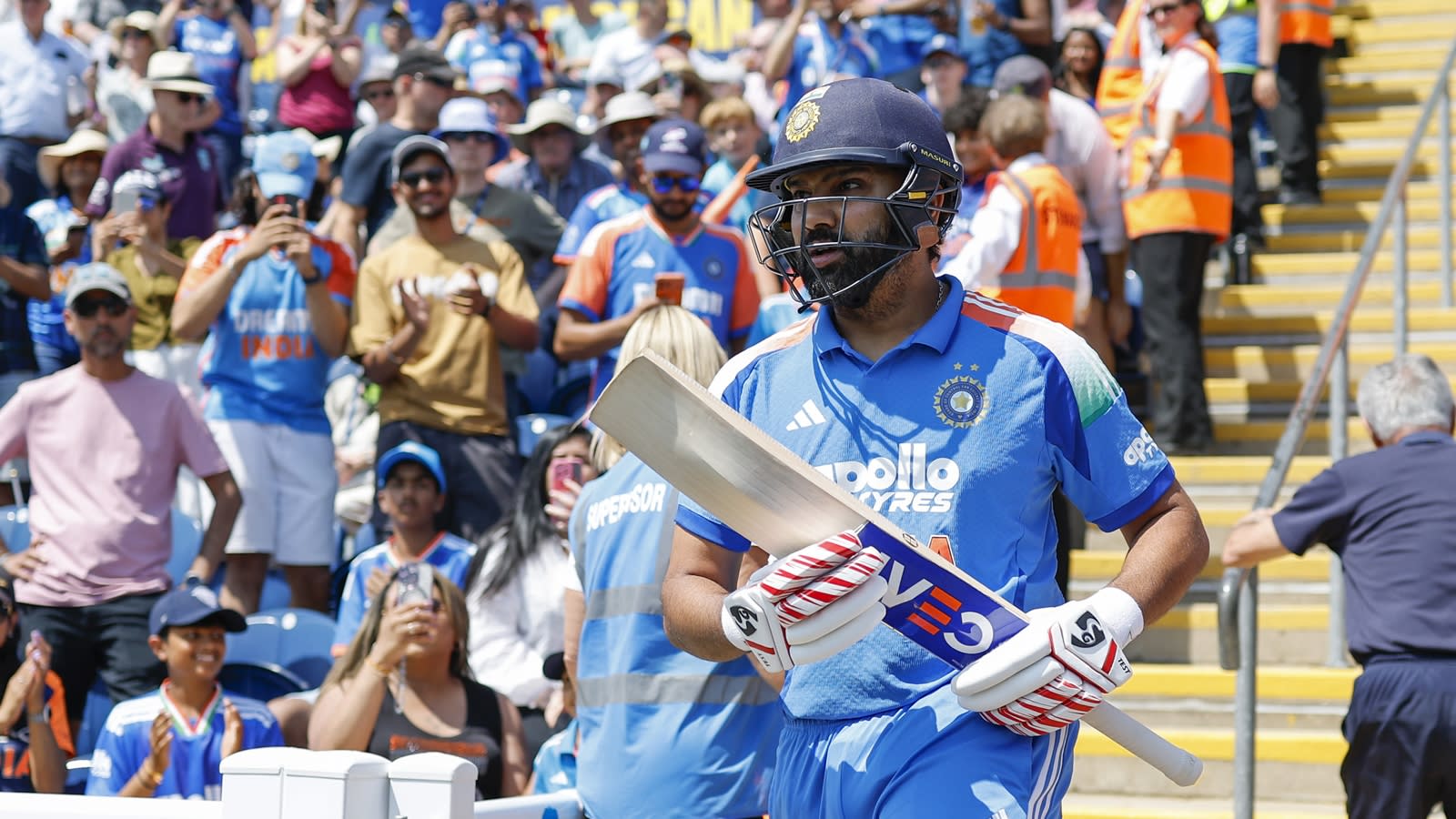
India's team management, led by Gautam Gambhir and Ajit Agarkar, is reportedly moving beyond Rohit Sharma for the upcoming 50-over World Cup while viewing Virat Kohli as an automatic selection. This shift toward youth, including Shubman Gill's appointment as captain, has drawn criticism from former cricketers regarding the psychological pressure placed on veteran players.
The End of an Era: Analyzing the Divergence of the 'RoKo' Partnership
For years, Rohit Sharma and Virat Kohli have been the twin pillars of Indian batting, often referred to by fans as 'RoKo.' However, recent developments within the BCCI selection committee and team management suggest a stark divergence in their futures. While Virat Kohli remains an "automatic pick" for the upcoming 50-over World Cup, Rohit Sharma's tenure in the ODI format appears to be nearing its conclusion. This strategic split marks a significant shift in India's approach to squad building, moving away from a reliance on established legends toward a more transitional phase.
Strategic Pivot Toward Youth and Performance
The current management, headed by coach Gautam Gambhir and chief selector Ajit Agarkar, has established a reputation for making "harsh but strong calls" to maintain the national side's competitiveness. The impetus for moving beyond Rohit Sharma is twofold: current form and long-term planning. Rohit's recent struggles in the ongoing England series, characterized by low scores of 11 and 26, have provided the catalyst for this decision. By prioritizing younger talents like Yashasvi Jaiswal, the management aims to provide an extended run for the next generation of openers well before the World Cup deadline.
The Leadership Transition and Captaincy Shift
A critical component of this transition occurred last year when the selection committee removed Rohit Sharma as the ODI captain, replacing him with Shubman Gill. This move was not merely a change in leadership but a clear signal of the panel's intent to pivot toward a youth-centric core. By installing Gill, the BCCI is attempting to build a leadership structure that will sustain the team beyond the current cycle. This systemic shift suggests that the management is no longer prioritizing veteran experience over potential and agility in the 50-over format.
Psychological Toll and Expert Critique
This ruthless approach to selection has not been without controversy. Former Indian cricketer Sadagoppan Ramesh has publicly criticized the management, arguing that the treatment of a superstar like Rohit Sharma is counterproductive. Ramesh posits that no player can perform optimally when there is a "sword hanging over their heads on a per-match basis." This highlights a recurring tension in Indian cricket: the balance between maintaining the dignity of legendary players and the clinical pursuit of performance. The critique suggests that the pressure of constant evaluation may actually be hindering the performance of the very players the selectors are judging.
Historical Echoes: The Laxman Precedent
The current uncertainty surrounding Rohit Sharma's future draws striking parallels to the 2012 episode involving VVS Laxman and then-selector Krishnasamy Srikkanth. In that instance, Laxman chose to retire on his own terms to avoid having the selectors dictate the end of his career—a move described as an act of defiance. The comparison suggests a historical pattern within the BCCI where the transition of legendary players is often fraught with tension and difficult conversations, rather than seamless handovers.
Conclusion: Implications for the World Cup
As India approaches the 50-over World Cup, the decision to separate the fates of Kohli and Sharma reflects a high-stakes gamble by Gambhir and Agarkar. By securing Kohli as a cornerstone while phasing out Rohit, the team is attempting to blend proven world-class excellence with youthful energy. Whether this "harsh" selection philosophy will result in a more balanced and hungry squad, or whether the loss of Rohit's experience will leave a void, remains the central question for Indian cricket in the coming year.
Multiple Citing Sources