How to get rid of musty smells from furniture during the rainy season
Source Entity
The Indian Express
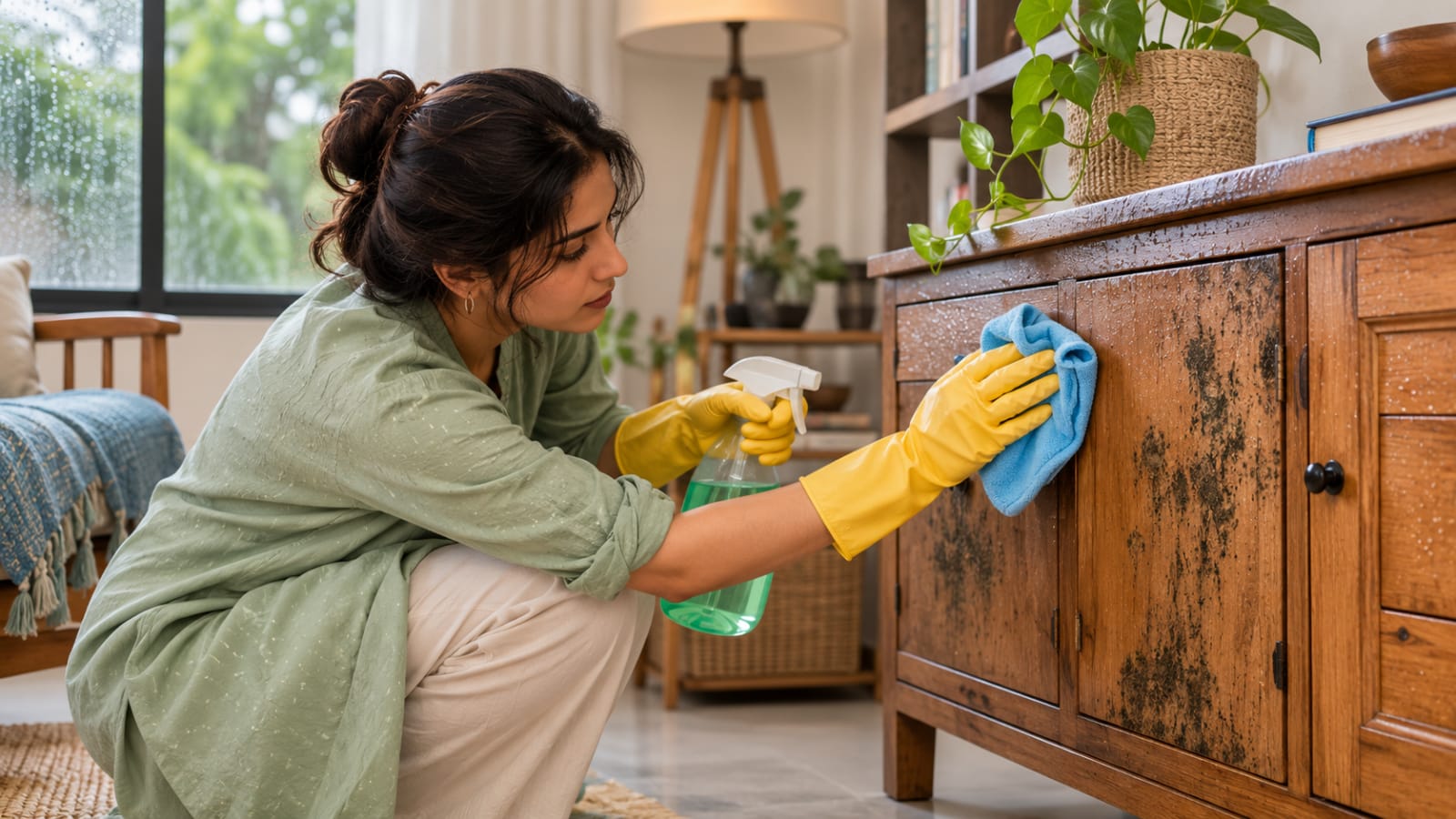
Monsoon humidity often causes musty odors and mold growth on indoor furniture. Experts recommend gentle moisture removal and avoiding harsh chemicals to prevent long-term damage.
Managing Monsoon-Related Furniture Damage
The onset of the rainy season brings a significant increase in atmospheric humidity, which frequently leads to the emergence of musty odors and visible mold on household furniture. Items such as wooden tables, wardrobes, and upholstered sofas are particularly susceptible to these conditions, as they absorb excess moisture from the air, creating an environment conducive to fungal growth.
The Science of Humidity and Decay
High humidity levels during the monsoon act as a catalyst for organic degradation in furniture materials. Wood, being a porous material, expands and contracts as it absorbs moisture, which can compromise its structural integrity over time. When moisture remains trapped within fibers or upholstery padding, it facilitates the growth of mold spores, which are not only damaging to the furniture's aesthetic and material value but can also impact indoor air quality.
Expert Recommendations for Maintenance
According to Swarup Myalil, Senior Director of Design at Furlenco, the primary strategy for combating these issues is a gentle approach to moisture removal. Harsh cleaning agents or overly aggressive scrubbing can strip finishes or damage delicate fabrics. Instead, homeowners are encouraged to prioritize drying techniques that safely extract moisture without altering the chemical composition of the furniture surfaces.
Prevention and Professional Intervention
While routine maintenance can mitigate minor issues, it is essential to recognize the limitations of DIY cleaning. If mold growth is extensive or deeply embedded in the structure of the furniture, professional intervention is necessary. Experts possess the specialized tools and industrial-grade cleaning agents required to remediate deep-seated mold without causing further destruction to the item.
Long-Term Preservation Trends
As climate patterns shift and humidity levels fluctuate, the focus on preventative furniture care is becoming increasingly relevant. Proactive measures, such as maintaining proper ventilation in storage areas and monitoring the moisture content in indoor spaces, are becoming standard practices for preserving high-value wooden and upholstered assets throughout the year.
Conclusion
In summary, while monsoon-induced furniture damage is a common frustration, it is manageable with the right expertise. By avoiding harsh chemicals and employing gentle moisture-extraction methods, homeowners can extend the lifespan of their furniture. When in doubt, seeking professional advice remains the most effective way to address severe mold or damage and ensure a healthy living environment.