Collagen and biotin supplements: Nutritionist explains what actually works for skin and hair
Source Entity
Latest News: Today's Latest News Headlines from India & World | Hindustan Times | Hindustan Times
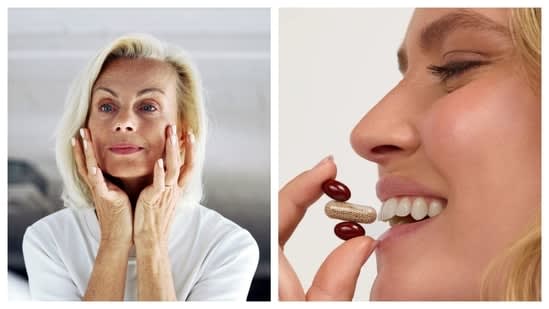
While collagen and biotin supplements are popular wellness trends, their efficacy is highly dependent on individual health status and baseline deficiencies. Experts emphasize that a balanced diet and lifestyle remain the primary drivers of skin and hair health.
The Reality of Beauty Supplements: Separating Science from Marketing
In the modern wellness market, consumers are increasingly bombarded with advertisements for supplements promising miraculous improvements in skin radiance and hair density. Among these, biotin and collagen have emerged as industry leaders. However, nutritionists urge a more cautious, evidence-based approach to these products, noting that the biological impact of supplementation is often far more nuanced than marketing claims suggest.
The Biotin Paradox: Deficiency vs. Excess
Biotin, a B-vitamin, is widely marketed as a miracle cure for hair thinning. While it is scientifically proven that biotin plays a role in the health of hair, skin, and nails, the clinical necessity for supplementation is restricted to those with a documented deficiency. Because true biotin deficiency is relatively rare in the general population, the common practice of megadosing is largely ineffective for individuals who already maintain adequate nutrient levels. Extra biotin intake does not equate to accelerated hair growth.
Collagen Peptides and Skin Hydration
Collagen supplements, particularly hydrolysed collagen peptides, have gained significant traction due to studies indicating potential benefits for skin elasticity and hydration. When taken consistently over several weeks, these peptides may contribute to a visible improvement in skin texture. However, it is critical to recognize that collagen is not a 'magic solution.' The body breaks down ingested proteins into amino acids, and the effectiveness of collagen supplementation is mediated by the individual’s overall nutritional status, age, and systemic health.
The Foundation of Holistic Health
Beyond individual bottles and powders, the most effective approach to aesthetic health remains rooted in fundamental lifestyle choices. A balanced diet—rich in whole foods—provides the necessary precursors for the body to synthesize its own structural proteins. Factors such as hydration, sleep quality, and stress management play a more deterministic role in skin vitality than any singular supplement. Relying solely on pills while ignoring these foundational pillars often leads to diminishing returns.
Future Trends in Nutritional Science
As the supplement industry continues to grow, there is a clear shift toward personalized nutrition. Future trends suggest that consumers will move away from 'one-size-fits-all' beauty supplements and toward targeted interventions based on actual biochemical needs. Understanding that supplements are intended to fill nutritional gaps rather than serve as shortcuts is essential for long-term health. Ultimately, the integration of scientific scrutiny into personal wellness routines will define the next generation of healthy aging.
Conclusion: A Balanced Perspective
While biotin and collagen have their place in a wellness regimen, they should be viewed as supplementary rather than foundational. By prioritizing a nutrient-dense diet and healthy lifestyle habits, individuals can achieve sustainable results. Consumers should remain skeptical of hyperbolic marketing and focus on the holistic factors that truly influence skin and hair health.
Verification Required?