Troubling new details emerge on diabetes ouster controversy
Source Entity
Jennifer Ouellette
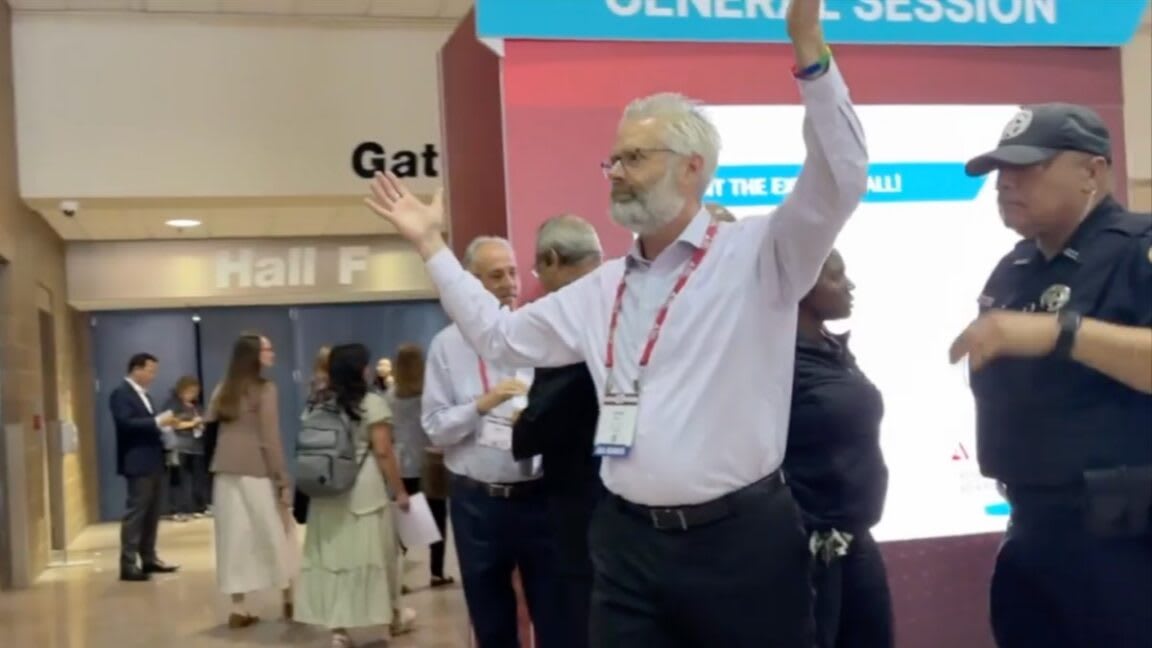
The American Diabetes Association is facing backlash for allegedly suppressing editorial content critical of political interference in scientific research. Deputy editors have bypassed the organization by publishing these suppressed articles on a preprint server.
The ADA Editorial Controversy: A Clash Between Science and Policy
Recent reports indicate that the American Diabetes Association (ADA) is embroiled in an ongoing controversy regarding the suppression of editorial content. Following an incident at the ADA's annual meeting in New Orleans, where five scientists were removed for distributing articles critical of the Trump administration's stance on scientific research, it appears the organization remains under scrutiny. The latest development involves the deputy editors of the journal Diabetes Care, who have resorted to publishing a collection of suppressed opinion pieces on a preprint server after the ADA allegedly blocked their formal publication.
The Anatomy of the Suppression
The core of the issue lies in the tension between professional medical organizations and the political environment. The original editorial, which sparked the initial June 5 ouster of scientists, was published in Diabetes Care in April. By attempting to prevent the subsequent publication of seven additional opinion articles linked to this critique, the ADA has inadvertently amplified the narrative that it is prioritizing political neutrality or institutional preservation over the academic freedom of its contributors. This move has shifted the focus from the scientific discourse on diabetes to the governance and editorial integrity of the ADA itself.
Historical Context of Medical Advocacy
Historically, medical and scientific associations have served as critical bastions of evidence-based policy. When an organization like the ADA—a leader in diabetes research and advocacy—is perceived as stifling dissent, it threatens the trust of the scientific community. The decision by the deputy editors to utilize a preprint server is a significant act of defiance, signaling a shift toward open-access models that bypass traditional gatekeeping. This mirrors broader trends in academia where researchers are increasingly seeking autonomy from institutional oversight that may be influenced by external pressures.
Broader Implications for Scientific Research
The implications of this incident extend beyond diabetes research. It highlights a growing fragility in the relationship between scientific institutions and the political apparatus. When researchers feel that their critiques of government policy are subject to censorship, it creates a chilling effect on academic inquiry. This controversy serves as a case study for how professional bodies must balance their administrative responsibilities with their mandate to champion scientific truth, regardless of the political climate.
Future Trends and Potential Fallout
As the ADA continues to manage the fallout from these events, the organization faces a pivotal moment. The apology previously issued by the CEO appears to have been insufficient to quell internal dissent. Future trends suggest that the ADA may need to overhaul its editorial policies to ensure greater transparency and protection for its contributors. Failure to address these concerns risks alienating the leading scientific minds who drive the organization's mission, potentially leading to a broader fragmentation of the diabetes research community.
Concluding Observations
In summary, the ADA's attempt to block these op-eds has backfired, resulting in the very public dissemination they likely sought to avoid. The move to a preprint server ensures that the critical perspectives of these scientists are now part of the permanent record, further complicating the ADA's position. This situation serves as a stark reminder that in the digital age, attempts to suppress academic discourse are increasingly ineffective and often serve to highlight the very issues that institutions hope to keep hidden.