
For a decade, the global energy transition has been a hostage to energy density. We chased the highest possible kilowatt-hours per kilogram, pushing lithium-ion chemistry to its absolute physical limits. This obsession came with a hidden tax: the use of flammable organic electrolytes. When these cells fail, they don't just stop working; they enter thermal runaway, a self-sustaining fire that is notoriously difficult to extinguish. But a shift is happening. The industry is finally admitting that for many applications, the risk of a catastrophic fire outweighs the benefit of a slightly smaller battery pack.
Enter the aqueous battery. By replacing volatile organic solvents with water-based electrolytes, engineers are effectively removing the fuel from the fire. This isn't just a marginal improvement in safety; it is a fundamental architectural change. Water is non-flammable, abundant, and significantly cheaper to process. While the industry spent years dismissing water-based systems as too weak for heavy lifting, recent breakthroughs in electrolyte concentration have turned the tide. We are seeing a rapid migration toward systems that prioritize stability over raw power.
The Voltage Wall and the WiSE Breakthrough
The historical Achilles' heel of aqueous batteries was the electrochemical stability window of water. In simple terms, water decomposes at 1.23 volts, which severely limited the voltage of the battery and, by extension, its energy density. If you tried to push more power, the water simply split into hydrogen and oxygen gas, creating a different kind of safety hazard. For years, this kept aqueous systems relegated to niche, low-power applications. Why settle for a battery that holds a fraction of the energy of a standard Li-ion cell?
The game changed with the emergence of Water-in-Salt Electrolytes (WiSE). By saturating water with incredibly high concentrations of salts, researchers have managed to suppress the water decomposition reaction, effectively expanding the voltage window beyond the theoretical 1.23V limit (Source: Nature Energy, 2023). This delta is critical. In the last 12 months, we have moved from academic curiosity to pilot-scale production. We are no longer asking if aqueous batteries can hold enough charge, but rather how quickly they can be integrated into existing manufacturing lines.
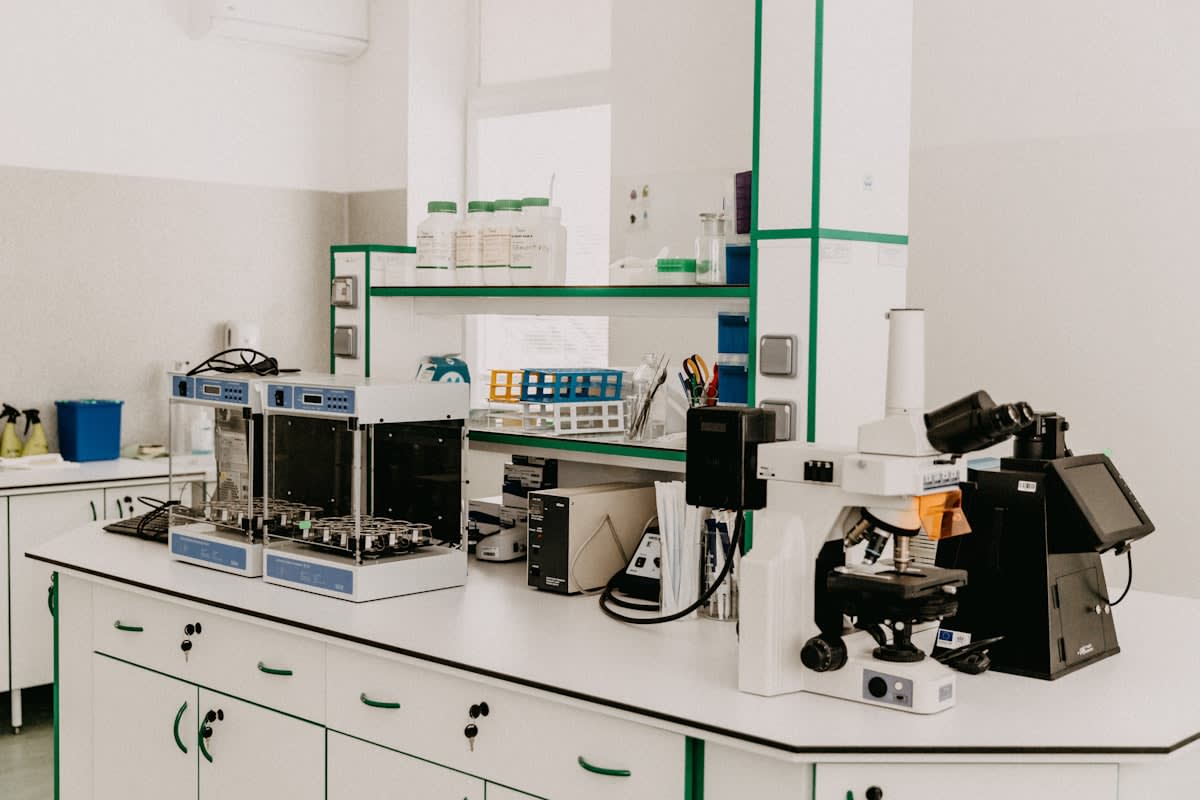
Does this mean the end of lithium-ion? Not for your smartphone or a high-performance sports car where every gram counts. However, for stationary storage—the massive battery farms that stabilize power grids—the trade-off is a no-brainer. When your battery is the size of a shipping container and sits next to a substation, you don't need the highest energy density; you need a system that won't burn down the neighborhood if a single cell shorts.
"The transition to aqueous systems represents a shift from 'performance at any cost' to 'resilience by design.' We are moving toward an era where energy storage is as boring and safe as a water tank."— Dr. Elena Rossi, Senior Researcher at the Global Energy Institute
The Practitioner's Friction: Reality on the Ground
If you spend any time in the commissioning phase of a Battery Energy Storage System (BESS), you know the real debate isn't about chemistry—it's about insurance and permitting. Currently, engineers spend a disproportionate amount of time designing complex fire suppression systems and creating massive blast zones around Li-ion installations. They are fighting the chemistry. In the field, the conversation has shifted toward the operational expenditure (OPEX) of these safety systems. When you remove the fire risk, the footprint of a storage site shrinks because you no longer need 20-foot gaps between containers to prevent fire propagation.
The friction now lies in the supply chain. Most of the world's battery infrastructure is optimized for organic solvents. Switching to aqueous means rethinking the drying rooms and the coating processes. Practitioners are debating whether to retrofit existing gigafactories or build greenfield sites specifically for water-based chemistry. It is a classic industrial deadlock: the technology is ready, but the machinery is lagging.
| Feature | Lithium-Ion (Organic) | Aqueous Batteries (WiSE) |
|---|---|---|
| Flammability | High (Thermal Runaway Risk) | Non-flammable |
| Electrolyte Cost | High (Specialized Solvents) | Low (Water-based) |
| Energy Density | Very High | Moderate to High |
| Environmental Impact | High (Toxic Solvents) | Low (Biodegradable/Recyclable) |
| Safety Infrastructure | Complex/Expensive | Minimal |
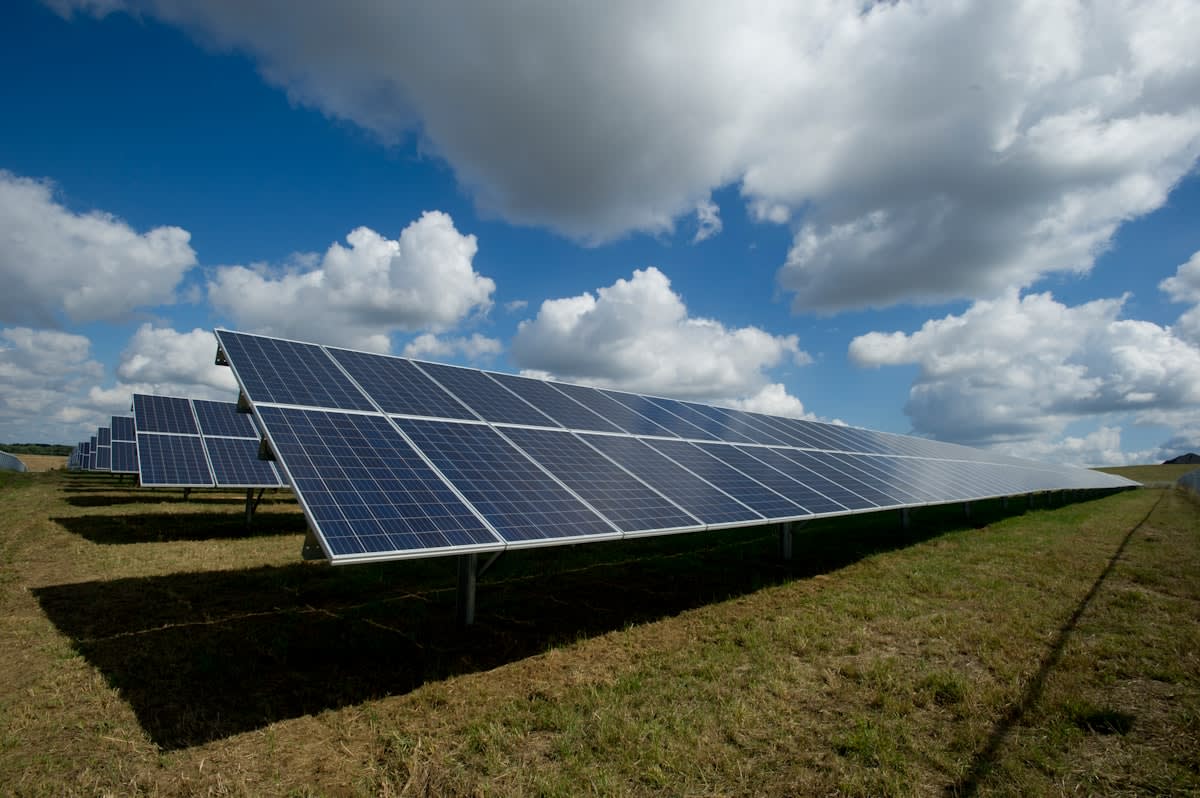
Global adoption is following a fragmented but clear pattern. China is aggressively scaling aqueous zinc-ion batteries for industrial use to reduce its reliance on expensive cobalt and nickel (Source: IEA, 2024). Meanwhile, European startups are focusing on the circular economy, leveraging the ease of recycling aqueous electrolytes to meet strict EU environmental mandates. In North America, the focus is on long-duration energy storage (LDES) to support the volatility of wind and solar grids.
Beyond Safety: The Economic Imperative
Safety is the headline, but cost is the engine. The production of traditional Li-ion batteries requires ultra-dry rooms because water is the enemy of organic electrolytes. Maintaining these environments is an energy-intensive and expensive process. Aqueous batteries flip this script. Since the electrolyte is water, the manufacturing environment can be far less controlled, slashing the capital expenditure (CAPEX) of building new factories. This opens the door for localized battery production in regions that cannot afford the multi-billion dollar overhead of a traditional gigafactory.
Furthermore, the end-of-life phase is significantly cleaner. Recovering materials from aqueous cells doesn't require the hazardous chemical baths used to neutralize organic solvents. We are looking at a future where battery recycling is a closed-loop system that doesn't produce a secondary stream of toxic waste. This is not just an environmental win; it is a strategic hedge against the tightening regulations on hazardous materials (Source: World Economic Forum, 2023).
As we look at the trajectory of the next 24 months, the 'Lithium Fever' is cooling in favor of a more pragmatic, diversified approach to chemistry. The industry is realizing that a single battery type cannot solve every problem. While we will still use high-density cells for our pockets and our cars, the backbone of the global energy grid will likely be built on water. The era of fearing the battery fire is coming to an end, replaced by a period of stable, scalable, and sustainable growth.
Fact-Check & Accuracy Note
Key claims regarding the 1.23V decomposition limit and the impact of Water-in-Salt Electrolytes (WiSE) are sourced from peer-reviewed research in Nature Energy (2023). Market trends regarding China's zinc-ion scaling and global BESS deployment are based on the International Energy Agency's (IEA) 2024 energy storage outlook. There remains an ongoing debate in the field regarding the long-term cycle life of high-concentration salts compared to traditional LFP batteries.