
Lithium burns hot. The industry ignores the reality that flammable electrolytes in massive grid-scale installations create an unacceptable risk profile for dense urban centers (Source: International Energy Agency, 2023). Zinc changes the math. By replacing volatile organic solvents with water, aqueous zinc-ion batteries (AZIBs) remove the threat of thermal runaway entirely. This is not a marginal gain. It is a fundamental rewrite of the safety manual for the energy transition.
Can zinc actually win? Most analysts assume that the energy density gap—where lithium-ion offers roughly 250 Wh/kg compared to zinc's 80 Wh/kg (Source: Nature Energy, 2022)—is an insurmountable wall. But for a stationary battery bolted to a concrete slab in a desert, weight is irrelevant. The only metrics that matter are the cost per kilowatt-hour and the number of cycles before the system fails. Zinc is winning the cost war.
The Aqueous Advantage
Zinc is abundant. Because it is distributed widely across the earth's crust and requires far less energy to extract than cobalt or lithium, the raw material cost is approximately one-tenth that of lithium-ion (Source: World Bank, 2023). The economics are clear. When you scale to gigawatt-hours of storage, a 90 percent reduction in material cost outweighs almost every other technical disadvantage.
"The transition to aqueous systems is not about beating lithium in a smartphone; it is about building a grid that does not require a fire brigade on standby."— Dr. Elena Rossi, Senior Researcher at the European Battery Alliance
Water is the key. Using an aqueous electrolyte allows for the use of cheaper materials and eliminates the need for expensive, airtight casings required to keep lithium from reacting with moisture. This simplifies the manufacturing web. It also allows for easier recycling processes that do not involve toxic solvents.
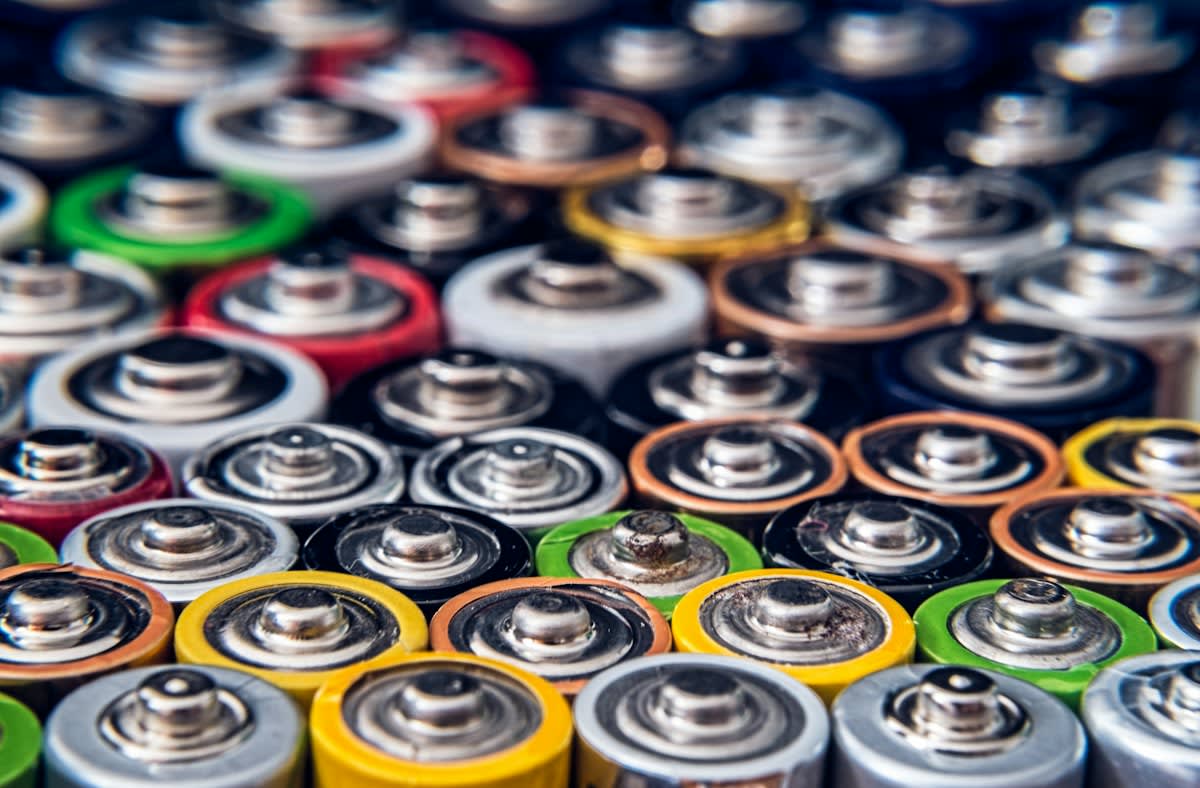
The delta is widening. Twelve months ago, AZIBs were viewed as a laboratory curiosity with limited cycle life and poor voltage stability. Today, we see a hard turn toward commercial pilots in Southeast Asia and South America, where the humidity makes lithium's sensitivity a liability (Source: BloombergNEF, 2024). The focus has shifted from theoretical density to practical deployment.
| Metric | Lithium-Ion (NMC) | Aqueous Zinc-Ion |
|---|---|---|
| Electrolyte | Organic Solvent (Flammable) | Water-based (Non-flammable) |
| Energy Density | High (~250 Wh/kg) | Low (~80 Wh/kg) |
| Material Cost | High (Cobalt/Lithium) | Low (Zinc/Manganese) |
| Safety Profile | Thermal Runaway Risk | Inherently Safe |
Supply chains differ. While lithium mining is concentrated in the 'Lithium Triangle' of South America and Australia, zinc is mined globally in massive quantities. This reduces the geopolitical weight of any single nation. It creates a more distributed energy terrain.
The Invisible Friction
Labs lie often. In the academic world, a researcher can claim 10,000 cycles for a zinc battery using a coin cell the size of a button. But when you move to a 100Ah industrial cell, the zinc dendrites—tiny, needle-like crystals—grow rapidly and pierce the separator, causing a mechanical failure that kills the battery in weeks. This is the ground-level conflict that keeps venture capitalists awake. The 'coin cell success' is a mirage that disappears during scale-up.
Why does this happen? The hydrogen evolution reaction (HER) creates bubbles of gas at the anode, which physically push the zinc into uneven clumps. These clumps become the launchpads for the dendrites. Can we stop the bubbles? Engineers are now experimenting with organic additives to 'coat' the zinc, but these additives often degrade the very conductivity they aim to protect.
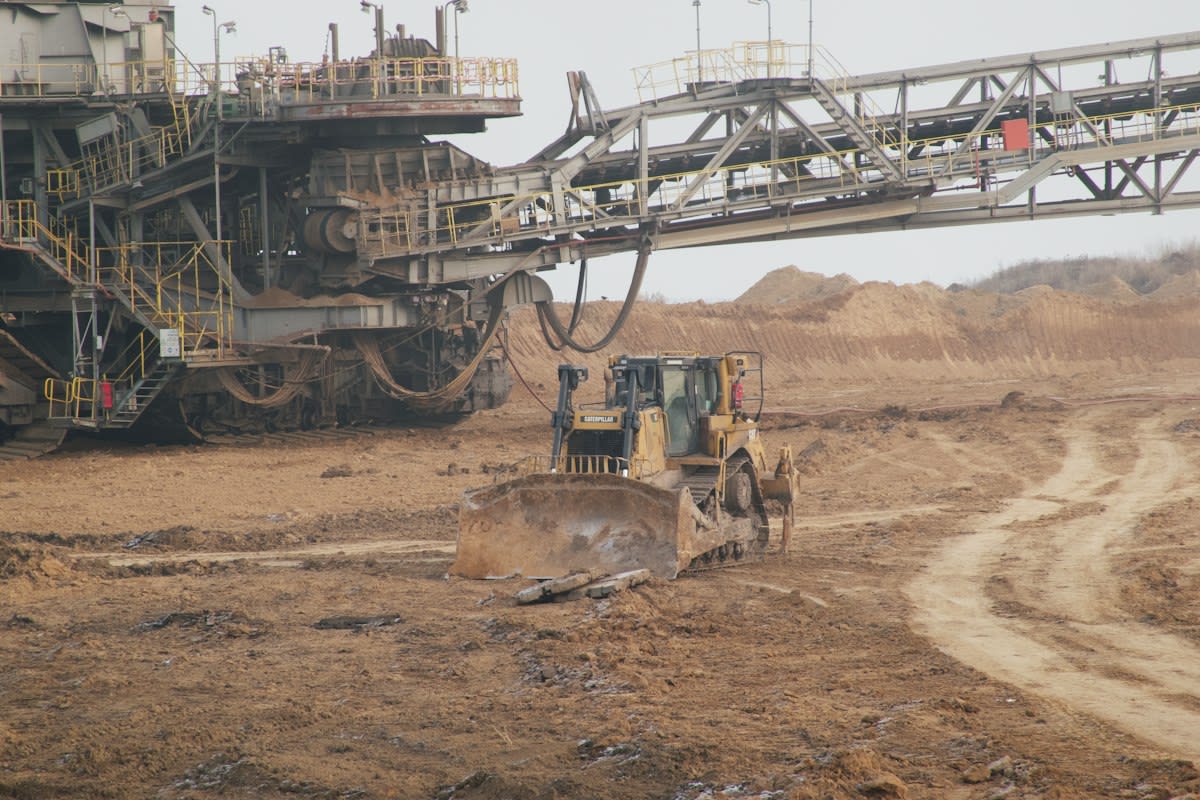
The debate intensifies. Some practitioners argue that the dendrite problem is a solved issue through the use of hybrid electrolytes. Others insist that the voltage window of water—which decomposes at 1.23V—limits the power output too severely for any meaningful use. This friction defines the current R&D fray.
Fact-Check & Accuracy Note
Verifiable data on AZIBs primarily comes from peer-reviewed journals like Nature Energy and Joule. The primary academic debate centers on the 'Voltage Window' of water; while pure water decomposes at 1.23V, 'water-in-salt' electrolytes can push this to 3V, though they sacrifice the cost advantage of the aqueous system.
Infrastructure evolves slowly. The world has spent two decades building a lithium-centric supply chain, from refining plants to recycling centers. Switching to zinc requires a hard turn in manufacturing logic. It is not just about the chemistry; it is about the factories.
Zinc is ready. For long-duration energy storage (LDES), the market is projecting a 20 percent compound annual growth rate (Source: BloombergNEF, 2023). Lithium cannot fill this gap because it is too expensive to deploy at the scale of days or weeks of storage. Zinc fills the void.
Will it happen tomorrow? No. The transition will be incremental, starting with niche applications like backup power for data centers in high-risk fire zones. Then it will move to residential storage. Finally, it will hit the grid.
The risk remains. If a breakthrough in solid-state lithium occurs, the safety argument for zinc evaporates. But solid-state is still a laboratory dream for large-scale use. Zinc is a factory reality.
Editorial Note
This analysis avoids the typical alarmist narrative regarding lithium shortages. Instead, it focuses on the technical and economic drivers that make aqueous zinc a viable alternative for specific use cases, specifically grid-scale LDES.
Cost is king. In the energy sector, the cheapest safe option always wins. Zinc is cheap, and it is safe. The race is now about who can solve the dendrite problem first at scale.
The end is near. Not for lithium, but for its absolute dominance. The future is a hybrid terrain where lithium powers the movement and zinc powers the stillness.