From Karna to Sita: The legends from the Mahabharata and Ramayana associated with Chhath Puja
Source Entity
Latest News: Todays Latest News Headlines from India & World | Hindustan Times
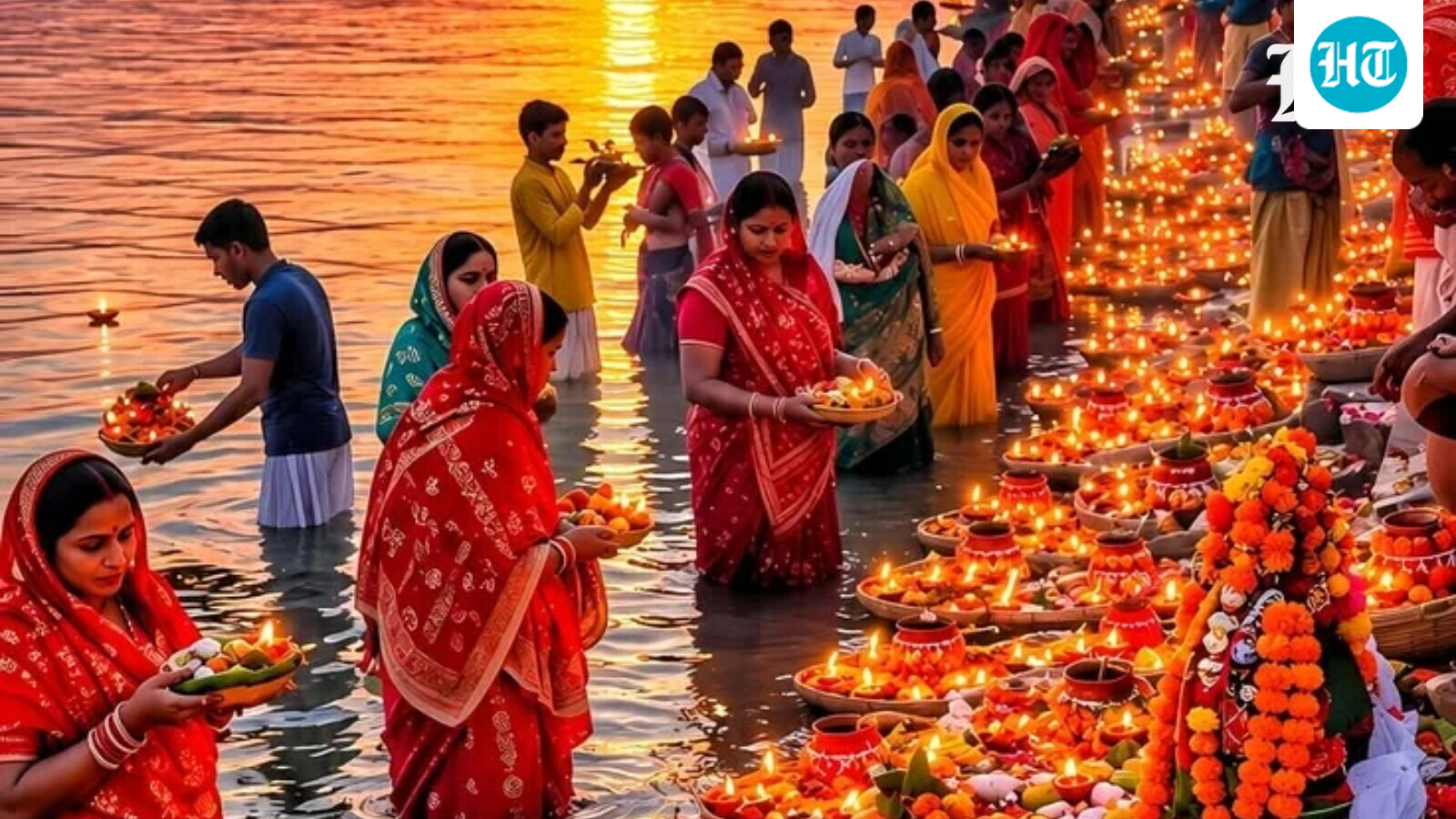
Chhath Puja is a significant four-day festival dedicated to Surya Dev, the Sun God, featuring rituals at water bodies. The festival is deeply rooted in Indian mythology, linking historical figures like Karna, Draupadi, and Sita to the practice of sun worship.
The Divine Significance of Chhath Puja
Chhath Puja stands as a profound cultural and spiritual phenomenon, celebrated annually with immense devotion across various parts of India and the global diaspora. The four-day festival is fundamentally dedicated to the veneration of Surya Dev, the Sun God, who is considered the primary source of life, energy, and sustenance. By centering rituals around water bodies, devotees seek to acknowledge the life-giving properties of the sun, reinforcing a deep, symbiotic connection between human existence and the natural world.
The Ritualistic Core: Arghya
The most distinctive aspect of Chhath Puja is the performance of arghya, a ritual offering made to the Sun God. This practice is unique in its duality, as it involves prayers offered to both the setting and the rising sun. By honoring the sun at these critical transition points, devotees demonstrate a spiritual acceptance of the cyclical nature of life—recognizing that endings and beginnings are inextricably linked. This ritual requires significant physical and mental discipline, underscoring the sincerity of the faith practiced by millions.
Mythological Foundations: Karna, Draupadi, and Sita
The cultural fabric of Chhath Puja is woven with legends from the great epics, the Mahabharata and the Ramayana. These stories elevate the festival from a simple seasonal observation to a deeply historical act of devotion. Karna, the son of Surya Dev according to the Mahabharata, is frequently cited as the first to perform these solar rites. His connection to the sun is not merely biological but spiritual, representing the strength and resilience associated with the deity.
Draupadi and Sita: Symbols of Devotion
Beyond Karna, the festival draws strength from the stories of Draupadi and Sita. In the traditions surrounding Chhath, it is believed that Draupadi performed these rigorous rituals to overcome hardships and secure the welfare of the Pandavas. Similarly, the association with Sita, the consort of Lord Rama, adds a layer of virtuous tradition to the proceedings. These narratives serve to validate the festival's practices, grounding the modern-day devotee in the historical struggles and triumphs of these revered mythological figures.
The Role of Chhathi Maiyaa
Complementing the worship of Surya Dev is the veneration of Chhathi Maiyaa, the mother goddess who is believed to protect children and bestow blessings upon families. This maternal aspect of the festival highlights the domestic and communal nature of the celebration. By invoking the protection of Chhathi Maiyaa, families reinforce their bonds and pray for the prosperity and longevity of their progeny, making the festival as much about community cohesion as it is about individual salvation.
Future Trends and Cultural Continuity
As Chhath Puja continues to evolve, it remains a vital link to ancestral traditions. In an era of rapid modernization, the endurance of these specific rituals—offering arghya, fasting, and communal gathering—demonstrates the resilience of cultural identity. The festival is likely to see continued growth in participation, as it offers a meditative and disciplined approach to spirituality that resonates with contemporary devotees seeking connection to their roots and the fundamental elements of the environment.
Verification Required?