Mongolian president abruptly resigns after facing allegations of misconduct
Source Entity
Latest News: Todays Latest News Headlines from India & World | Hindustan Times
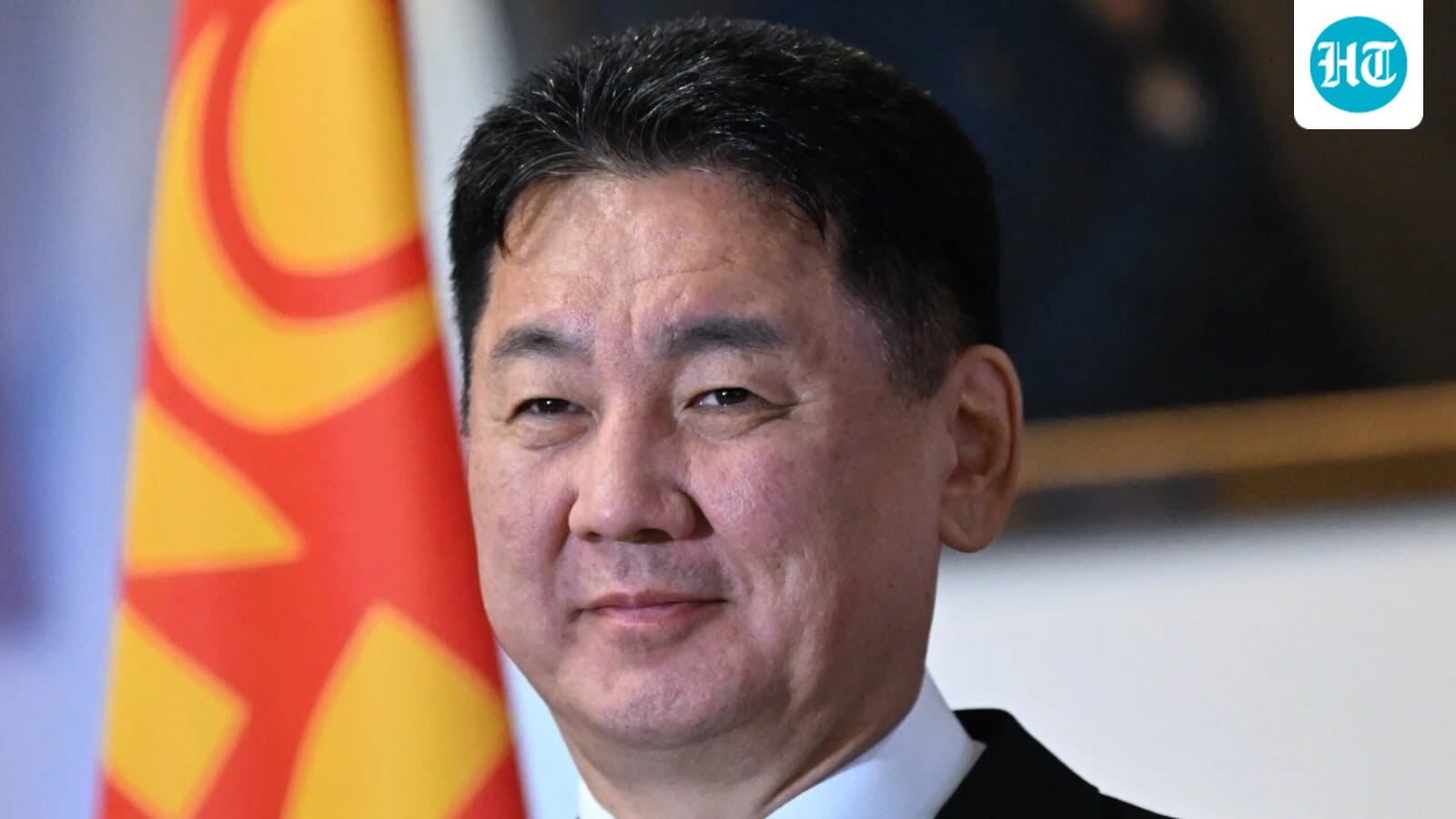
Mongolian President Khurelsukh Ukhnaa has unexpectedly resigned following serious allegations of misconduct. The nation now faces an interim leadership transition under the speaker of parliament, with a new presidential election mandated within four months.
The Sudden Resignation of President Khurelsukh Ukhnaa
In a seismic shift for Mongolian governance, President Khurelsukh Ukhnaa has announced his unexpected resignation from office. The announcement, delivered via a livestreamed statement on Tuesday, comes amidst a cloud of unspecified but purportedly grave allegations of misconduct. This development marks a critical juncture for the nation’s political stability, as it abruptly terminates the tenure of a key executive figure.
The Nature of the Allegations
During his public address, President Khurelsukh characterized the accusations leveled against him as "unbelievable and extremely serious." While he refrained from providing specific details regarding the nature of the alleged misconduct, his defensive posture was clear. He vehemently denied the claims, categorizing them as a defamation campaign and expressing his intent to pursue legal recourse against his detractors. By pointing toward the opposition Democratic Party’s calls for an investigation, Khurelsukh has framed his departure not as an admission of guilt, but as a response to intense political pressure.
Constitutional Transition and Continuity
Under the strictures of Mongolia’s constitution, the resignation of a sitting president triggers an immediate succession protocol. The speaker of parliament is designated to assume the role in an interim capacity, ensuring that the state functions without a power vacuum. This mechanism is designed to maintain institutional continuity while the nation prepares for a democratic transition of power. The constitutional framework mandates that a new presidential election must be held within four months of the vacancy being declared.
Political Implications and Future Trends
This resignation is likely to catalyze a significant realignment within the Mongolian political landscape. With the opposition Democratic Party having exerted pressure for an investigation, the upcoming election cycle will likely be defined by intense scrutiny of executive conduct and anti-corruption rhetoric. The four-month window for a new election creates a compressed timeline for political mobilization, forcing parties to rapidly consolidate their platforms and candidate lists.
Broader Context of Mongolian Governance
Historically, Mongolia has navigated the complexities of a hybrid political system, balancing executive power with parliamentary oversight. The rapid nature of this resignation highlights the volatility that can emerge when allegations of misconduct reach the highest levels of government. As the nation moves toward an interim leadership phase, the international community and domestic observers will be closely monitoring whether the legal process remains transparent and whether the transition adheres strictly to constitutional timelines.
Conclusion
As President Khurelsukh Ukhnaa exits the national stage, Mongolia enters a period of heightened political uncertainty. The resolution of the misconduct allegations will likely become the central theme of the impending election. Whether this transition will lead to institutional reform or further political polarization remains to be seen, but the adherence to the four-month election mandate will be the definitive test of Mongolia’s democratic resilience.
Verification Required?