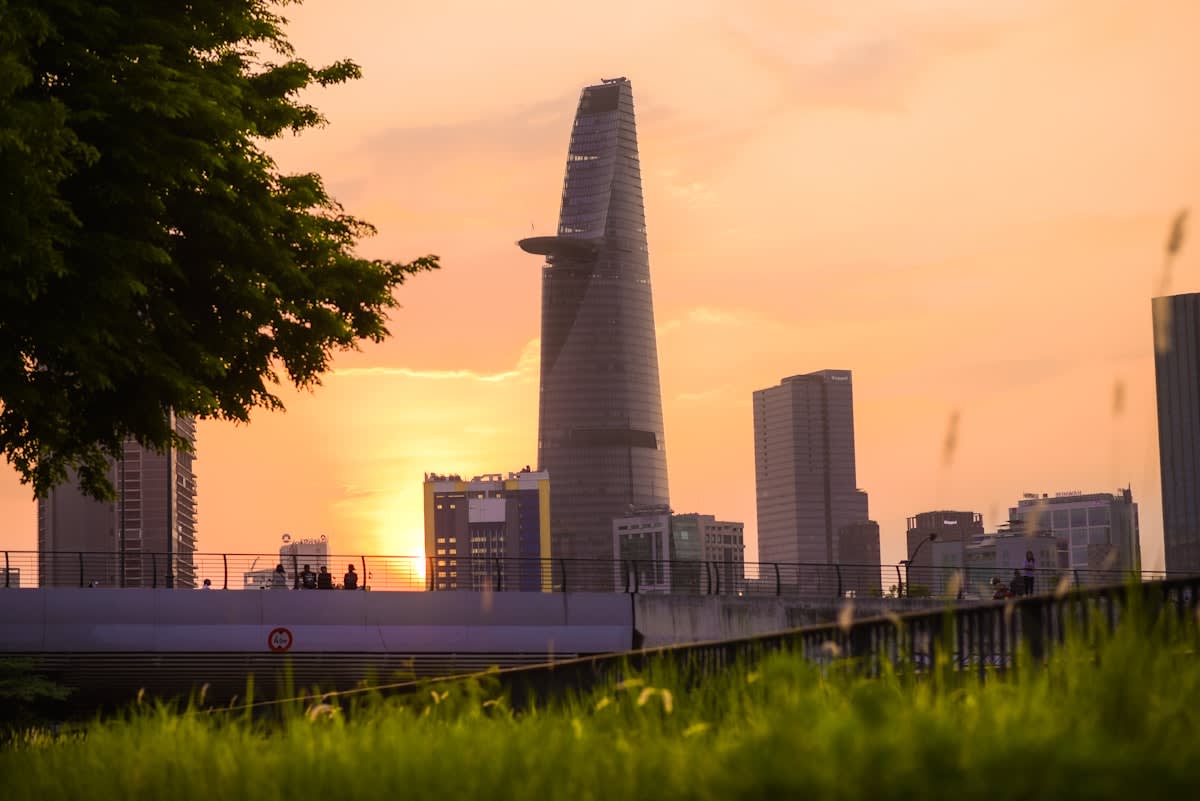
For decades, the glass tower was the ultimate symbol of corporate transparency and architectural ambition. These shimmering monoliths defined the skylines of every global capital, promising a futuristic blend of light and luxury. But look closer at the balance sheets of today's real estate giants, and you will find a growing anxiety. We built greenhouses and called them offices. Now, as temperatures routinely shatter records, these structures are revealing themselves not as monuments to progress, but as thermal liabilities that demand an unsustainable amount of energy to remain habitable.
The shift is not happening through sudden policy mandates or dramatic collapses. It is happening quietly, in the negotiation rooms of real estate brokers and the strategic plans of university campuses. We are witnessing a systemic pivot where the ability of a building to survive heat without relying solely on a power grid is becoming a primary driver of asset value. Why continue to invest in a design that fights the environment rather than integrating with it?
The Financialization of Heat Risk
In London, the market is sending a clear signal: heat is now a red flag. According to Chris Cummings, a director at Savills, buyers are increasingly using the absence of cooling options or outdated thermal designs as a lever to negotiate prices down. This is a critical inflection point. For years, the lack of air conditioning in older London stock was seen as a quirk of heritage architecture. Now, it is viewed as a financial risk. Properties that overheat in the summer are becoming extremely hard to lease, shifting the power dynamic from the landlord to the tenant.
"Heat is now up there as a red flag. Buyers looking at office properties that get too hot in the summer... increasingly see an opportunity to actually negotiate down."— Chris Cummings, Director at Savills
This devaluation is not limited to one city. It represents a global realization that the 'US-style' office—heavily reliant on high-capacity HVAC systems—is a double-edged sword. While these buildings may feel cooler, they are tethered to an energy infrastructure that is increasingly fragile. The market is beginning to distinguish between buildings that are 'cooled' and buildings that are 'cool.' The former is a cost center; the latter is a resilient asset.
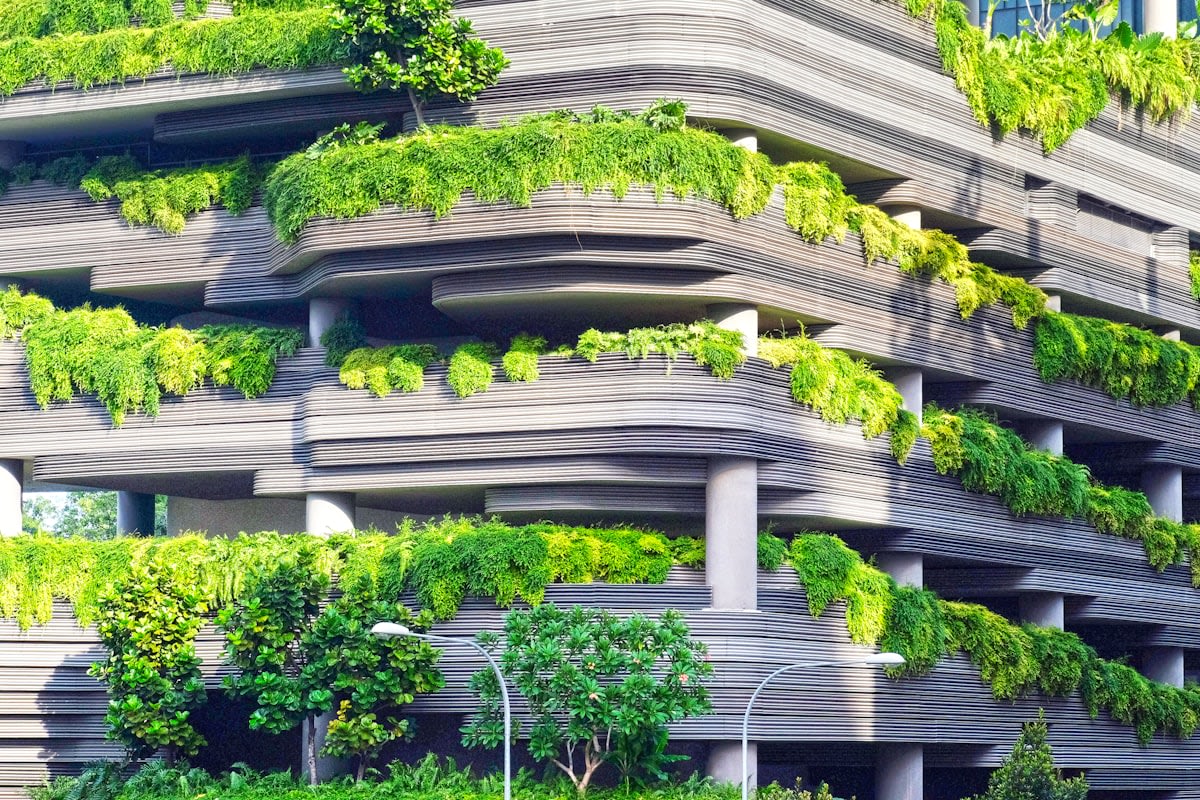
This financial pivot forces us to ask a hard question: what happens to the trillions of dollars locked in glass-heavy real estate? If the cost of cooling these structures exceeds the rental income they generate, we are facing a wave of stranded assets. The solution is not simply to install more AC units, but to rethink the very skin of the building.
The Efficiency Paradox
The transition from active cooling to passive resilience is the difference between treating a symptom and curing the disease. Adding more AC to a glass tower is like trying to cool a campfire by blowing on it with a fan while adding more wood.
The human cost of this architectural failure is already evident. In Southern California, inland Los Angeles has seen temperatures climb as high as 110 degrees, forcing the city to deploy cooling centers and air-conditioned buses. Meanwhile, a heat wave in England and Wales resulted in an estimated 440 deaths per day at its peak. These are not just weather events; they are the results of a design philosophy that treats heat as a freak occurrence rather than a permanent operational constraint.
Beyond the Air-Con Divide
There is a dangerous social stratification emerging, which we can call the 'air-con divide.' In this scenario, the wealthy ride out the heat in climate-controlled bubbles, while those in uninsulated rentals are left vulnerable. This divide is a direct byproduct of designing cities that require more and more mechanical cooling every year. When the architecture itself provides no thermal protection, survival becomes a luxury service rather than a basic right.
If we continue to rely on AC as the primary shield, we create a feedback loop. AC units pump waste heat into the streets, raising the external temperature and forcing the units to work harder. This is a systemic failure. The goal must be to move toward an architecture of survival—one that uses thermal mass, strategic shading, and natural airflow to maintain habitable temperatures regardless of the power grid's status.
| Metric | The Glass Tower Model | The Resilient Model |
|---|---|---|
| Thermal Strategy | Active (Mechanical Cooling) | Passive (Structural Design) |
| Asset Valuation | Subject to 'Heat Red Flags' | Premium for Low-OpEx |
| Energy Dependency | High/Critical | Low/Adaptive |
| Social Impact | Exacerbates 'Air-Con Divide' | Democratic Thermal Comfort |
| Water Usage | High (Cooling Towers) | Integrated/Closed-Loop |
To achieve this, we must look toward holistic management. Rice University in Houston provides a compelling blueprint. Recognizing that water scarcity is an inevitable constraint, they engaged Walter P Moore to develop a resilience plan that goes beyond simple reduction targets. They are evaluating the tradeoffs of how the campus actually uses water for building systems and research, ensuring that their survival strategy is grounded in operational reality rather than optimistic projections.
The Rice University approach proves that resilience is not about a single technology, but about a systemic shift in perspective. By addressing water scarcity before it becomes a crisis, they are building a foundation for long-term sustainability. This is the same logic that must be applied to thermal management: address the heat load of the building's skin before you try to solve it with a bigger chiller.
The Path to Thermal Sovereignty
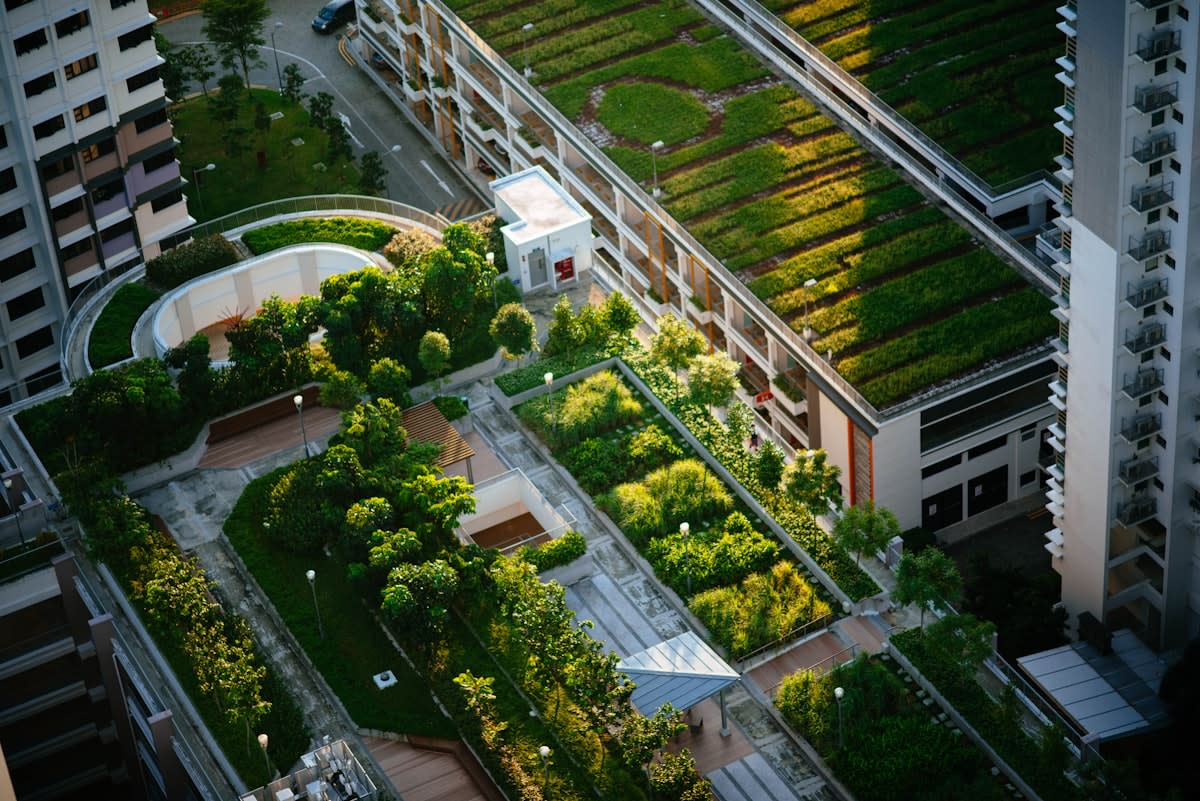
What does the future of the skyline look like if we abandon the glass tower? It looks like a return to intelligence. It means utilizing materials with high thermal mass that can absorb heat during the day and release it at night. It means bringing back the brise-soleil and deep overhangs that were common in hot climates long before the invention of the compressor. It means treating the building envelope as a living filter rather than a transparent wall.
We see a parallel in high-stakes engineering. The Pentagon recently awarded $7.1 million to expand the production of radiation-resistant cover glass for satellites. While this is space technology, the underlying principle is the same: specialized materials are required to handle extreme thermal-control systems in hostile environments. Our cities are becoming hostile environments. We need the same level of material science applied to our office blocks and apartment complexes.
The opportunity here is immense. The transition to resilient architecture is not just about avoiding disaster; it is about creating a new category of high-performance real estate. Buildings that can maintain 72 degrees Fahrenheit while the street is 110, without crashing the local power grid, will be the most coveted assets of the next century.
Ultimately, the abandonment of the glass tower is an admission of humility. We are admitting that we cannot simply air-condition our way out of a warming world. The future belongs to the strategists who can design for the reality of the environment, turning the challenge of heat into an opportunity for architectural innovation.