UP to draw up five-year action plan to tackle leprosy
Source Entity
Latest News: Todays Latest News Headlines from India & World | Hindustan Times | Hindustan Times
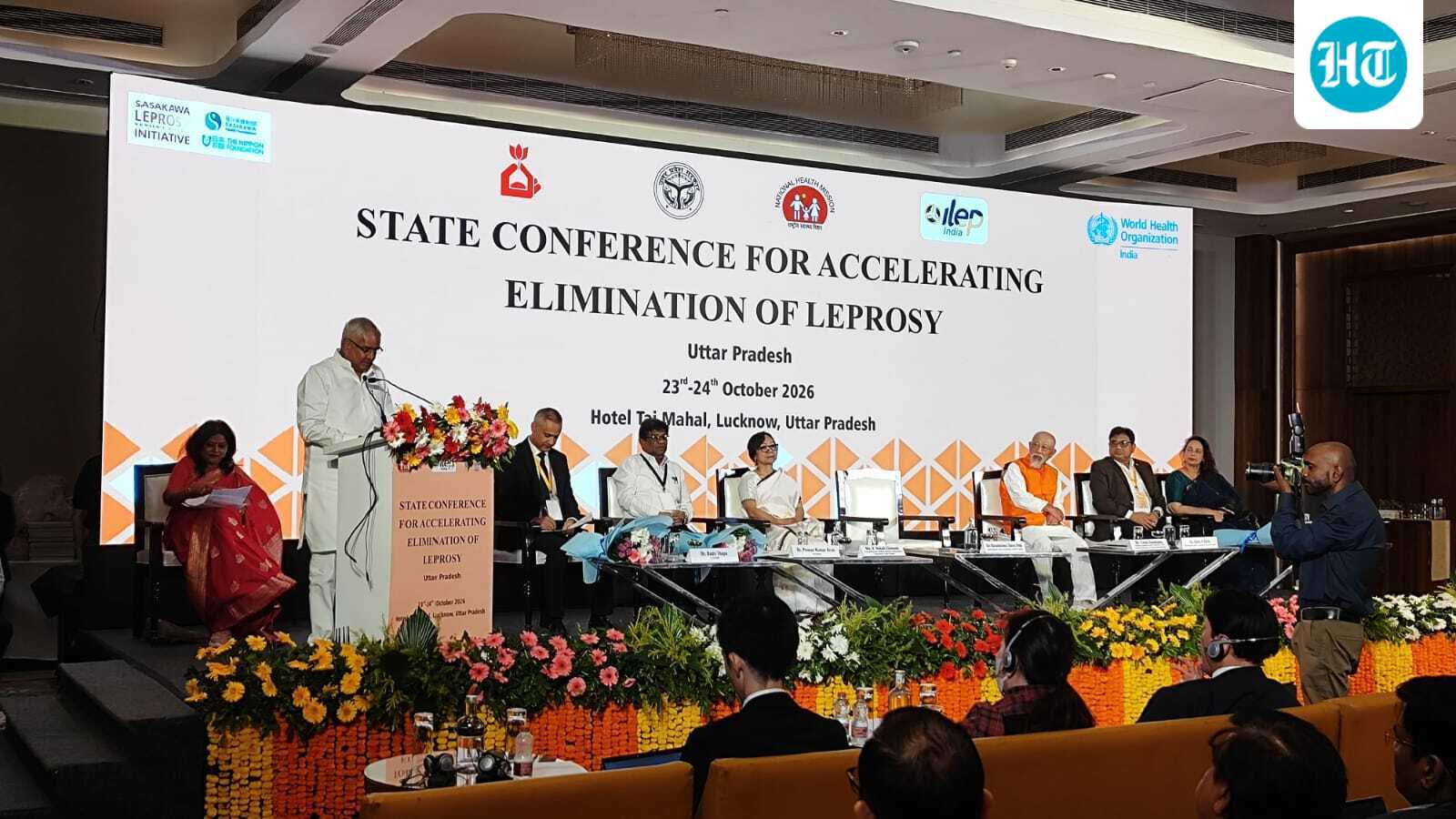
Uttar Pradesh is launching a comprehensive five-year action plan to eradicate leprosy through early detection and improved healthcare access. The initiative prioritizes high-risk areas, worker training, and social reintegration to combat persistent disease-related stigma.
Strengthening Public Health: UP’s Strategic Leap Against Leprosy
Uttar Pradesh has officially announced a robust five-year action plan aimed at the complete eradication of leprosy within the state. This initiative, unveiled during a two-day state-level conference, signifies a shift toward a more systematic, data-driven approach to infectious disease control. By focusing on early detection, disability prevention, and the integration of patients into social services, the state government is moving beyond mere symptom management to tackle the root causes of disease transmission.
Prioritizing High-Risk Zones
At the core of this new strategy is the identification of specific priority districts and blocks that exhibit higher prevalence rates. Minister of State for Health Mayankeshwar Sharan Singh emphasized that the government has identified ten critical areas that will serve as the focal point for this initial phase. By concentrating resources and medical expertise in these concentrated hubs, the state can optimize the deployment of health workers and ensure that surveillance efforts are both targeted and effective.
Human Capital and Capacity Building
The success of any large-scale public health intervention relies heavily on the frontline workforce. The action plan explicitly mandates a comprehensive training program for health workers, ensuring they are equipped with the latest diagnostic tools and protocols for early leprosy detection. Regular reviews of these health workers' performance and outreach efforts will be institutionalized, creating an accountability loop that ensures the strategy remains adaptive to changing ground realities.
Addressing the Socio-Cultural Stigma
Perhaps the most daunting hurdle identified by the administration is the persistent social stigma surrounding leprosy. Despite medical advancements that make the disease highly treatable, the historical baggage associated with it continues to discourage individuals from seeking timely care. The government’s commitment to ensuring a "dignified life" for those affected suggests that this plan is not just medical, but also social; it aims to bridge the gap between clinical treatment and the essential services that allow patients to reintegrate into their communities.
Long-Term Vision and Future Trends
Looking ahead, this five-year roadmap serves as a template for public health sustainability. If successful, the model of identifying priority blocks and linking patients with long-term care could be replicated for other neglected tropical diseases. The integration of continuous monitoring and the emphasis on early detection are key trends in modern epidemiology that Uttar Pradesh is now adopting to ensure that leprosy eventually transitions from a public health threat to a manageable, rare condition.
Conclusion
In summary, the Uttar Pradesh government's five-year plan represents a proactive and holistic approach to leprosy eradication. By balancing rigorous clinical surveillance with a focus on social dignity, the state is addressing both the biological and societal dimensions of the disease. The success of this endeavor will depend on the consistent implementation of the ten-point focus areas and the sustained commitment to empowering the frontline health workforce.
Verification Required?