‘VIP culture’ in hospitals can compromise patient safety, equitable care: AIIMS doctors
Source Entity
ANUJA JAISWAL
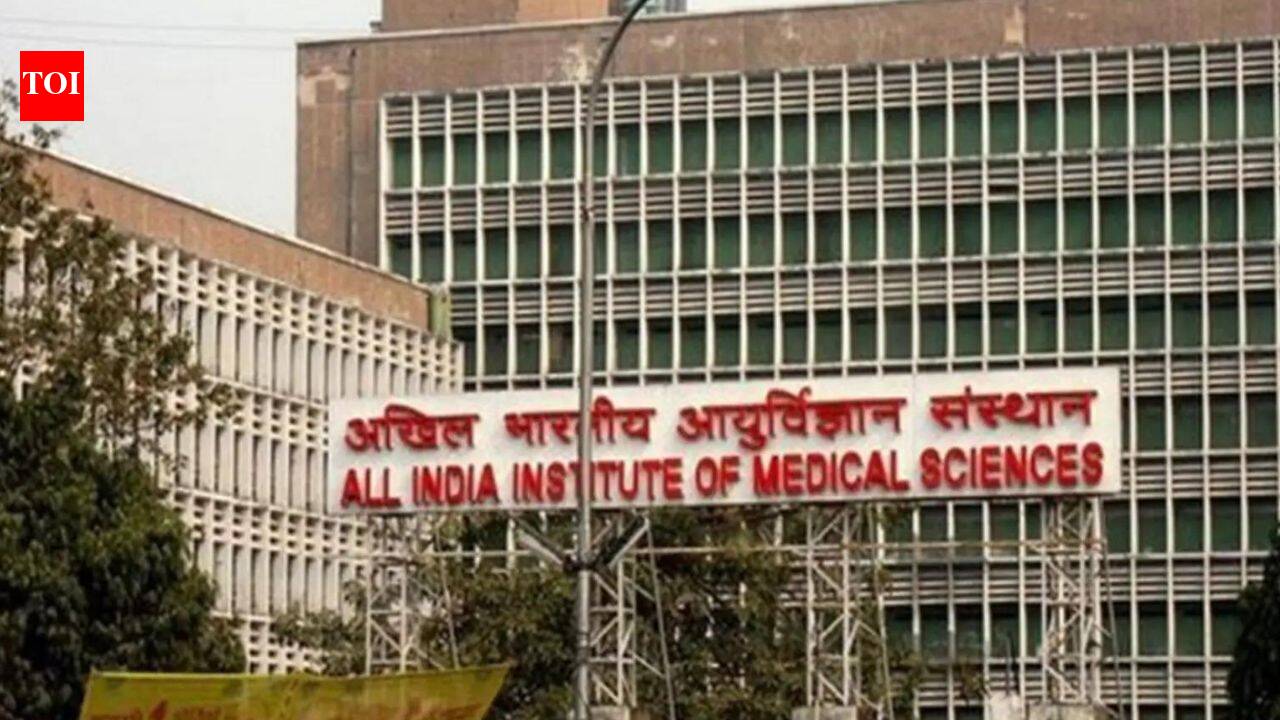
AIIMS Delhi oncologists have highlighted that 'VIP culture' in hospitals compromises patient safety and equitable care. The practice of prioritizing influential patients can lead to unnecessary procedures and resource depletion, necessitating stricter clinical protocols.
The Hidden Dangers of VIP Culture in Healthcare
Recent warnings from surgical oncologists at AIIMS Delhi have brought a critical systemic issue to the forefront of medical ethics: the prevalence of 'VIP culture' in hospital settings. According to Prof. M D Ray and Dr. Hema Siri Kottu, the tendency to provide preferential treatment to influential individuals is not merely a matter of social protocol, but a genuine threat to patient safety and the integrity of evidence-based medicine. By allowing external influence to dictate clinical pathways, hospitals risk compromising the quality of care for the broader patient population.
The Erosion of Clinical Standards
The core issue identified by the AIIMS experts is the 'VIP syndrome,' where a patient’s socioeconomic status or political connections override standardized medical judgment. When clinical decisions are pressured by families or hospital management, it often results in unnecessary investigations, surgeries performed without adequate preparation, or prolonged stays in intensive care units. These deviations from established protocols can lead to medical errors and suboptimal outcomes, effectively prioritizing the comfort or status of the individual over the objective medical needs of the patient.
Impact on Equitable Care and Resource Allocation
Beyond individual safety, the systemic impact of VIP culture is profound. Hospitals operate on finite resources, including staff time, specialized equipment, and bed capacity. When influential patients receive prolonged care or attention beyond what is clinically indicated, it inevitably strains these resources. This creates a ripple effect where other patients, who may have more urgent medical requirements, face delays in service or reduced access to necessary care, thereby violating the fundamental principle of equitable medical treatment.
Staff Morale and Institutional Integrity
Another critical dimension highlighted by the report is the impact on hospital staff. Medical professionals are trained to provide care based on clinical necessity, not social hierarchy. When clinicians are forced to deviate from their training due to administrative or external pressure, it can lead to moral distress and a decline in staff morale. This culture of favoritism risks undermining the professional autonomy of doctors and nurses, potentially leading to burnout and a loss of trust in the institution’s commitment to fairness.
The Path Toward Reform
To address this, the AIIMS oncologists advocate for a shift toward rigid, transparent admission criteria and strictly enforced clinical protocols. By standardizing the decision-making process, hospitals can create a buffer against external influence, ensuring that every patient—regardless of their status—receives the same evidence-based care. Implementing these reforms is essential for restoring the focus on patient safety and maintaining the ethical standards that define high-quality healthcare systems.