First personalised cancer vaccine cuts risk of disease returning in major trial
Source Entity
BBC News
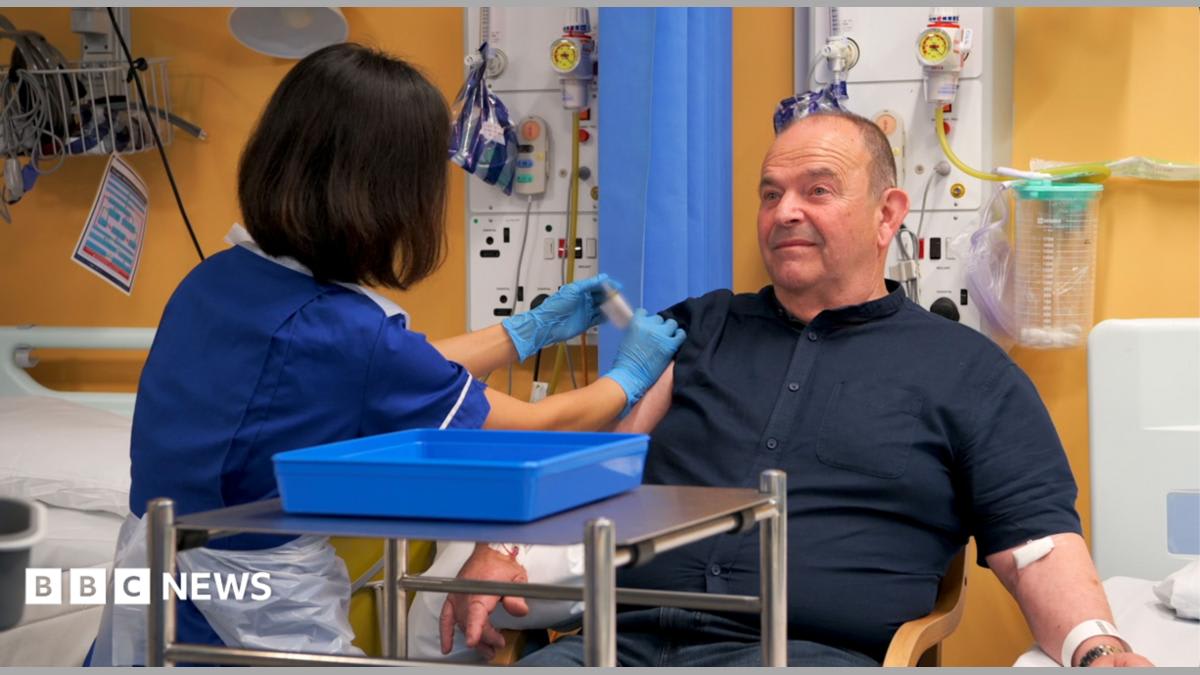
Moderna and Merck's experimental cancer vaccine showed significant success in reducing melanoma recurrence by 42%. Despite positive clinical data, Moderna's stock fell due to market expectations and concerns over the complexity of personalized treatment.
A Watershed Moment in Oncology
The recent release of Phase 3 trial data for the personalized cancer vaccine, intismeran autogene, represents a potential paradigm shift in the treatment of melanoma. Developed through a collaborative effort between Moderna and Merck, this therapy utilizes mRNA technology to create a vaccine tailored to the specific genetic makeup of an individual patient's tumor. When administered in conjunction with Merck’s established immunotherapy, Keytruda, the regimen demonstrated a 42% reduction in the risk of cancer recurrence or death compared to Keytruda monotherapy.
Clinical Efficacy and Long-term Implications
The data, which measured outcomes over a two-year period following surgery, also highlighted a 38% reduction in the risk of the disease spreading to distant parts of the body. Dr. Hussein Tawbi of the MD Anderson Cancer Center described the findings as a "big win" for a field that has long sought breakthroughs in personalized medicine. By targeting the unique mutations within a patient's tumor, this approach offers a more precise method of stimulating the immune system to recognize and attack malignant cells, a significant departure from traditional, broad-spectrum oncological treatments.
Market Volatility and Investor Sentiment
Despite the clinical success, Moderna’s stock experienced a sharp decline of up to 25% following the leak of partial data. This market reaction highlights a disconnect between clinical achievement and financial speculation. While the results were objectively positive, Wall Street analysts had set high expectations based on previous, smaller-scale trials. The sell-off reflects the volatility inherent in the biotechnology sector, where even positive news can lead to a correction if it does not exceed pre-existing, aggressive market forecasts.
Challenges in Scalability and Implementation
The path to widespread clinical adoption remains complex. Beyond the need for continued monitoring of the current trial participants to assess long-term durability, logistical and financial hurdles persist. Because the vaccine requires genetic analysis of each patient's tumor, the manufacturing process is highly individualized. Experts note that widespread implementation, particularly within public health systems like the NHS, will be heavily contingent upon the cost-effectiveness of this bespoke production model.
Future Regulatory Outlook
Looking ahead, the collaboration between Moderna and Merck is moving toward the next phase of development. Both companies have indicated they are actively engaging with regulatory authorities, with potential filings for approval as early as next year. As the medical community prepares to discuss these detailed results at the European Society for Medical Oncology conference, the focus will likely shift from the trial's immediate success to the logistical framework required to integrate personalized mRNA vaccines into standard clinical practice.
Multiple Citing Sources