Orthopaedic surgeon reveals what women should look for before buying health drinks for stronger bones
Source Entity
Latest News: Todays Latest News Headlines from India & World | Hindustan Times | Hindustan Times
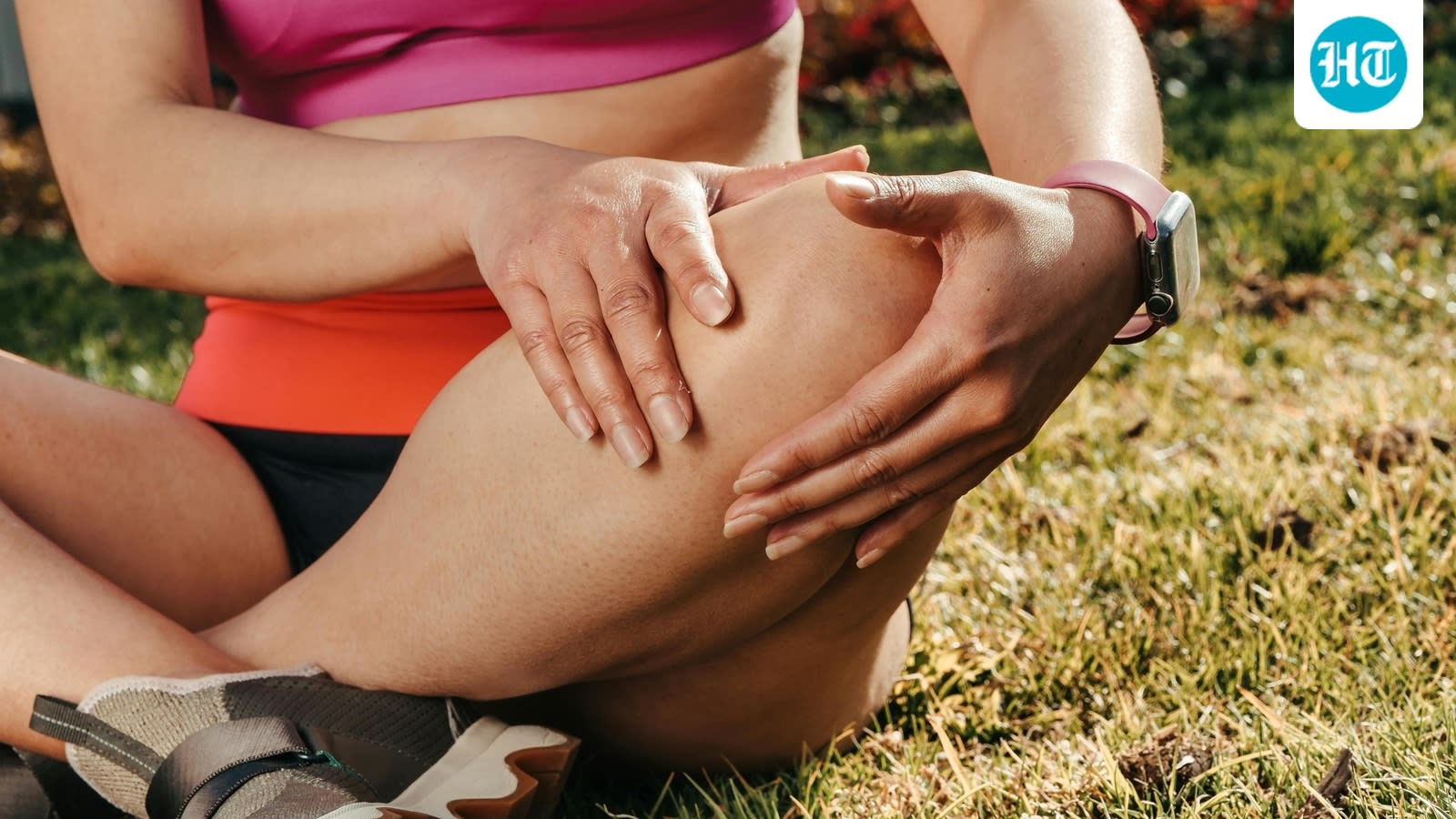
Orthopaedic experts caution women against relying solely on health drinks for bone strength. Consumers are urged to evaluate their actual nutritional gaps and consult professionals before purchasing these supplements.
Navigating the Market for Bone Health Supplements
The modern wellness industry is saturated with products promising to fortify bone density, specifically targeting women over the age of 30. As the risk of osteoporosis becomes a prominent health concern during middle age, many consumers turn to powdered health drinks as a convenient, preventative measure. These products are often marketed as essential additions to a daily glass of milk, suggesting they are a simple solution to complex biological requirements.
The Reality of Nutritional Gaps
Before integrating these health drinks into a daily routine, it is imperative to conduct a critical assessment of one's existing diet. Dr. Ramkinkar Jha, the director of robotic joint replacement and orthopaedics at CK Birla Hospital Gurugram, emphasizes that consumers must determine if these products are actually filling a genuine nutritional void. Relying on marketing claims without understanding one's personal baseline levels of calcium and vitamin D can lead to unnecessary expenditure and a false sense of security regarding long-term skeletal health.
Understanding Osteoporosis Risks
Osteoporosis represents a significant health challenge for women, characterized by a decrease in bone mass and structural deterioration. While calcium and vitamin D are universally recognized as critical components for maintaining bone integrity, they are not a panacea. The medical community stresses that bone health is multifaceted, involving exercise, hormonal balance, and overall systemic health. Simply adding a scoop of a supplement to one's diet may not compensate for a lack of weight-bearing exercise or other lifestyle factors that contribute to bone density loss.
Professional Guidance vs. Marketing Claims
There is a growing trend of self-diagnosis fueled by aggressive health marketing. Experts warn that the efficacy of these health drinks is often overstated. Instead of defaulting to over-the-counter supplements, women are encouraged to consult with orthopaedic specialists to evaluate their bone health status. Professional medical advice can help determine if a supplement is medically indicated or if a dietary adjustment would be more effective and sustainable.
The Impact of Modern Lifestyle
Beyond nutritional supplementation, the sedentary nature of modern professional life—often referred to as the 9-to-5 grind—can actively contribute to the weakening of bones. The lack of movement and prolonged sitting can exacerbate the very risks that these health drinks claim to mitigate. By focusing solely on a drink as the solution, individuals might overlook the foundational changes, such as physical activity and posture management, that are necessary to combat the physical toll of a sedentary lifestyle.
Conclusion: A Measured Approach
Ultimately, the path to stronger bones lies in a comprehensive understanding of one's physiological needs rather than the consumption of mass-marketed products. Informed decision-making, supported by professional consultation, is the most effective strategy for managing bone health. As women navigate their middle years, they should prioritize evidence-based practices over convenience-driven purchases to ensure long-term skeletal wellness.
Verification Required?