First human case of Shamonda virus: What is it, what are the risks
Source Entity
The Indian Express
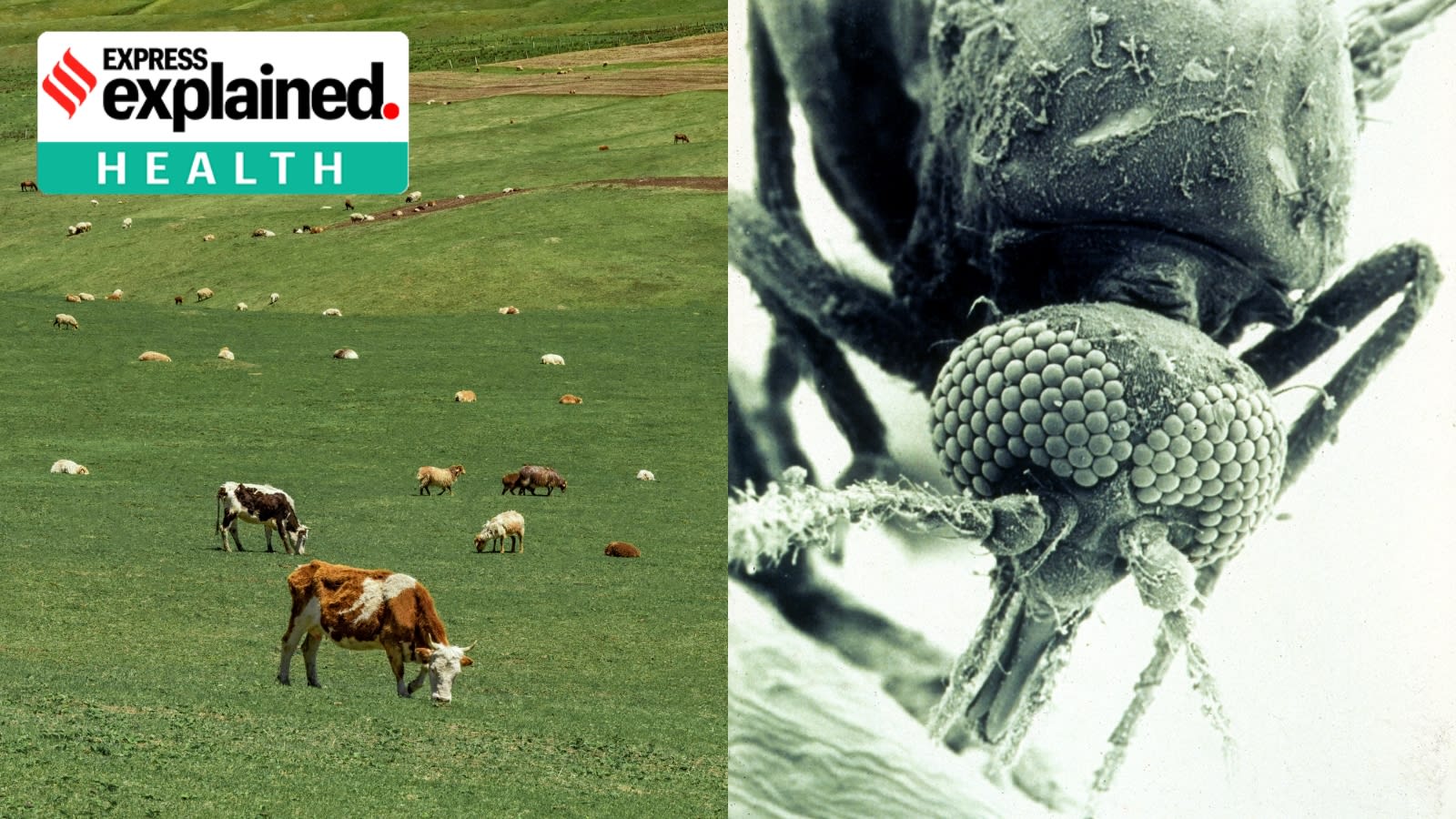
France has reported its first human case of the Shamonda virus, an animal-borne pathogen, following the death of a severely immunocompromised patient in Lyon. Authorities confirm there is no immediate risk to the general public, as the case is considered an exceptional spillover event.
The Emergence of Shamonda Virus in France
France has recently confirmed the first documented human infection of the Shamonda virus, a pathogen historically associated with livestock. The case, which resulted in the death of a patient in a Lyon hospital earlier this October, has drawn significant scientific scrutiny. While the virus has circulated among animal populations in eastern France during the spring and summer of this year, its transmission to a human host represents a novel and unexpected development in the surveillance of emerging infectious diseases.
Clinical Context and Patient Profile
The patient in question was already suffering from a serious underlying medical condition and was identified as being severely immunocompromised. French health and agriculture ministries have emphasized that this is an exceptional case, specifically noting that the patient’s health status likely played a critical role in the susceptibility to the virus. Investigators currently suspect that the transmission occurred via a midge bite, a vector commonly associated with the spread of such viruses among animal populations.
Neurological Complications and Scientific Investigation
One of the primary reasons this case has garnered international attention is the presence of neurological complications in the patient. While investigators believe these complications were linked to the Shamonda virus, the exact extent to which the virus contributed to the patient's death remains under active investigation. This distinction is vital for public health officials, as it helps clarify whether the virus acts as a primary pathogen in humans or if its impact is strictly limited to individuals with pre-existing immune deficiencies.
Historical Context and Geographic Spread
The Shamonda virus was first identified decades ago in Nigeria, and its recent appearance in Europe has raised questions regarding its geographic expansion and potential for interspecies spillover. The fact that the virus has successfully crossed from livestock to a human host in France underscores the importance of ongoing monitoring programs. The European Centre for Disease Prevention and Control and local authorities are currently evaluating the implications of this shift in the virus's range.
Public Health Implications and Risk Assessment
Despite the gravity of the patient's death, French authorities have issued a clear message: there is no identified health risk to the general public at this time. The classification of this event as an exceptional case suggests that the virus does not currently possess the characteristics required for efficient human-to-human transmission. However, the event serves as a reminder of the constant evolution of zoonotic diseases and the necessity for robust agricultural and health surveillance systems.
Looking Ahead: Future Trends in Zoonotic Surveillance
As we look to the future, the detection of the Shamonda virus in a human host emphasizes the need for a 'One Health' approach—integrating human, animal, and environmental health data. The scientific community will likely focus on determining if this case is a localized anomaly or a sign of increasing environmental pressure forcing viruses into new niches. Continued monitoring of midge populations and livestock health in eastern France will be essential to ensure that this remains an isolated incident rather than the beginning of a broader public health challenge.
Multiple Citing Sources