
The Lithium Paradox
The global energy transition is hitting a wall of material reality. This week, the Democratic Republic of Congo shipped its first-ever lithium exports to China, with the mining giant Zijin Mining confirming that shipments from the Manono project began moving in June 2026. While this milestone secures the supply chain for current electric vehicle (EV) fleets, it simultaneously exposes a dangerous dependency. Beijing is deepening its grip on Central Africa's battery minerals, controlling not just lithium, but the bulk of cobalt and copper production in a region where security remains volatile. This concentration of power creates a fragile equilibrium that the rest of the world can no longer ignore.
The risk of this dependency isn't just geopolitical; it's mathematical. A recent study published in Communications Earth & Environment utilized the Collaborative Optimization Model for Carbon Emission Reduction and Metal Resource Security (COMERS) to map the future of electrification. The findings are a wake-up call for industry planners. The model suggests that if we ignore the tightening constraints of lithium, cobalt, and nickel supplies, we could overestimate China's passenger EV ownership by as much as 42% by the year 2060. This gap represents a massive failure in forecasting that could lead to underestimated transition costs and a slower-than-expected reduction in carbon dioxide emissions.
The Bottleneck Reality
The COMERS model proves that the 'lithium-only' path is a gamble. By overestimating vehicle adoption by nearly half, the industry has ignored the physical limits of the earth's crust.
But the solution isn't just about finding more lithium; it's about rendering it optional. We are witnessing a sudden, aggressive surge in alternative chemistries designed to democratize energy storage. The goal is simple: move away from rare, geographically concentrated minerals toward abundant elements like sodium and zinc. This isn't a distant academic exercise. The shift is happening in the laboratories and pilot plants of companies that realize the current trajectory is unsustainable. The race to find a 'lithium-killer' has officially moved from the theoretical to the industrial scale.
The Sodium-Ion and Solid-State Front
Leading this charge is EcoPro BM, which has just disclosed a roadmap that could redefine the 2027 energy landscape. The company is targeting the mass production of sulfide-based solid electrolytes by 2027, moving beyond the volatile liquid electrolytes that plague current battery safety. By independently developing a manufacturing process for these electrolytes, EcoPro BM is attempting to solve the stability and energy density issues that have held solid-state batteries back for a decade. They are currently operating a pilot plant with an annual capacity of 40 metric tons, testing the waters with leading customers before the full-scale commercial launch.
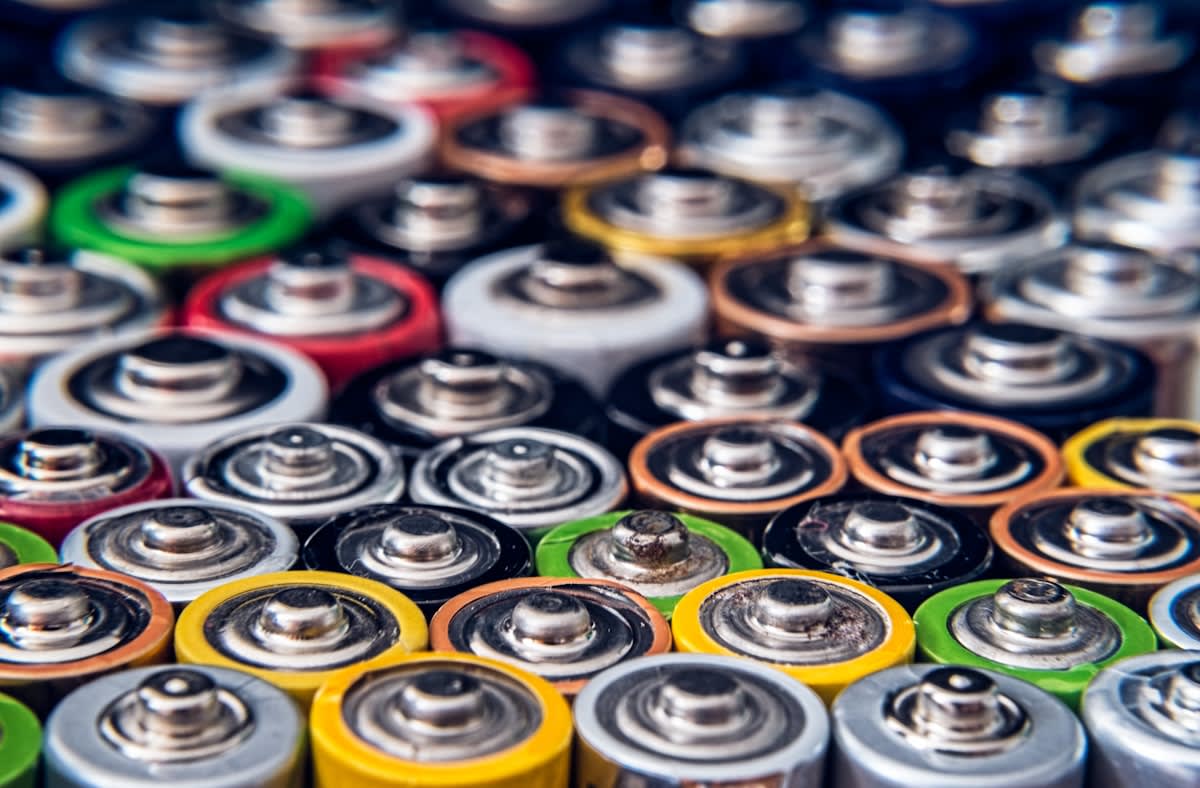
Sodium-ion batteries (SIBs) are the strategic answer to the lithium squeeze. EcoPro BM has spent the last three years developing cathode materials specifically for SIBs, including polyanion cathodes. These materials are critical because they offer superior stability and a longer cycle life compared to traditional lithium-ion setups. While lithium is a precious commodity fought over by superpowers, sodium is everywhere. By optimizing the chemistry to handle the larger size of the sodium ion, engineers are creating a pathway for cheap, scalable storage that can power everything from city-wide grids to budget electric scooters.
"We have secured our own sulfide-based solid electrolyte process technology. We are reviewing pilot-scale production with leading customers, and the earliest commercial mass production is expected in 2027."— Kong Bo-hyun, VP of R&D at EcoPro BM
The synergy between sodium-ion and solid-state technology is where the real opportunity lies. If the industry can marry the abundance of sodium with the safety and density of a solid-state electrolyte, the cost of energy storage will plummet. This would effectively democratize the green transition, allowing developing nations to leapfrog expensive lithium infrastructure in favor of local, salt-based energy systems. The focus has shifted from maximizing the performance of a single expensive cell to optimizing a diverse portfolio of chemistries for different use cases.
Beyond Solids: The Rise of the Mud Battery
While sodium-ion targets the EV market, a different innovation is tackling the massive energy storage problem: the Flowing Zinc Slurry (FZS) battery. Often referred to as 'mud batteries,' these systems move away from the fixed solid electrodes that define almost every battery we use today. In traditional zinc batteries, zinc ions deposit unevenly on the electrode, creating dendrites—tiny, needle-like structures that can cause short circuits and battery failure. The FZS approach solves this by using a slurry, a mud-like mixture of solid particles suspended in liquid.
The absence of a fixed scaffold in a slurry battery means dendrites have nowhere to grow. This allows for the creation of massive, dam-like energy storage facilities that can hold surplus power from wind and solar farms and release it with minimal degradation. It is a fundamental shift in architecture. Instead of miniaturizing cells for a phone or a car, FZS focuses on the macro-scale, providing the stability needed for a fully decarbonized power grid. This technology transforms the battery from a delicate component into a robust piece of industrial infrastructure.
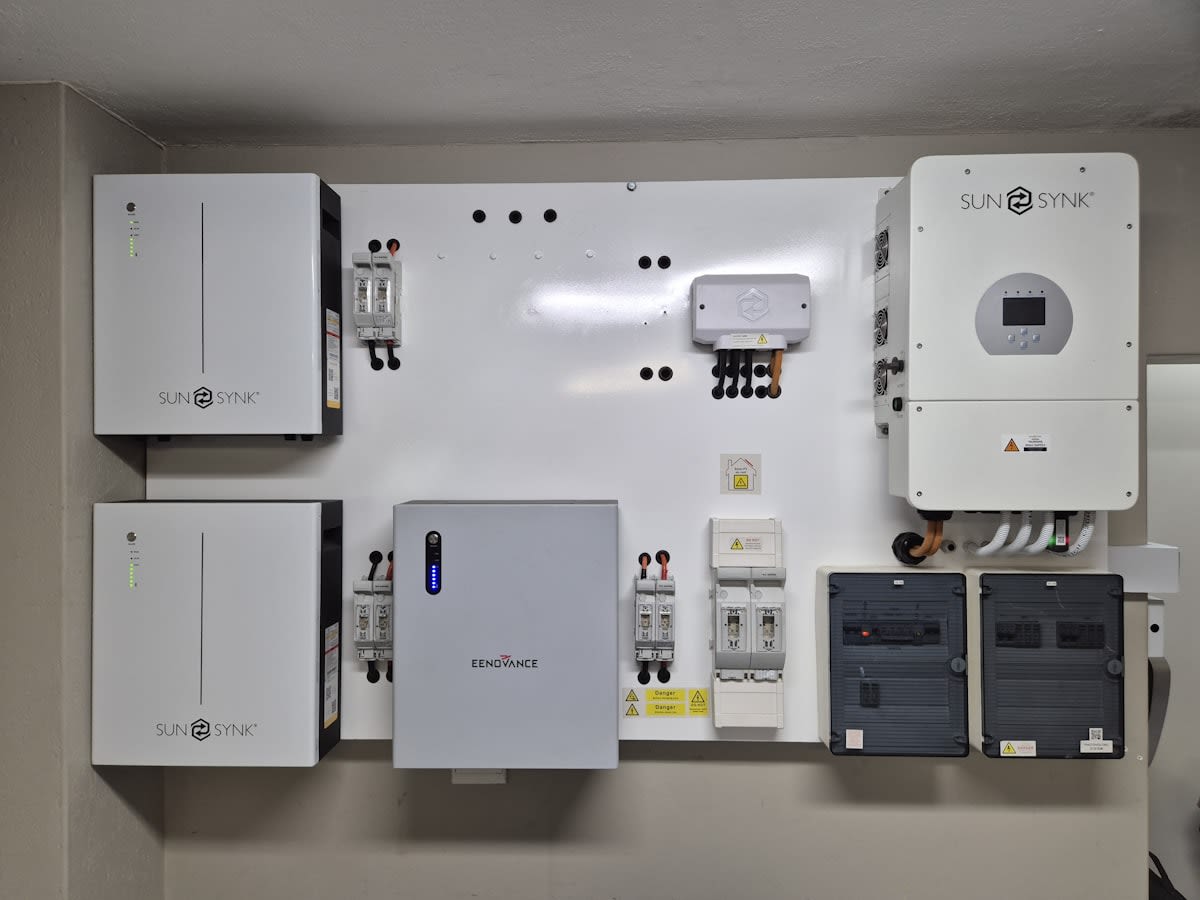
While the lithium-ion battery remains the king of energy density, the mud battery is the new king of resilience. By decoupling the energy storage capacity (the size of the slurry tanks) from the power output (the size of the electrode), grid operators can scale their storage needs without the exponential cost increases associated with lithium. This is the missing piece of the puzzle for regions with high renewable penetration but unstable grids.
Mapping the New Battery Geography
The technological shift is mirrored by a geographic one. For years, battery manufacturing was almost synonymous with China. However, 2026 has seen a decisive push to establish alternate hubs in the Middle East, Southeast Asia, and India. Cell manufacturing capacity is projected to increase by over 25% in 2026 alone, with Europe seeing the most significant rise. This isn't just a trend; it's a strategic decoupling. Companies like CATL and EVE Energy are already pivoting, with CATL beginning production in Debrecen and EVE Energy planning a massive 30 GWh site in the same city.
| Region | Key Driver | Recent Milestone/Capacity |
|---|---|---|
| Europe | Strategic Autonomy | >25% Capacity Increase in 2026 |
| India | Domestic Market Growth | >10 GWh Storage-Specific Facilities |
| Hungary (Debrecen) | EU Manufacturing Hub | 30 GWh (EVE Energy planned) |
| DRC | Raw Material Export | First Lithium shipments to China (June 2026) |
India is providing a particularly interesting case study in domestic resilience. Unlike Europe, where Chinese giants like CATL are leading the build-out, much of India's new capacity is being driven by domestic players. The country has already completed over 10 GWh of energy storage battery-specific facilities this year. By focusing on domestic production, India is insulating itself from the volatile pricing and political whims of the global lithium market, creating a blueprint for other emerging economies to follow.
The emergence of the Middle East and Southeast Asia as manufacturing hubs further fragments the old monopoly. These regions are leveraging their existing energy infrastructure and strategic locations to attract battery investments. The result is a more distributed, resilient global supply chain. If a political crisis hits one region or a mineral bottleneck chokes another, the world now has multiple fallback options. The energy transition is no longer a one-way street leading to a single supplier.
The 2027 Horizon: A Diversified Future
As we look toward 2027, the narrative is shifting from 'finding more lithium' to 'optimizing for abundance.' The convergence of EcoPro BM's solid-state mass production, the scaling of sodium-ion cathodes, and the deployment of zinc slurry systems marks the end of the lithium hegemony. We are entering an era of 'fit-for-purpose' storage, where the chemistry is chosen based on the application—zinc for the grid, sodium for budget transport, and high-nickel solid-state for premium performance.
This diversification is the only way to avoid the 42% shortfall in EV adoption predicted by the COMERS model. By expanding the material palette, the industry can maintain the pace of decarbonization without being held hostage by the scarcity of a few critical metals. The race to democratize energy storage is not just about cost; it is about ensuring that the transition to clean energy is accessible to every nation, regardless of their access to lithium mines in the Congo or processing plants in China.
The volatility of the coming year will be high, but the trajectory is clear. The industry is building a safety net of alternative chemistries and distributed manufacturing. Those who cling to the lithium-only model risk becoming relics of a first-generation transition. The winners of the next decade will be the ones who embrace the salt, the zinc, and the slurry, turning the bottleneck of mineral scarcity into a catalyst for unprecedented innovation.