Beyond Trending: What is Great Game?
Source Entity
Ashiya Parveen
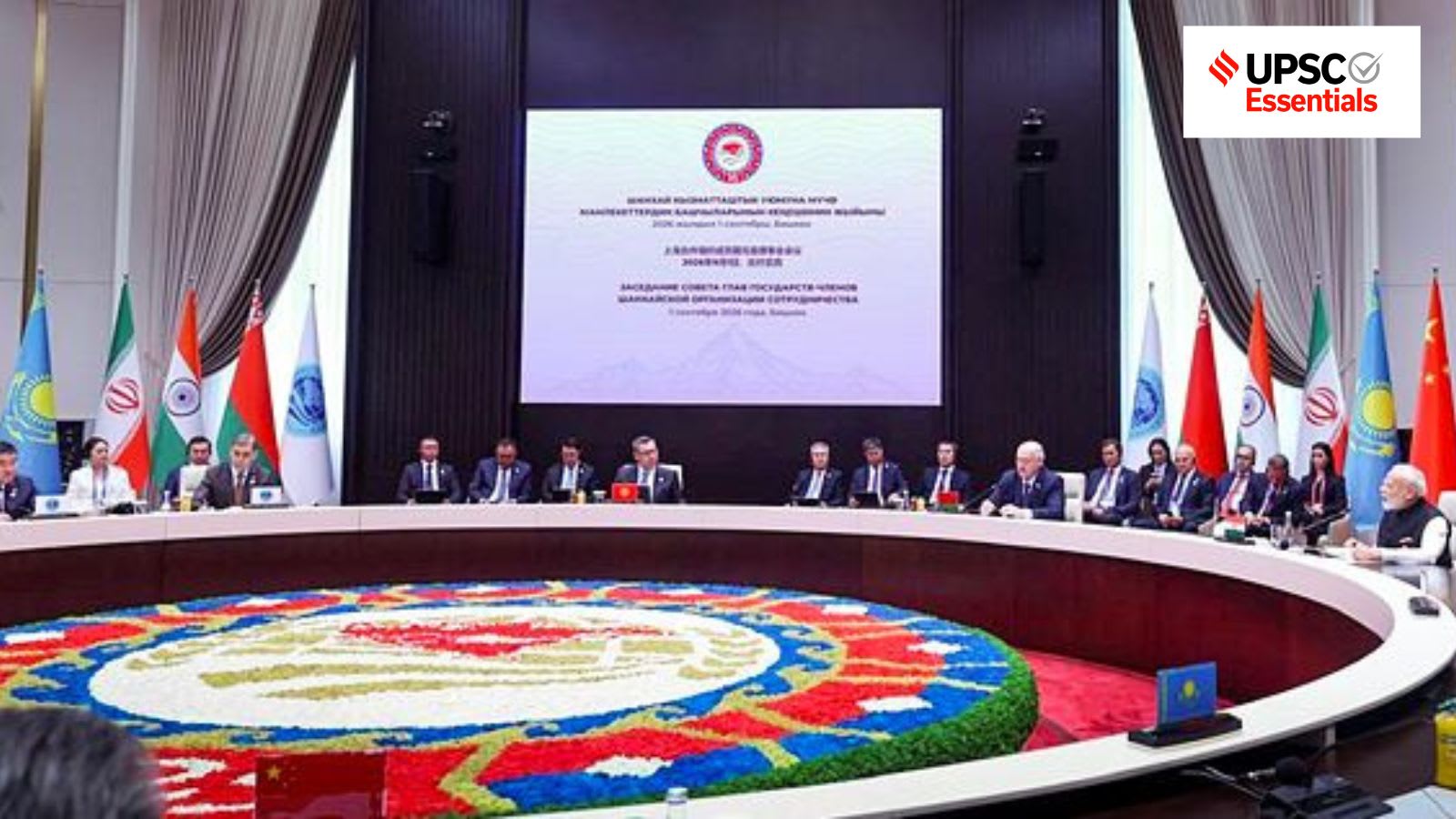
The 26th SCO summit in Bishkek highlights the intensifying geopolitical rivalry between major powers in Central Asia. This modern 'Great Game' echoes historical imperial competitions, with nations like India poised to influence the regional balance of power.
The Resurgence of the Great Game in Central Asia
The 26th summit of the Shanghai Cooperation Organisation (SCO) in Bishkek, Kyrgyzstan, serves as a focal point for understanding the shifting sands of modern geopolitics. As major powers converge in this landlocked region, the gathering highlights a contemporary iteration of the 'Great Game,' a term historically used to describe the nineteenth-century struggle for supremacy between the British and Russian empires. Today, the theater remains the same, but the actors have evolved into a complex triad of Russia, China, and the United States.
Historical Context: From Empires to Modern Powers
Historically, the Great Game was defined by imperial expansion and the pursuit of strategic buffers. The nineteenth-century competition was driven by the need to secure access to economically valuable territories and maintain regional hegemony. By analyzing the current SCO summit, we can see that the underlying motivations remain remarkably similar: the quest for influence, resource security, and the establishment of geopolitical zones of interest that serve the interests of global superpowers.
The Tripartite Competition: Russia, China, and the US
In the current landscape, the competition is no longer just about territorial borders but about economic corridors, infrastructure investment, and security partnerships. Russia maintains a traditional security interest in the region, while China has aggressively expanded its economic footprint through investment projects. Meanwhile, the United States continues to balance its strategic interests, often positioning itself as an alternative to the influence exerted by Beijing and Moscow. This creates a volatile environment where Central Asian nations must navigate competing pressures.
The Role of Emerging Players: India's Strategic Position
An essential dimension of this modern Great Game is the involvement of emerging powers like India. As an SCO member, India is not merely a bystander but a participant capable of shaping the competitive landscape. By engaging in the region, India seeks to balance its own security interests while fostering economic connectivity. Its presence adds a layer of complexity to the Russia-China dynamic, potentially preventing a monolithic power structure from dominating the region.
Implications for Global Stability
The competition for hegemony in Central Asia has profound implications for global stability. As these powers vie for influence, the risk of regional friction increases. The SCO acts as a forum for dialogue, yet it also reflects the deep-seated divisions among its members. The Bishkek summit underscores that Central Asia is not merely a transit point but a vital hub where the future of international relations is being negotiated.
Future Trends and Concluding Thoughts
Moving forward, we can expect the 'Great Game' to intensify as energy demands and supply chain security become paramount. Future trends will likely favor nations that can offer sustainable development alongside security guarantees. Ultimately, the 26th SCO summit confirms that Central Asia remains the central chessboard of the 21st century, where the strategies adopted today will determine the geopolitical architecture of the coming decades.