‘Horrible’! Babar Azam’s ‘authority’ questioned after PCB’s dramatic shake-up
Source Entity
PRANAV SHUKLA
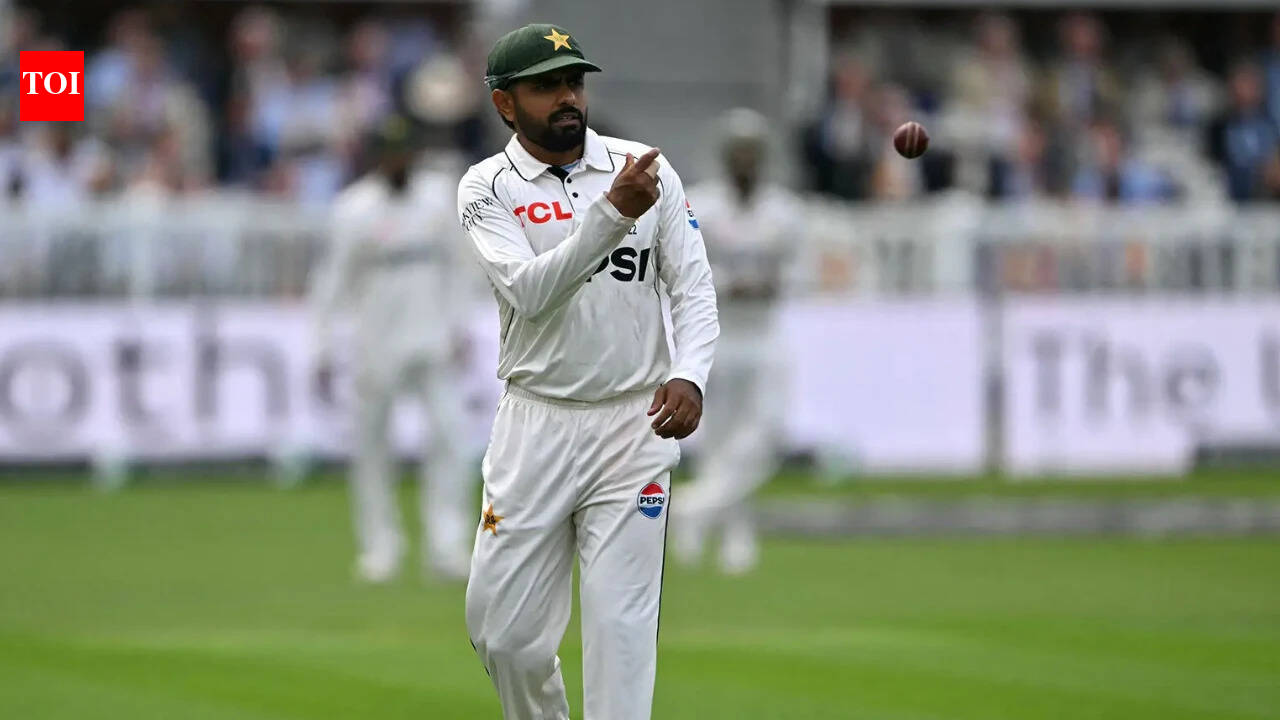
The Pakistan Cricket Board (PCB) faces severe criticism from cricket legends Nasser Hussain and Michael Atherton following a chaotic squad overhaul. The decision to drop seven players and coaching staff mid-series has raised questions about leadership, team integrity, and the future of Babar Azam's captaincy.
The PCB Crisis: A Crisis of Leadership and Stability
The Pakistan Cricket Board (PCB) currently finds itself at the center of a global cricketing controversy following a series of drastic administrative and personnel decisions. After two consecutive Test losses in England, the board opted for a radical restructuring, which included the immediate dismissal of seven players—including senior figures like Mohammad Rizwan, Salman Ali Agha, and Imam-ul-Haq—alongside a coaching staff reshuffle that saw Sarfaraz Ahmed replaced by Mike Hesson. These maneuvers have drawn sharp rebukes from international pundits, most notably former England captain Nasser Hussain, who labeled the board a "laughingstock" for its reactive and destabilizing management style.
Questioning the Integrity of the Squad
At the heart of the controversy is the public treatment of players, specifically the case of Imam-ul-Haq. Following a calf strain sustained during the Lord's Test, the batter was subjected to harsh, televised criticism from Aaqib Javed, the PCB’s director of high performance, who questioned his commitment. Hussain has condemned this public airing of grievances, arguing that such behavior undermines the dignity of the sport and the players involved. By publicly lambasting an injured athlete, the board has arguably signaled a breakdown in the internal culture of the team, fostering an environment of distrust rather than professional accountability.
The Erosion of Babar Azam’s Authority
Beyond the logistical chaos, the board's actions have cast a long shadow over the captaincy of Babar Azam. Michael Atherton has openly questioned Azam's effectiveness and authority in the wake of these sweeping changes. When a board unilaterally removes key personnel mid-series, it effectively strips the captain of the power to shape his own squad and strategy. This dynamic suggests a deep-seated disconnect between the board's administrative decisions and the on-field leadership, leaving Azam in a precarious position as he approaches the final Test in Birmingham.
Historical Context and Institutional Instability
The current situation is emblematic of a recurring theme in Pakistan cricket: the tendency for boards to prioritize reactionary "quick fixes" over long-term strategic development. Historically, the PCB has struggled with institutional stability, often responding to poor performance with wholesale purges rather than addressing systemic issues. This pattern of instability not only affects the players' psychological well-being but also alienates the fanbase and international stakeholders, who view the constant turnover as a lack of professional maturity.
Broader Implications for the Birmingham Test
The appointment of Mike Hesson as coach for the final Test represents a desperate attempt to salvage some credibility for the team. However, the lack of continuity makes success unlikely. By stripping the team of its core veterans and changing the coaching philosophy just days before a pivotal match, the board has created a high-pressure environment where the players are set up for further scrutiny. The upcoming match on September 9 will serve as a litmus test for whether these drastic measures were an attempt at renewal or a final act of organizational mismanagement.
Conclusion: The Future of the PCB
Ultimately, the criticism leveled by voices like Hussain and Atherton highlights a fundamental flaw in the PCB’s current governance. The shift from a performance-based culture to one defined by public blame and sudden, sweeping removals risks damaging the long-term prospects of Pakistan cricket. To regain its standing on the world stage, the board must move away from reactionary "laughingstock" tactics and toward a more stable, supportive, and structured approach to team management.