"Proud Moment For Nation": PM Modi Praises ISRO's GSLV-F17 Rocket Launch
Source Entity
NDTV News Search Records Found 1000
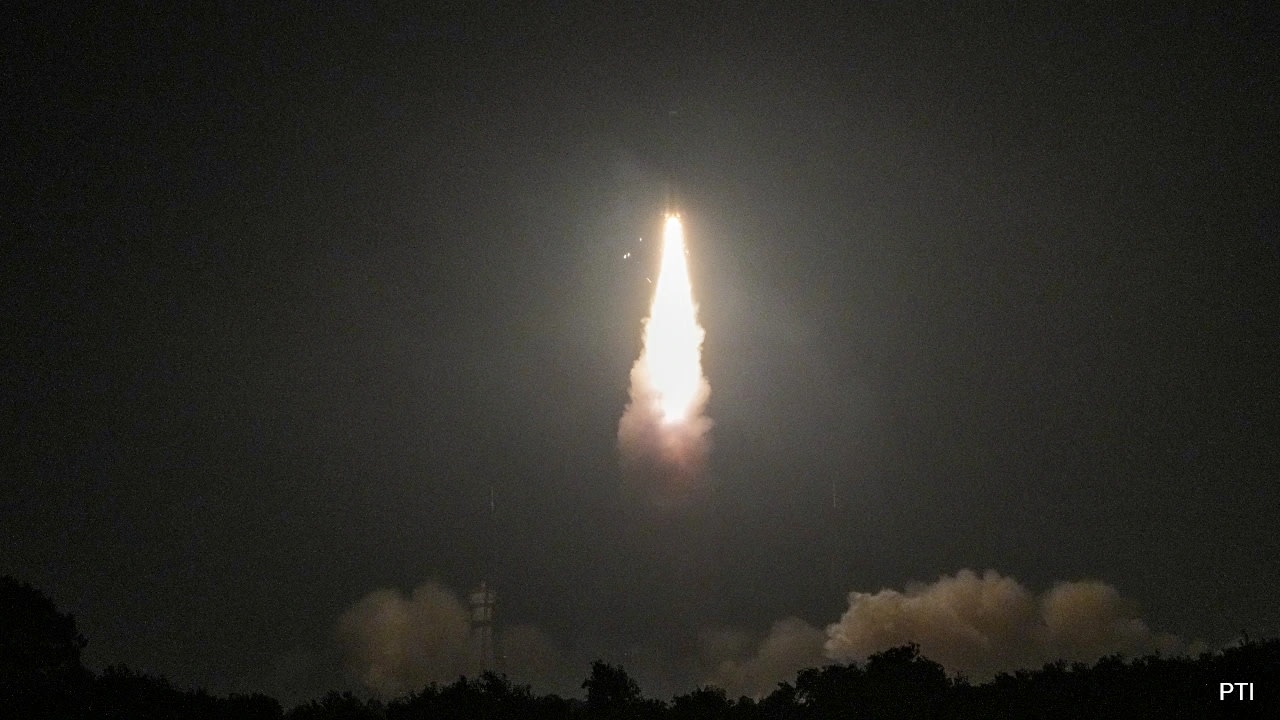
ISRO successfully launched the GSLV-F17 rocket carrying the EOS-05 Earth observation satellite. This mission marks India's first imaging satellite positioned in a geosynchronous orbit to enhance real-time monitoring and disaster management.
India's Strategic Leap in Earth Observation
On September 4, 2026, the Indian Space Research Organisation (ISRO) achieved a significant milestone with the successful launch of the GSLV-F17 mission. The rocket, carrying the advanced Earth Observation Satellite (EOS-05), lifted off from the Satish Dhawan Space Centre (SDSC-SHAR) in Sriharikota. This 19th flight of the Geosynchronous Satellite Launch Vehicle (GSLV) series represents a critical advancement in India’s space-based surveillance and monitoring capabilities.
Technical Precision and Mission Objectives
The mission involved placing a 2,367 kg payload into a Sub-Geosynchronous Transfer Orbit (Sub-GTO). The launch followed a meticulous 27-hour countdown, underscoring the operational readiness and technical maturity of ISRO’s launch infrastructure. By positioning EOS-05 specifically for a geosynchronous orbit, ISRO has enabled the satellite to maintain a fixed position relative to the Earth, facilitating continuous, real-time imaging of designated areas.
Strategic and Societal Implications
While the satellite serves dual-purpose functions, its capacity for real-time imagery is a game-changer for national security and domestic governance. The ability to monitor borders and regional developments continuously provides India with an enhanced 'eye' over neighboring territories. Beyond security, the data generated by EOS-05 is slated to revolutionize sectors such as agriculture, where real-time crop monitoring is vital, and disaster management, where rapid imagery is essential for mitigating the impact of natural calamities.
Strengthening the GSLV Program
The GSLV-F17 mission highlights the reliability of India's heavy-lift launch capabilities. As the 19th flight of the GSLV, the mission demonstrates consistent improvements in launch vehicle performance. The successful integration of the satellite on the Second Launch Pad and the precise execution of the ascent at 2:55 AM validate the rigorous engineering standards maintained at the SHAR facility.
Future Trends in Indian Space Exploration
This launch marks a pivot toward more specialized, geosynchronous-based Earth observation. As India continues to expand its satellite constellation, the transition from Low Earth Orbit (LEO) imaging to persistent, high-altitude geosynchronous monitoring will likely become a standard for future missions. This shift not only bolsters India's autonomous capabilities in space but also positions the nation as a formidable player in global satellite-based data services and regional security monitoring.
Multiple Citing Sources
Verification Required?