The world’s first triple 200-megapixel camera phone is great
Source Entity
Dominic Preston
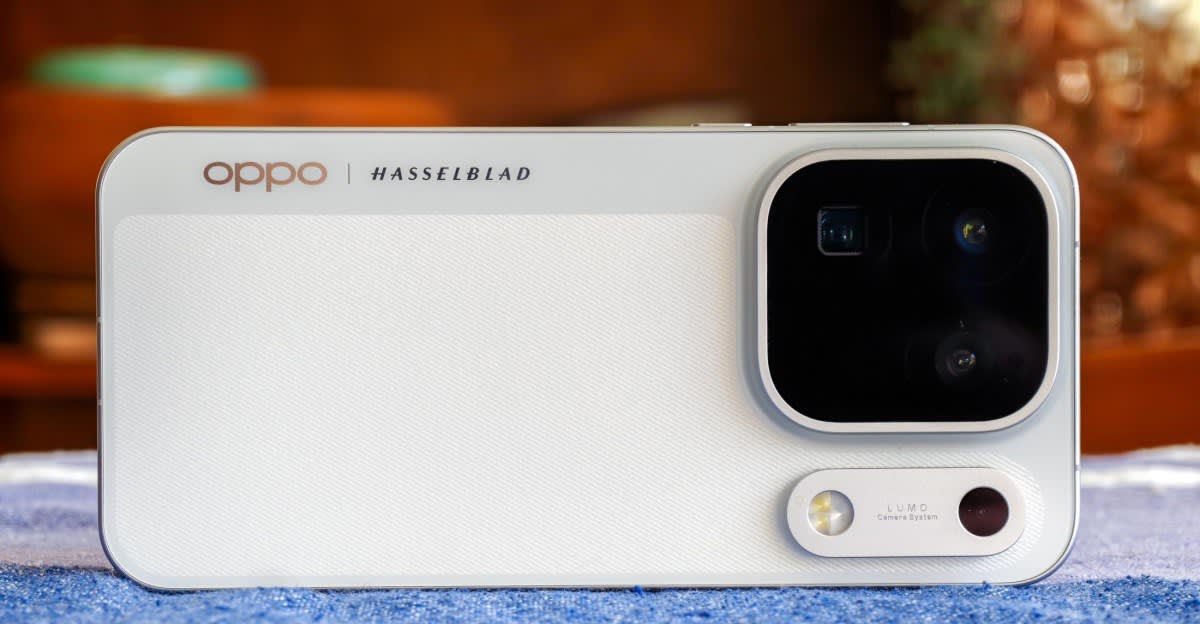
OPPO has launched its Find X10 series, featuring the Find X10 Pro Max, the world's first smartphone equipped with a triple 200-megapixel camera system. The device aims to set a new benchmark for mobile photography alongside advancements in agentic AI and battery technology.
The Evolution of Mobile Photography: OPPO’s Triple 200MP Milestone
The smartphone industry has reached a new threshold of hardware innovation with the official debut of the OPPO Find X10 series. Central to this launch is the Find X10 Pro Max, which distinguishes itself as the world’s first smartphone to integrate a triple 200-megapixel camera array. This engineering feat represents a significant shift in mobile optics, moving beyond the traditional reliance on a single high-resolution primary sensor toward a system where resolution parity exists across multiple focal lengths.
Contextualizing the Megapixel Race
To understand the significance of the Find X10 Pro Max, one must look at the recent trajectory of sensor technology. The 200-megapixel era began in 2022 with the Moto X30 Pro, which established the initial viability of ultra-high-resolution mobile sensors. The evolution continued with the Vivo X300 Ultra, which successfully implemented a dual 200-megapixel setup for both main and telephoto lenses. OPPO’s latest move to include a 200-megapixel ultra-wide sensor completes the trifecta, aiming to provide consistent image quality regardless of the chosen perspective.
Engineering vs. Marketing: The Technical Reality
While critics often debate whether such high resolutions are mere marketing hyperbole, the technical reality is more nuanced. High-resolution sensors are not just about raw pixel count; they enable advanced pixel-binning techniques that improve low-light performance and digital zoom capabilities. By utilizing the new 'LUMO Image Engine,' OPPO is attempting to bridge the gap between technical output and the aesthetic quality of human memory, suggesting that the software processing behind these sensors is just as critical as the hardware itself.
The Ecosystem Approach
OPPO’s strategy extends beyond the camera module. The Find X10 series launch is part of a broader ecosystem rollout that includes a new tablet and wireless earbuds. This 'connected experience' strategy mirrors current industry trends where manufacturers seek to lock users into a cohesive hardware loop. By coupling the high-end camera hardware with 'agentic AI' and increased battery capacity, OPPO is positioning the Find X10 Pro Max as a productivity and creativity powerhouse rather than just a photography tool.
Industry Implications and Future Trends
This release sets a rigorous tone for the upcoming flagship cycle. As brands compete to dominate the premium market, the shift toward multi-sensor high-resolution arrays may become the new standard for flagship devices. The integration of agentic AI—which implies a more autonomous, proactive software layer—suggests that the next frontier for mobile devices will be the transition from passive tools to active assistants that understand user intent behind the lens.
Conclusion
In summary, the OPPO Find X10 Pro Max represents a calculated leap in smartphone hardware. While the utility of triple 200-megapixel sensors will be tested by real-world usage, the device stands as a testament to the current obsession with hardware specification as a differentiator. Whether this leads to a permanent shift in mobile photography remains to be seen, but for now, OPPO has successfully claimed a unique position in the competitive landscape of premium consumer technology.
Multiple Citing Sources