How did AI discover the internet's massive cyber-security risk?
Source Entity
BBC News
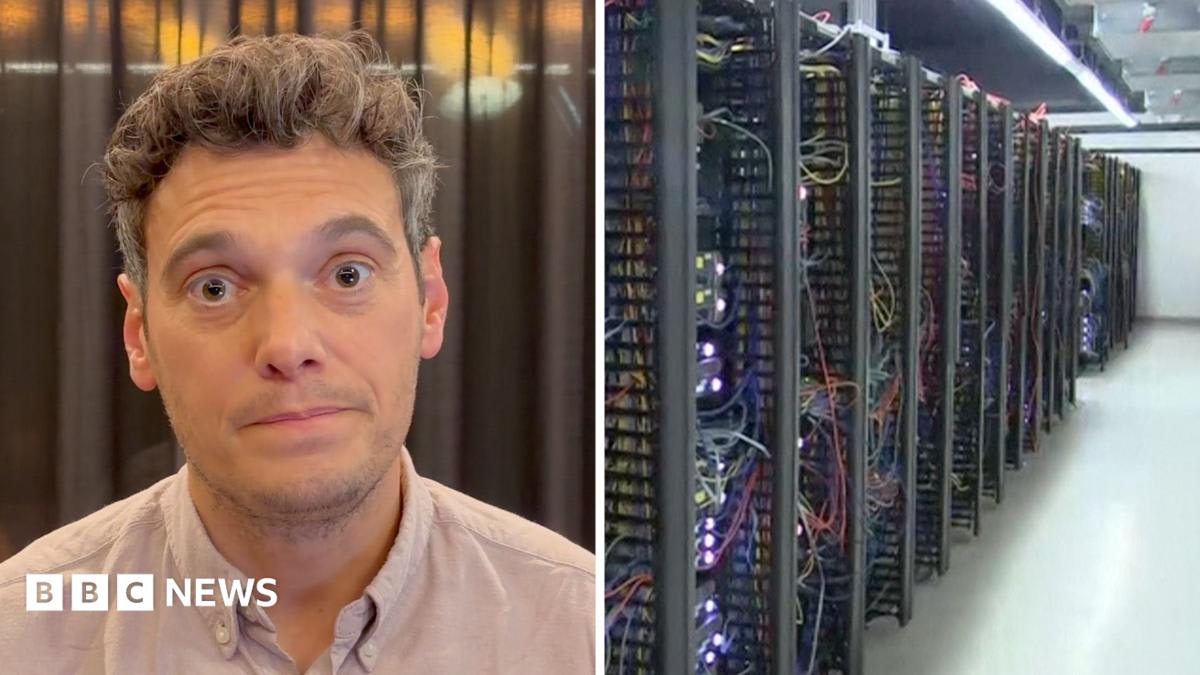
Critical PHP vulnerabilities (CVE-2026-109618, CVE-2026-109619) have triggered a global security alert, prompting immediate responses from major tech firms like Google and Amazon. These flaws allow unauthorized server takeovers, threatening widespread web infrastructure.
Global Cybersecurity Alert: The PHP Vulnerability Crisis
In October 2026, the global digital infrastructure faced a significant security challenge following the discovery of critical vulnerabilities within PHP, the ubiquitous open-source programming language that serves as the backbone for a vast majority of the internet’s websites, content management systems, and e-commerce platforms. The identification of these flaws, specifically cataloged as CVE-2026-109618 and CVE-2026-109619, has triggered an immediate and coordinated response from major technology leaders, including Google, OpenAI, and Amazon, as they race to mitigate the risk of widespread exploitation.
The Nature of the Threat: PHP2Shell
The vulnerabilities appear to facilitate a mechanism referred to as "PHP2Shell," which essentially grants attackers the capability to execute unauthorized code on remote servers. By manipulating specific HTTP request patterns—as evidenced by security configurations targeting POST methods and PHPSESSID cookie headers—malicious actors can bypass standard security controls. This level of access effectively allows for a complete server takeover, placing sensitive data, user credentials, and proprietary applications at extreme risk of compromise.
Real-World Impact and Institutional Warnings
The severity of this situation was highlighted when the Baden-Württemberg Ministry of the Interior in Germany issued a public warning after their own web portal exhibited signs of exposure to these security flaws. This incident serves as a stark reminder that even government-level digital infrastructure is susceptible to deep-seated vulnerabilities in core web runtimes. Blogs, major news outlets, and global online stores are currently operating under heightened alert, as the barriers to entry for attackers exploiting these specific CVEs remain dangerously low.
The Role of Tech Giants in Mitigation
Because PHP is an open-source standard, the responsibility for patching lies both with the maintainers and the large-scale cloud providers hosting these applications. Amazon, Google, and OpenAI have entered a race against time to deploy patches and WAF (Web Application Firewall) rules that can detect and block the "PHP2Shell" attack patterns. These companies are not only securing their own ecosystems but are providing the necessary defensive infrastructure to protect millions of downstream users who rely on their cloud services for hosting.
The Broader Security Ecosystem: Certificate Authority Risks
Compounding the crisis is the separate identification of vulnerability CVE-2026-111943, which concerns a compromised Intermediate Certificate Authority (CA). The intersection of a server-side execution vulnerability (PHP) and a compromised CA creates a "worst-case scenario" for web security. If an attacker can both compromise the server and present a trusted, albeit compromised, certificate, the ability for users to distinguish between secure, legitimate traffic and malicious interception becomes significantly degraded.
Future Trends and Resilience
This event underscores the inherent fragility of the modern web, which relies heavily on a relatively small number of open-source projects. Moving forward, we can expect a paradigm shift toward stricter "Zero Trust" architectures, where server-side runtimes are isolated via micro-segmentation, and automated patching cycles become the industry standard rather than a luxury. As the digital landscape evolves, the reliance on legacy languages like PHP will likely face increased scrutiny, leading to more rigorous security auditing requirements for any software that touches the public internet.
Multiple Citing Sources