‘Call it classist’: Cricket can be dangerous in Asian Games, says former India batter
Source Entity
The Indian Express
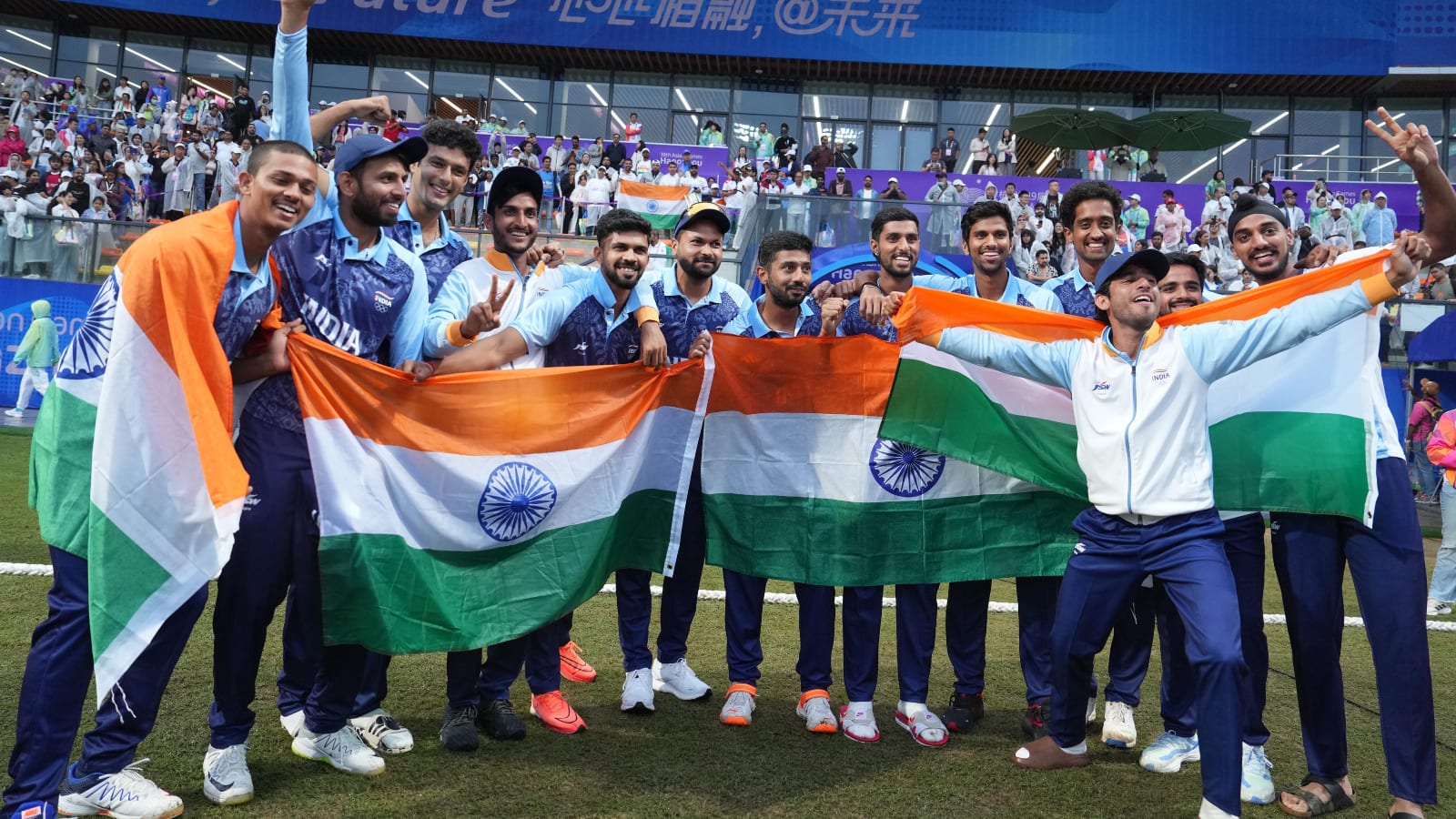
Former India batter Aakash Chopra has raised concerns regarding the safety of cricket pitches at the 2026 Asian Games. He criticized the use of re-purposed venues and hybrid pitches, questioning the sport's overall relevance in multi-sport continental events.
The Safety and Relevance Debate of Cricket at the Asian Games
The Growing Concerns Over Pitch Integrity
As the cricketing world looks toward the 2026 Asian Games in Japan, the sport faces significant scrutiny regarding infrastructure and player safety. Former Indian cricketer Aakash Chopra has emerged as a vocal critic, highlighting the risks associated with the Kōrogi Sports Park in Nisshin. The facility, which was recently re-modeled from a baseball ground, raises immediate concerns about the quality and testing of the playing surfaces. When cricket is integrated into multi-sport events, the transition of venues often leads to compromised conditions that may not meet the high-performance standards required for professional athletes.
Challenges of Re-purposed Infrastructure
The decision to utilize a converted baseball facility at Kōrogi Sports Park underscores a broader challenge for cricket in non-traditional markets. With construction concluding only in late March, the timeline for settling the hybrid pitch square is remarkably tight. Hybrid pitches, while durable, require careful maturation and professional maintenance to ensure consistent bounce and pace. Chopra’s warning regarding the 'dangerous' nature of these surfaces stems from the potential for unpredictable ball behavior, which poses a direct physical threat to batters and increases the likelihood of injury during high-intensity matches.
The Question of 'Classism' and Sport Inclusion
Beyond physical safety, Aakash Chopra has invoked the term 'classist' to describe the ongoing discourse surrounding cricket's presence at the Asian Games. This reflects a growing sentiment that the sport’s inclusion—often driven by commercial interests and television markets—may be forcing it into environments where the necessary specialized infrastructure is lacking. By pushing for cricket in regions where the sport lacks deep-rooted stadium history, organizers risk undermining the integrity of the game and, more importantly, the safety of the participants involved.
Historical Precedents and Future Trends
The 2023 Asian Games served as a pilot for many of these logistical issues, where pitch quality was frequently a point of contention. The 2026 iteration in Japan appears to be grappling with the same growing pains. If cricket is to become a permanent fixture in the continental multi-sport calendar, governing bodies must move beyond simply 'making do' with re-purposed grounds. Future trends suggest that if player safety continues to be compromised by hasty facility conversions, there will be mounting pressure from player unions and former professionals to mandate higher standardized requirements for all venues.
Concluding Perspectives on Professional Standards
Ultimately, the criticism leveled by Aakash Chopra serves as a necessary check on the rapid expansion of cricket into multi-sport events. While the growth of the game is desirable, it cannot come at the expense of player well-being. The transition from baseball to cricket at the Kōrogi Sports Park remains a focal point for this debate, highlighting the urgent need for a balance between the sport's global outreach and the preservation of professional-grade playing conditions.