Landslides Hit Nainital Villages, Homes At Risk As Rain Continues
Source Entity
NDTV News Search Records Found 1000
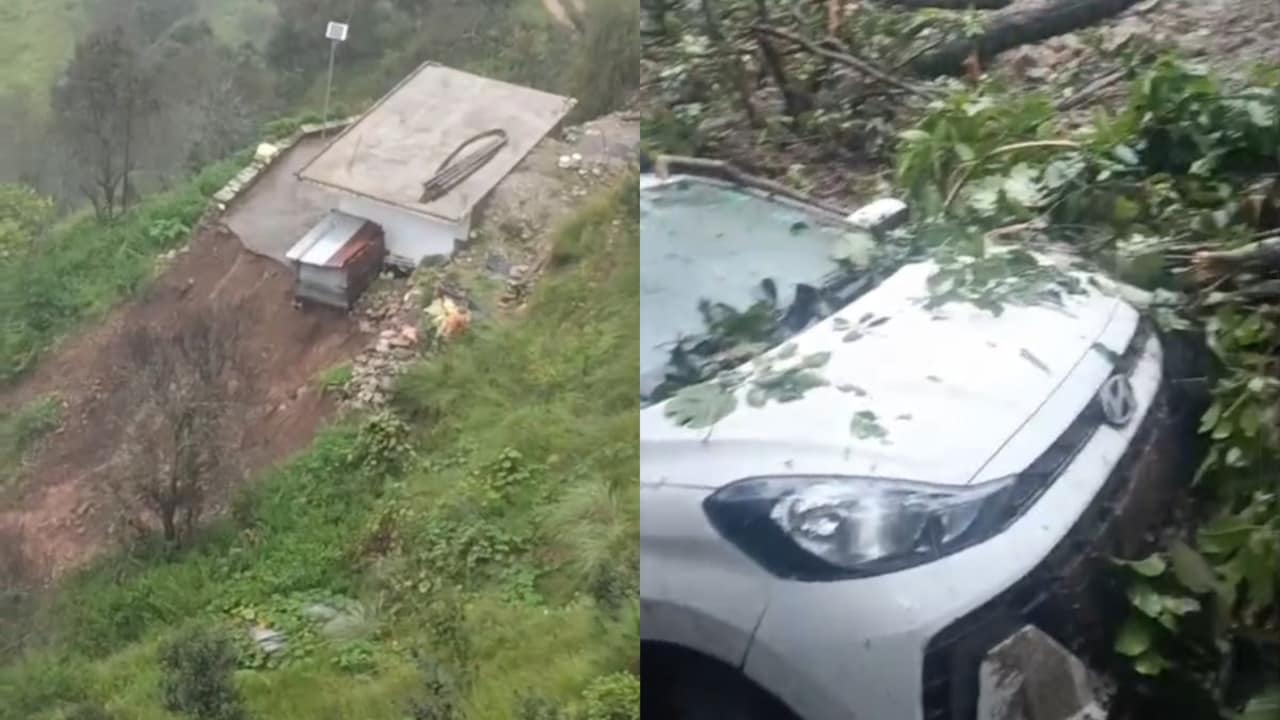
Severe weather conditions across India have triggered landslides in Uttarakhand and flooding in West Bengal. Meteorological alerts remain in place as heavy rainfall continues to threaten infrastructure and public safety.
Weather Extremes Grip India: Landslides and Floods
Recent meteorological reports indicate a period of intense instability across India, with heavy rainfall causing significant distress in both Uttarakhand and West Bengal. In the Himalayan region, the situation has escalated into a humanitarian and environmental crisis, as relentless precipitation triggers landslides that directly threaten the structural integrity of homes in various Nainital villages.
The Uttarakhand Crisis: A Fragile Landscape
The vulnerability of the Himalayan ecosystem is being tested by extreme weather patterns, leading to a tragic toll of 12 deaths reported in Uttarakhand over the last 24 hours. The Meteorological Department has maintained a high-alert status, warning of heavy to very heavy rainfall in at least three districts. This precarious situation underscores the ongoing challenge of managing infrastructure in regions prone to seismic and geological shifts, exacerbated by unpredictable climate events.
Urban Inundation in Asansol
Simultaneously, the eastern state of West Bengal is grappling with its own weather-related emergency. In Asansol, continuous rainfall has resulted in widespread waterlogging, effectively paralyzing normal life for residents. Specific localities, including Dildarnagar, Ramkishan Dangal, and Chandmari, are currently facing flood-like conditions, highlighting the limitations of urban drainage systems in the face of sustained, high-volume precipitation.
Broader Implications and Infrastructure Risks
These events are part of a larger, systemic challenge regarding disaster preparedness in India. When weather patterns shift toward extreme intensities, the margin for error in urban planning and rural development narrows significantly. The damage reported in both hilly terrains and urban lowlands suggests that current infrastructure is struggling to cope with the increased frequency and severity of monsoon-related events.
Future Trends and Resilience
Looking ahead, it is clear that environmental resilience must become a priority. The combination of landslides in the north and urban flooding in the east serves as a critical indicator for policymakers. Future trends suggest that if these climate-driven weather patterns continue, significant investments in early-warning systems, soil stabilization, and improved water management will be essential to mitigate future loss of life and property.
Conclusion
The current situation remains critical, with ongoing rain alerts serving as a reminder of the volatility of the present weather cycle. As authorities work to manage the immediate impact of the landslides and flooding, the necessity for a long-term, data-driven approach to disaster management remains the most urgent takeaway from these events.
Multiple Citing Sources
Verification Required?