‘There is no logic, selection committee, or play’: Danish Kaneria
Source Entity
The Indian Express
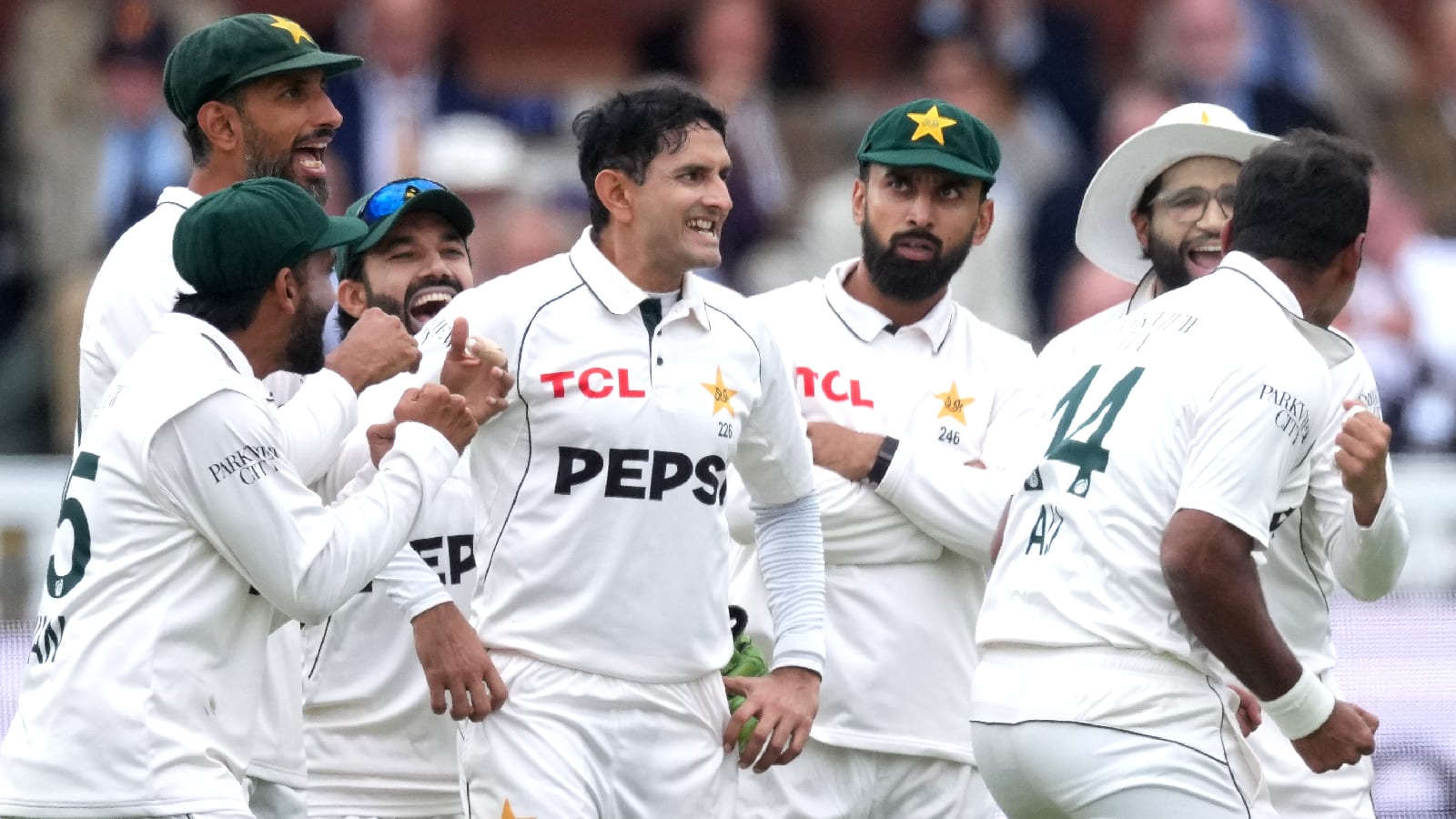
Former Pakistani cricketers have criticized the PCB's recent radical team overhaul following a disastrous series against England. Experts argue that leadership rifts and systemic failures, rather than just player changes, are the root causes of the national team's decline.
The Crisis in Pakistan Cricket: A Structural Collapse
Pakistan cricket is currently facing a period of intense scrutiny and instability following a disastrous Test series defeat to England. The national team’s recent performances have sparked a firestorm of criticism from former players, who argue that the team is suffering from more than just a lack of form. The consensus among critics is that the rot is deeply embedded in the administrative and cultural fabric of the sport.
The Impact of Internal Leadership Rifts
Former batter Basit Ali has pointed toward a toxic internal environment, specifically citing an alleged rift between star players Babar Azam and Shaheen Afridi regarding the captaincy. This friction is believed to have fractured the team's unity, directly impacting on-field results. The volatility surrounding the leadership position since the 2023 ODI World Cup has created an atmosphere of uncertainty that has trickled down to the performance of the squad.
Administrative Overhaul or Impulsive Panic?
In the wake of the series loss, the Pakistan Cricket Board (PCB) has initiated a massive restructuring, removing several players and coaches. However, former PCB chairman Ramiz Raja has slammed these actions as an impulsive "panic button" response. Raja argues that simply cycling through personnel without a coherent long-term strategy is an ineffective way to address the systemic issues plaguing the national side.
Beyond Personnel: The Call for Structural Reform
Former spinner Danish Kaneria has taken a harsher stance, characterizing the current state of Pakistan cricket as a "shame after 70 years." Kaneria contends that the problems extend far beyond the playing XI. He emphasizes that the domestic cricket system, coaching standards, and selection processes are fundamentally flawed. According to Kaneria, unless there is a complete overhaul of the domestic structure and a culture of accountability is established, the team will remain trapped in this cycle of decline.
The Path Forward: Accountability and Development
To restore Pakistan’s competitive spirit, critics suggest that the focus must shift from reactionary firing to long-term development. This includes investing in robust domestic pathways, appointing experienced technical staff, and ensuring that the board’s decision-making is transparent. Without these structural changes, the current trend of instability and poor performance is likely to persist, leaving the team vulnerable in international competitions like the World Test Championship.
Conclusion
Pakistan cricket finds itself at a critical crossroads. While the PCB attempts to stabilize the ship through personnel changes, the voices of former legends suggest that the solution requires a much deeper, more painful introspection. Until the board addresses the systemic instability, leadership conflicts, and the lack of a strong domestic foundation, the team's struggle for consistency on the global stage will likely continue.
Multiple Citing Sources