Scored 7134 runs, shared best cricketer award with Tendulkar, bribed selectors with ₹10 lakh each, got banned by BCCI
Source Entity
Latest News: Todays Latest News Headlines from India & World | Hindustan Times | Hindustan Times
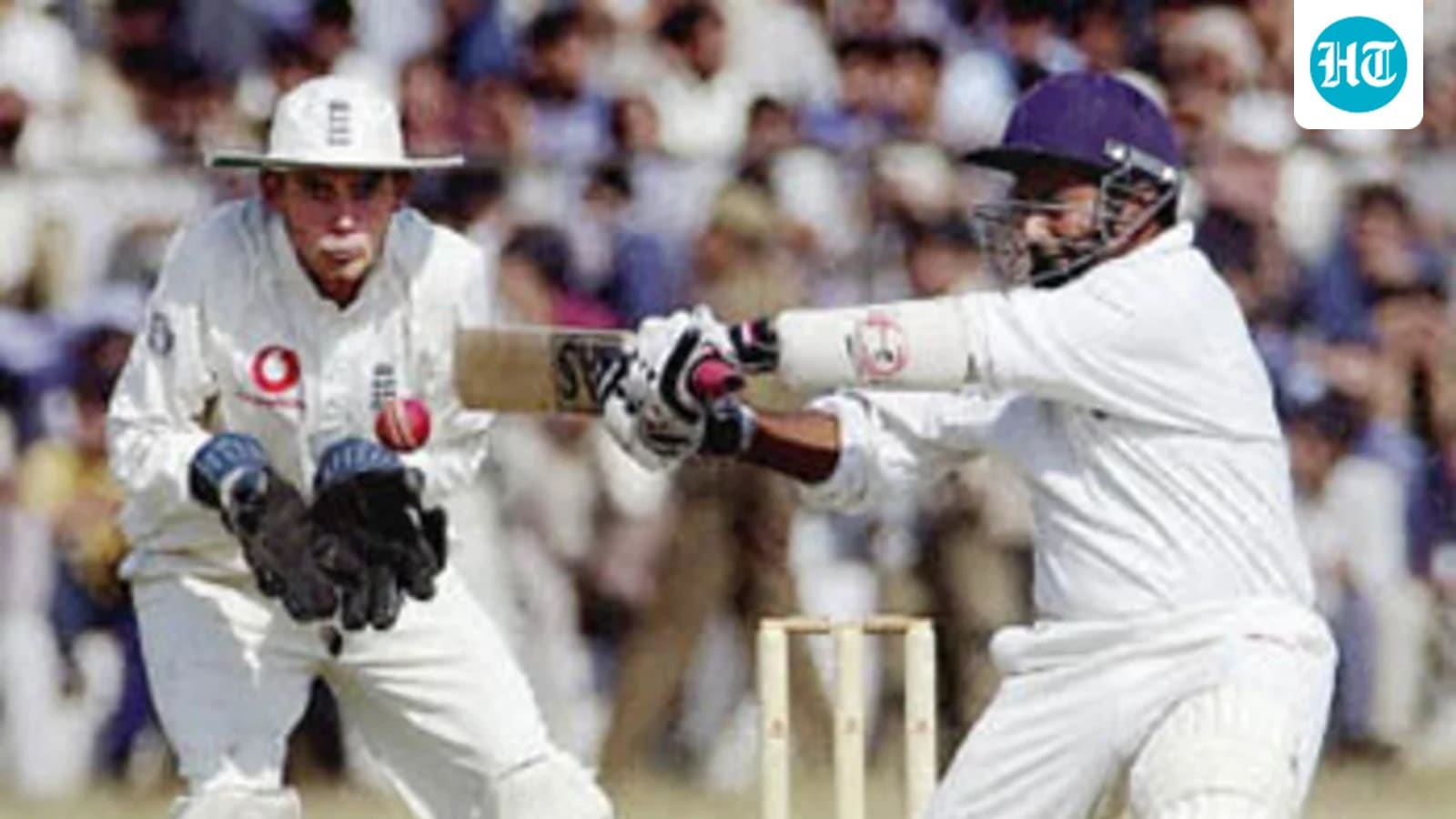
Satyajit Kale was a prolific domestic cricketer who averaged 54.45 with 7,134 first-class runs but saw his India career stall after a single ODI. His journey, marked by brilliance and controversy, serves as a cautionary tale about the complexities of selection and ethics in Indian cricket.
The Rise and Fall of a Domestic Titan: The Satyajit Kale Saga
Satyajit Kale remains one of Indian cricket's most intriguing 'what-if' stories. With a staggering first-class record of 7,134 runs at an impressive average of 54.45, Kale was statistically one of the most prolific batters of his generation. Having shared the 'Best Cricketer' award with the legendary Sachin Tendulkar during their junior cricket days in Bombay, Kale's trajectory was initially aimed at the highest echelons of the sport. Yet, despite his undeniable talent, his international career was relegated to a solitary One Day International (ODI) appearance.
Grit Under Pressure: The Hallmark of a Batter
Kale’s domestic career was defined by his ability to perform when the stakes were at their highest. A defining moment arrived during the 1999-2000 season against Baroda, where he crafted an unbeaten 248. Facing a follow-on and a potential collapse, Kale’s monumental resistance showcased a temperament that is often the hallmark of international-grade players. This ability to absorb pressure and build long, meaningful innings was not an anomaly but a consistent feature of his domestic tenure.
Proving His Worth Against International Quality
By the dawn of the new millennium, Kale’s statistics made him nearly impossible for national selectors to ignore. His performance against England at Jaipur in November 2001 serves as a testament to his technical proficiency. As India A crumbled to 8 for 4 against a hostile English pace attack featuring Richard Johnson and Andrew Flintoff, Kale stood tall. His gritty 122 accounted for more than half of his team's total, proving that his run-scoring was not merely a product of batting on sub-par domestic tracks but a result of genuine skill against high-quality bowling.
The Shadow of Controversy
Despite his on-field heroics, Kale's career was tragically overshadowed by severe ethical breaches. Reports indicating that he attempted to bribe selectors with ₹10 lakh each ultimately led to a ban by the BCCI. This dark chapter not only halted his ascent but also cast a long shadow over his achievements, serving as a stark reminder of the pressures and temptations inherent in the hyper-competitive ecosystem of Indian domestic cricket.
Broader Implications and Legacy
The case of Satyajit Kale highlights the fragile intersection of talent, opportunity, and integrity. While his average of 54.45 places him among the elite of domestic performers, his story underscores that technical brilliance alone is insufficient to sustain a career in the high-stakes world of professional sports. His trajectory reflects the systemic challenges selectors face in balancing raw performance metrics with the necessity for institutional integrity, leaving a legacy that serves as both a lesson and a cautionary tale for aspiring athletes.
Verification Required?