Pakistan players had no idea: Family messages revealed PCB's 'frustration' had exploded into 'full-blown upheaval'
Source Entity
Latest News: Todays Latest News Headlines from India & World | Hindustan Times | Hindustan Times
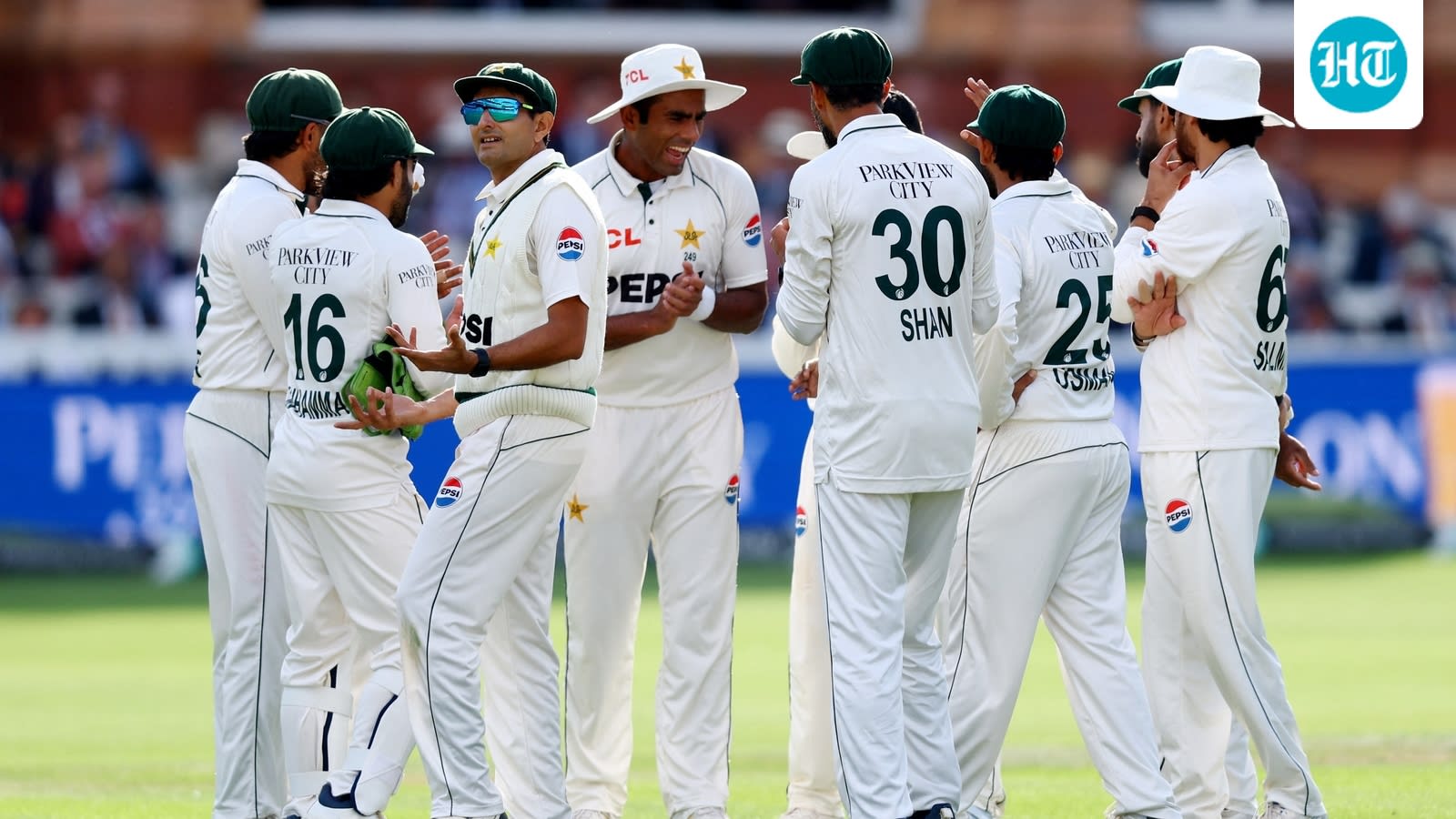
The Pakistan Cricket Board has initiated a radical overhaul of its Test squad and coaching staff following a disastrous 2-0 series loss to England. Seven players and two coaches were dismissed, with white-ball staff stepping in to manage the final Test.
The Collapse of Pakistan’s Test Cricket Infrastructure
The Pakistan Cricket Board (PCB) has initiated a dramatic and unprecedented restructuring of its national Test squad following a crushing 194-run defeat at Lord’s. This loss, which handed England an unassailable 2-0 series lead, served as the catalyst for what can only be described as a full-blown upheaval within the organization. The decision to drop seven prominent players—including Mohammad Rizwan, Imam-ul-Haq, and Salman Agha—signals a profound loss of confidence in the current generation of Test cricketers.
A Sudden and Shocking Transition
The scale of the purge caught many within the team off guard, with players reportedly expressing disbelief and shock upon receiving the news. By removing seven players and replacing them with a mix of Saim Ayub, Abdullah Fazal, and five uncapped prospects, the PCB is effectively signaling a total rebuild. The dismissal of head coach Sarfaraz Ahmed and bowling coach Umar Gul, replaced by white-ball counterparts Mike Hesson and Ashley Noffke for the third Test in Birmingham, further underscores the desperation within the board to stem the bleeding after a string of poor performances.
Contextualizing the WTC Struggles
This series defeat represents the sixth loss for Pakistan in the current World Test Championship (WTC) cycle, a statistic that highlights a systemic decline in performance. Pakistan cricket, once feared as a world-beating force, has struggled with consistency and tactical discipline across all formats for years. The current upheaval is not merely a reaction to a single series, but a response to a long-term trend of diminishing returns in the longest format of the game.
Historical Parallels and Strategic Risks
Comparisons have been drawn to India’s 2014 tour of England, where mid-tour coaching changes—specifically the introduction of Ravi Shastri—were employed to stabilize a faltering squad. However, the PCB's move is far more radical in scope, affecting both the playing XI and the backroom staff simultaneously. Whether this 'shock therapy' approach will yield results in the final Test on September 9 remains highly speculative, as the integration of five uncapped players on such short notice introduces significant tactical risk.
Broader Implications for Pakistan Cricket
The removal of white-ball coaches Hesson and Noffke to manage the Test team raises questions about the long-term vision of the PCB. By blurring the lines between formats, the board may be prioritizing immediate damage control over specialized coaching development. The 'panic button' nature of these changes suggests that the PCB is under immense pressure from stakeholders and fans to restore the reputation of the national side.
Looking Ahead: Can Stability Be Restored?
As the team prepares for the final match in Birmingham, the immediate future of Pakistan cricket remains precarious. The reliance on uncapped talent reflects a lack of depth in the current pool, and the instability in the coaching ranks could hinder the players' ability to adapt to English conditions. If this gamble fails, it may lead to further institutional instability, potentially delaying the long-term recovery needed to restore Pakistan to its former status as a premier Test-playing nation.
Verification Required?