Hat-trick on debut, 87 wickets in a season; India pacer's 156 kph bullet beat Allan Donald, but speed went unrecorded
Source Entity
Latest News: Todays Latest News Headlines from India & World | Hindustan Times | Hindustan Times
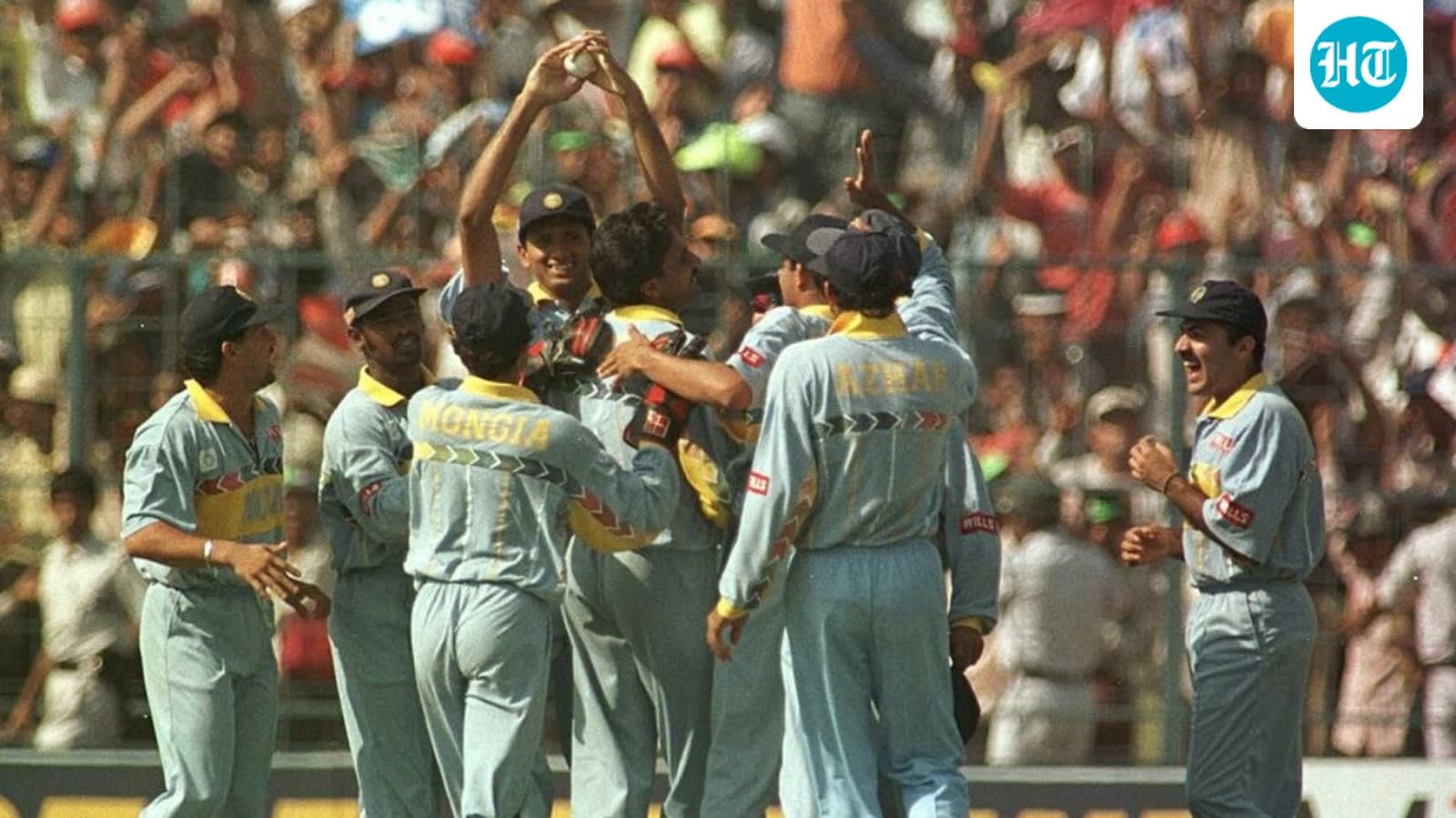
A retrospective look at a pioneering Indian pacer who paved the way for the current generation of speedsters. His raw pace and historic performances in the 1990s set a benchmark for future Indian fast-bowling excellence.
The Unsung Pioneer of Indian Pace
In the modern era of cricket, Indian bowling is synonymous with speed, with stars like Umran Malik, Mayank Yadav, and Jasprit Bumrah regularly clocking speeds exceeding 150 kph. However, the current dominance of Indian fast bowling is not a sudden phenomenon but the culmination of a decades-long evolution that began with a lanky, formidable pacer in the early 1990s. This athlete challenged the prevailing narrative that India was exclusively a nation of spinners, proving that Indian bowlers could match the world's most fearsome speedsters.
Breaking the Myth of Indian Slow Bowling
The early 1990s represented a pivotal shift in the DNA of Indian cricket. While the world looked to the Caribbean or Australia for raw pace, this particular bowler emerged as a beacon of aggression. His journey began with a modest start in Australia, taking 10 wickets in five Tests, but he quickly adapted to international conditions. By the time he toured South Africa in 1992, his trajectory was clear: he was evolving into a genuine strike bowler capable of unsettling even the most established batting lineups.
The Apex of Speed and Accuracy
By the mid-1990s, the bowler reached a level of intensity that was considered rare for an Indian cricketer at the time. His ability to produce deliveries that challenged legends like Allan Donald demonstrated that the technical ceiling for Indian pacers was much higher than previously assumed. Although the technology of the era often failed to record his top speeds, those who faced him—or witnessed his spells from the sidelines—recalled a terrifying speed that felt significantly faster than his contemporaries.
A Legacy of 87 Wickets and Beyond
Beyond his raw speed, the pacer’s domestic and international contributions were immense, highlighted by a remarkable 87-wicket season and a historic hat-trick on his debut. These achievements served as a blueprint for future generations. He proved that an Indian pacer could be a match-winner regardless of the surface, thriving in conditions that were traditionally seen as inhospitable to fast bowling.
The Evolution of the Indian Pace Battery
The transition from the 1990s era to the current generation—featuring the likes of Mohammed Shami and Ashok Sharma—is a direct result of the trail blazed by these early pioneers. The tactical shift toward nurturing fast bowlers has transformed India from a spin-dominant side to a well-rounded force. This evolution reflects a broader cultural change in Indian sports, where investment in physical conditioning and pace-focused training has become a standard, moving away from the reliance on natural talent alone.
Conclusion
Looking back at the career of this legendary pacer provides essential context for the current success of Indian cricket. His refusal to conform to the stereotype of the 'medium-pacer' paved the way for the modern battery of fast bowlers. While the record books may lack a digital reading of his fastest ball, his legacy is firmly cemented in the history of the sport as the man who shattered the glass ceiling for Indian fast bowling.
Verification Required?