Heavy rain lashes parts of Delhi-NCR; IMD issues red alert, flights ops hit
Source Entity
ANJALI SINGH
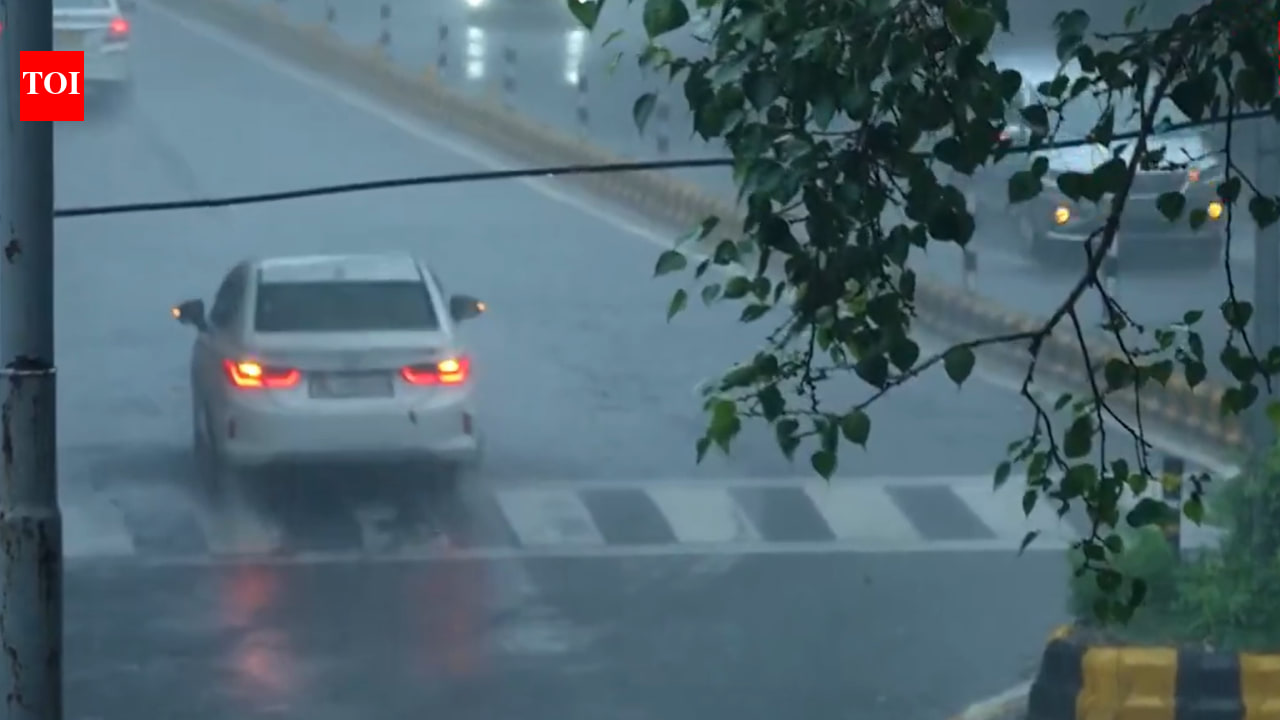
Delhi-NCR faced severe disruptions on Friday as heavy rains and a red alert triggered widespread waterlogging and flight diversions. The extreme weather impacted both public celebrations and major infrastructure, including the Indira Gandhi International Airport.
Delhi Under Siege: Severe Weather Disrupts Capital Infrastructure
On Friday, the National Capital Region (NCR) experienced a dramatic shift in weather as heavy rainfall and powerful thunderstorms swept across the city. The India Meteorological Department (IMD) responded by issuing a red alert, signaling the potential for extreme weather conditions, including gusty winds reaching speeds of up to 60 kmph, lightning, and intense precipitation. This meteorological event significantly hampered daily life, occurring simultaneously with Janmashtami celebrations, which were forced into disarray as residents sought shelter from the sudden deluge.
Infrastructure Vulnerabilities Exposed
The impact of the rainfall was most visibly felt at the Indira Gandhi International Airport, a critical hub for both domestic and international transit. Reports confirm that significant waterlogging around the facility necessitated the diversion of nine flights, with four redirected to Jaipur, four to Lucknow, and one to Ahmedabad. This disruption highlights the ongoing challenges of urban drainage and infrastructure resilience in Delhi, particularly when faced with high-intensity, short-duration extreme weather events that frequently overwhelm existing systems.
Widespread Urban Disruption
Beyond the airport, the city's transport network faced a state of paralysis. Visual documentation from across the capital—including areas such as Connaught Place, Mahipalpur, and South Moti Bagh—captured the severity of the waterlogging. Commuters were forced to navigate flooded roads, while traffic slowed to a crawl, exacerbating the logistical strain on the city. The contrast between the festive spirit of Janmashtami and the chaotic scenes of citizens wading through ankle-deep water underscored the intensity of the storm.
The Broader Context of Preparedness
This weather event comes at a sensitive time for the capital, which is currently in the midst of preparations for the upcoming BRICS summit. The visibility of waterlogged roads and flooded flyovers, such as those near Subroto Park, raises questions regarding the city's readiness to host high-profile international gatherings. The persistence of these infrastructure failures suggests that despite municipal efforts, the capital remains highly susceptible to extreme climate patterns.
Future Trends and Meteorological Outlook
The IMD has cautioned that the weather patterns are characterized by isolated heavy bursts, with some areas potentially receiving between 50-100 mm of rainfall. As climate variability continues to influence regional weather, the frequency of such intense, monsoon-like downpours during the transition months may become a new standard. For a city like Delhi, this necessitates a long-term strategic overhaul of urban drainage and disaster management protocols to ensure that future weather alerts do not lead to the total cessation of essential transport and public services.
Conclusion
In summary, the events of this Friday serve as a stark reminder of the intersection between climate volatility and urban vulnerability. While the immediate focus remains on the logistical recovery of flight operations and traffic flow, the broader implication is a call for more robust infrastructure planning. As Delhi continues to prepare for global events, the need for climate-resilient engineering has never been more urgent.
Multiple Citing Sources