India is more than cows and rubbish Polish woman living in India for 10 years says it is beyond what reels show
Source Entity
Latest News: Todays Latest News Headlines from India & World | Hindustan Times | Hindustan Times
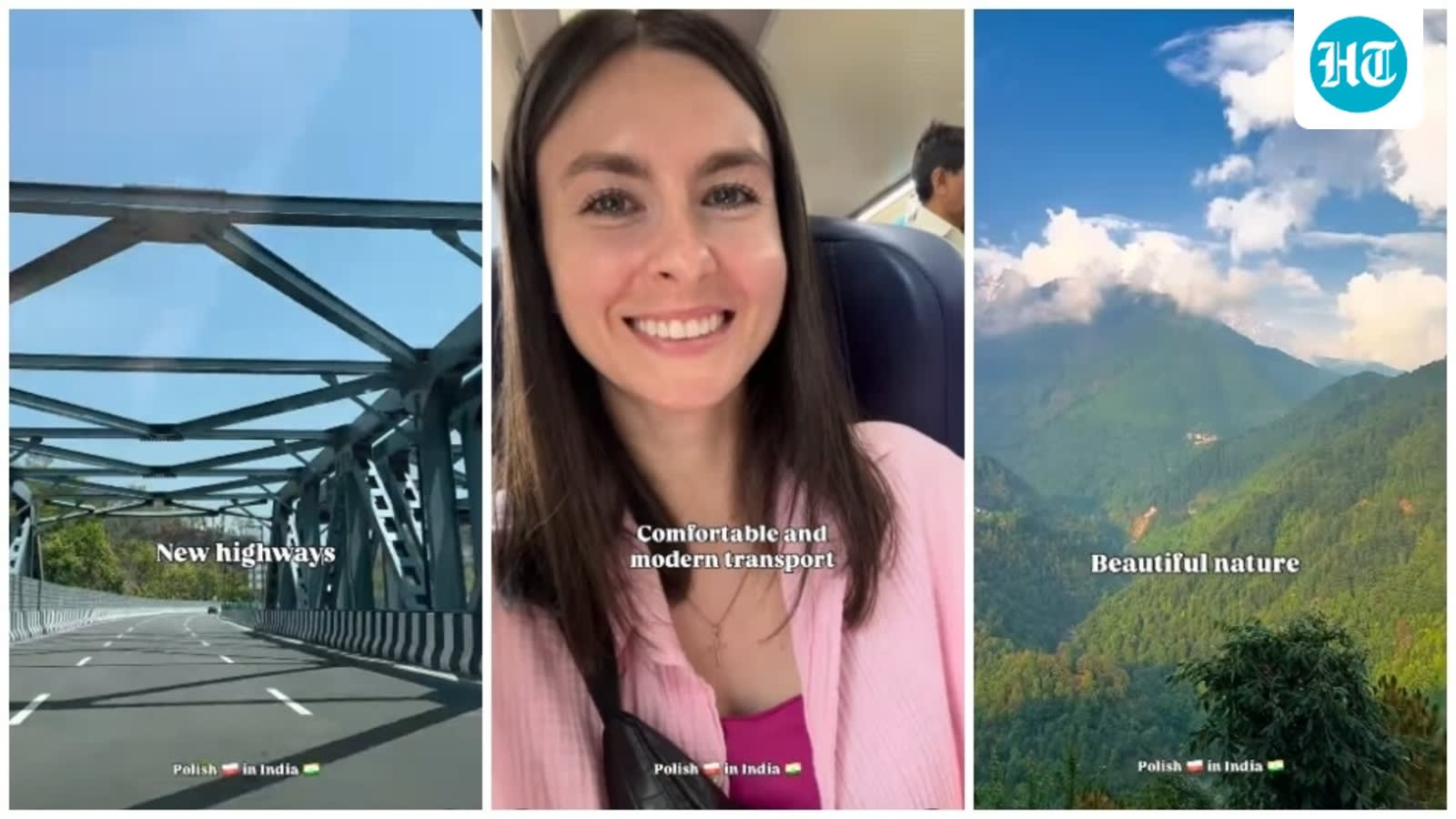
Polish expatriate Dominika Patalas-Kalra challenges negative stereotypes about India, highlighting its modern infrastructure and beauty. She argues that social media trends often prioritize sensationalist content over the country's actual reality.
Redefining the Indian Narrative
For many international observers, the perception of India is often filtered through the lens of viral social media content, which frequently emphasizes chaotic street scenes, overcrowding, and sanitation issues. However, Dominika Patalas-Kalra, a Polish national who has resided in India for a decade, is challenging these reductive tropes. By documenting her lived experience, she posits that the viral 'Instagram vs. Reality' style of content creation often ignores the rapid modernization and cultural depth that define contemporary India.
The Economics of Sensationalism
At the heart of Patalas-Kalra’s critique is the observation that negative imagery—specifically focusing on rubbish or livestock in urban areas—is inherently more 'clickable.' In the attention economy, algorithms tend to amplify content that evokes strong, often visceral, emotional reactions. Consequently, the nuanced beauty of the country, ranging from its sophisticated public transportation networks to its architectural marvels and high-end residential living, is often sidelined by creators seeking viral reach rather than objective documentation.
Infrastructure and Modernization
One of the most significant points raised by Patalas-Kalra is the existence of a modern, efficient infrastructure that contradicts common Western stereotypes. India has seen massive investment in high-speed rail, metro systems, and modern urban planning, which are rarely featured in the superficial clips that dominate global social media feeds. This disconnect between the 'reel' version of India and the actual lived reality underscores a growing trend where travel influencers prioritize shock value over the complexities of a developing nation.
A Decade of Perspective
Living in a foreign country for ten years provides a unique longitudinal perspective that a short-term tourist lacks. Patalas-Kalra’s account serves as a reminder that cultural understanding requires long-term immersion. While she does not deny the existence of challenges within the country, she suggests that focusing solely on them provides an incomplete and biased picture that ignores the nation's rapid economic and social evolution.
Broader Implications for Digital Media
This discourse highlights the broader responsibility of digital content creators in shaping global perceptions. When influencers consistently lean into negative stereotypes for engagement, they foster a distorted reality for their audiences. Patalas-Kalra’s intervention serves as a necessary counter-narrative, encouraging a more balanced approach to travel storytelling that appreciates both the challenges and the remarkable advancements of the Indian subcontinent.
Conclusion
Ultimately, the testimony provided by Dominika Patalas-Kalra serves as a call for more responsible digital storytelling. By contrasting the curated 'rubbish and cows' narrative with the reality of modern, comfortable, and beautiful Indian life, she highlights the importance of looking beyond the surface. As India continues to grow on the global stage, the narratives surrounding it must evolve to reflect its true complexity rather than remaining trapped in outdated, algorithmically-driven tropes.
Verification Required?