Chevron Bets $7 Billion on Venezuela Oil Expansion
Source Entity
Yahoo Finance
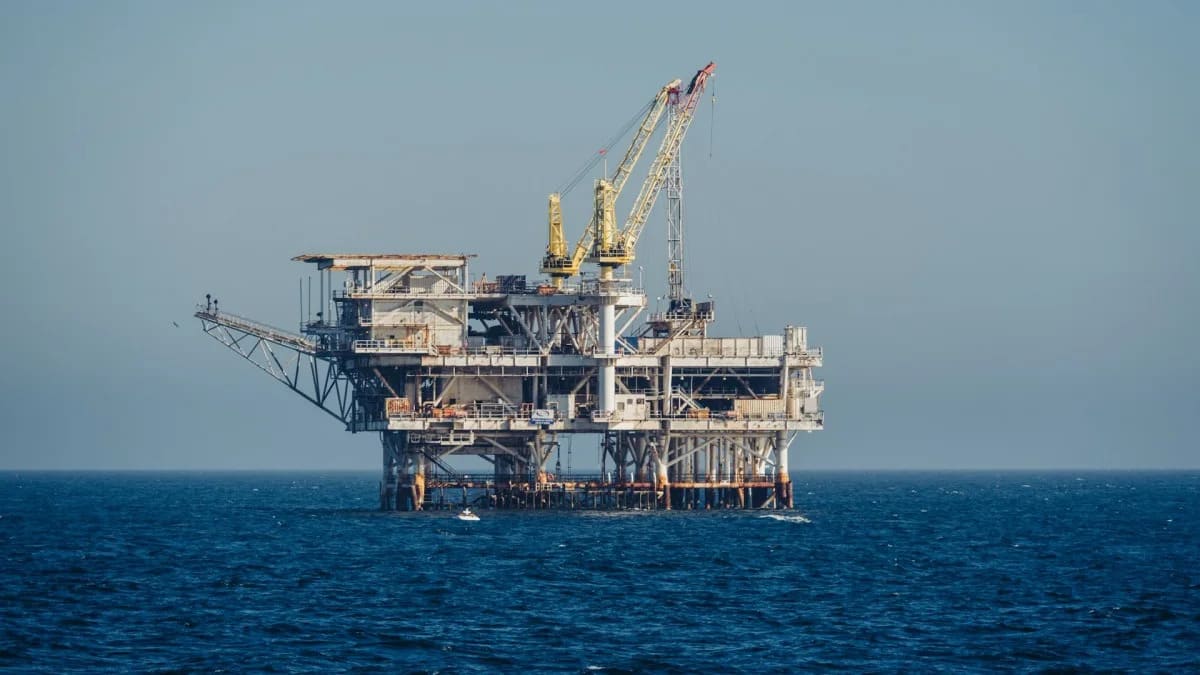
Chevron and Eni are expanding their operations in Venezuela through significant investments and new operational agreements. These moves aim to revitalize Venezuela's struggling oil sector, leveraging updated hydrocarbons laws to increase production capacity.
The Resurgence of Venezuelan Energy: Chevron and Eni Lead the Way
A Strategic Pivot in Global Energy
The energy landscape in Venezuela is undergoing a significant transformation as major international players like Chevron and Eni finalize substantial commitments to revitalize the country's oil production. Chevron has committed to a $7 billion investment over the next five years, aiming to more than double its output to 600,000 barrels per day (bpd). Simultaneously, Italy’s Eni has secured a 25-year contract to become the exclusive operator of the massive Junín-5 field, signaling a shift in how foreign entities engage with Venezuela's vast, yet underutilized, resource base.
Modernizing the Hydrocarbons Framework
The catalyst for these investments lies in Venezuela's reformed hydrocarbons law, which grants foreign firms greater operational autonomy. By moving away from restrictive joint-venture structures—such as the previous Petrojunín model—and toward agreements that allow companies to manage technical and commercial aspects more independently, the Venezuelan government is attempting to lure back capital. Eni’s new role in the Junín-5 field, which holds an estimated 35 billion barrels of oil, exemplifies this shift toward a more investor-friendly environment.
Operational Efficiency and Economic Viability
Chevron’s expansion strategy is underpinned by a focus on cost-efficiency, with production costs targeted at below $20 per barrel. This threshold is critical for the long-term sustainability of projects in the Orinoco Belt, particularly given the volatility of global oil prices. By securing additional acreage, including the Carabobo-1 and Carabobo-2 blocks, Chevron is positioning itself to stabilize its supply chain, with current production already being directed toward the United States market.
Historical Context and Production Challenges
Venezuela’s current production levels, hovering between 1.1 million and 1.2 million bpd, represent a stark decline from the peak of over 3 million bpd achieved in the late 1990s. Years of underinvestment, infrastructure decay, and political volatility contributed to this stagnation. The influx of capital from major energy firms is intended to reverse this trend, though the technical challenges of modernizing aging infrastructure remain a significant hurdle for these companies to overcome.
Broader Implications and Future Outlook
The involvement of Western energy majors in Venezuela has profound implications for global energy security and regional economic stability. By unlocking the potential of the Orinoco Belt, these companies are not only seeking to bolster their own balance sheets but are also participating in a broader effort to re-integrate Venezuela into the global energy market. While the success of these ventures depends on political stability and the continued implementation of favorable legal terms, the scale of these investments suggests a long-term bet on the recovery of the Venezuelan oil industry through 2031 and beyond.