The Great Cooling Pivot
Walk through any major metropolis this August 2026, and you will feel the tension between old infrastructure and a warming atmosphere. For decades, the global response to urban heat was simple: install more air conditioning. But that solution created a vicious feedback loop, pumping waste heat back into the streets and spiking energy grids. Now, we are witnessing a systemic pivot. The narrative has shifted from fighting the heat with power to outsmarting it with physics. We are seeing the emergence of the Breathable City, where architecture acts as a filter rather than a fortress.
The delta between last year's approach and today's is stark. Twelve months ago, passive cooling was often relegated to boutique 'green' projects or academic prototypes. Today, it is being codified into law. The BeCool initiative is a prime example of this acceleration, with five states and 20 cities already adapting their policies based on a new institutional framework. This is not just about adding a few trees to a sidewalk; it is about a fundamental redesign of how buildings interact with the sun and wind to eliminate energy consumption entirely in some instances.
Codifying the Cool: The Tamil Nadu Blueprint
India's southernmost state, Tamil Nadu, has just moved the needle from theory to execution. In June 2026, the state introduced a rigorous Standard Operating Procedure (SOP) for cool roof coating application. Why does a 12-step manual matter? Because the failure of early passive cooling efforts often lay in poor execution and substandard materials. By standardizing everything from planning and material selection to quality assurance, Tamil Nadu is treating heat mitigation as a critical infrastructure project rather than a cosmetic upgrade.
- Precise material selection to maximize solar reflectance
- 12-step application process to ensure coating longevity
- Strict quality assurance protocols for private and public sectors
- Integration of reflective roofs with broader urban planning
"The goal is not just to cool individual buildings, but to permanently embed passive cooling in urban planning and the construction sector."— BeCool Initiative Representative
This shift toward standardization suggests that the 'experimental' phase of climate architecture is over. When a state government mandates a specific SOP for cool roofs, it signals to the private sector that climate-responsive design is now a requirement for operational viability. It transforms a sustainability goal into a regulatory baseline.
While India scales through standardization, other regions are tackling the harder problem of existing, aging infrastructure.
Retrofitting the Old World: The Newport Strategy
In Newport, the challenge isn't building the city of the future, but saving the city of the past. Local officials are now proposing aggressive investments in passive cooling strategies specifically for densely developed neighborhoods where space for new parks is non-existent. The focus here is on the 'invisible' upgrades: improved ventilation, high-performance insulation, and the strategic installation of shade structures. These interventions aim to break the Urban Heat Island effect without requiring the demolition of historic blocks.
The Newport approach highlights a critical reality: the most sustainable building is the one that already exists. By providing incentives for energy-efficient retrofits, the city is attempting to bridge the gap between luxury climate-adaptive homes and the aging housing stock that leaves vulnerable populations exposed. This is where the battle for urban resilience is actually fought—not in the glossy renders of new skyscrapers, but in the insulation of old apartments.
Defining Passive Cooling
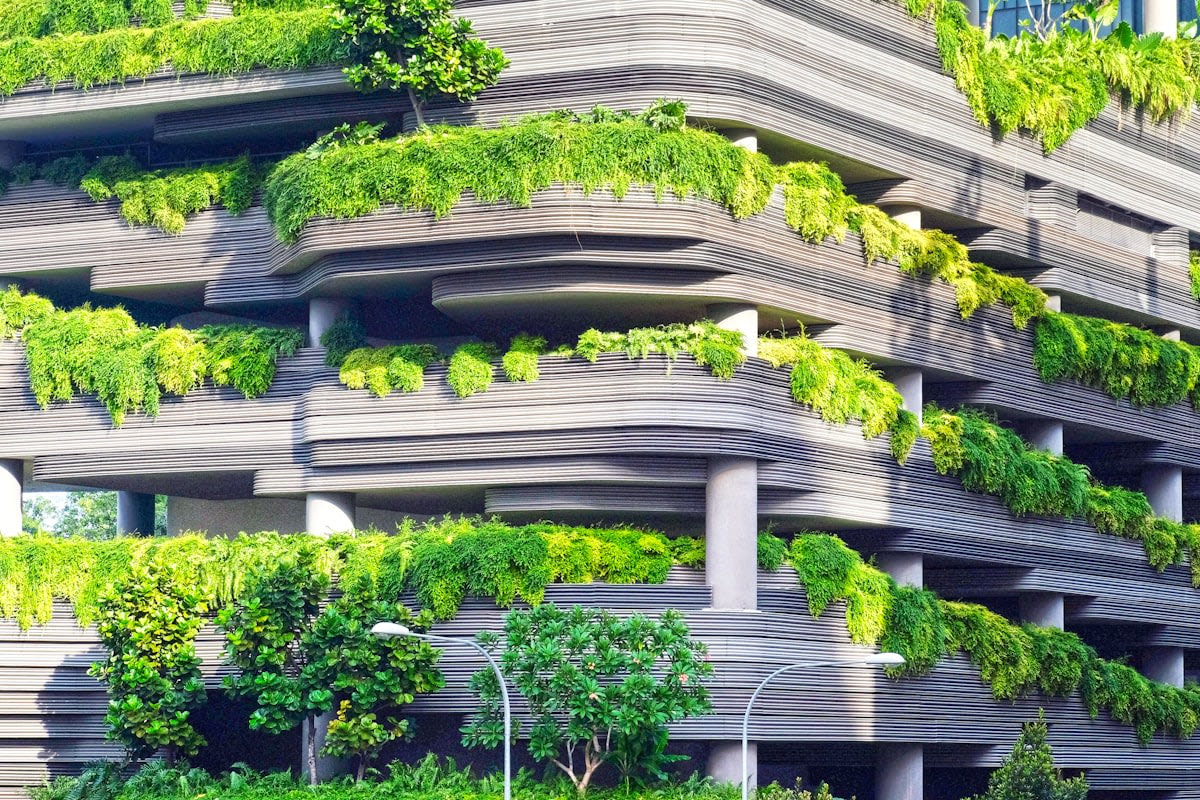
Passive cooling refers to a design approach that keeps buildings cool without using mechanical energy. This includes using shading, natural ventilation, greenery, and reflective materials to prevent heat from entering the building in the first place.
This global movement toward passive design has triggered a secondary effect: a massive talent gap in the professional architecture world.
The Talent War: Architects of the New Climate
Architecture firms are currently scrambling to find professionals who actually understand building performance and climate-responsive design. According to insights from LVI Associates, the demand for architects experienced in passive design is becoming increasingly competitive. Clients across all sectors—from healthcare facilities and universities to commercial developments—are no longer asking for 'green' buildings; they are demanding operational resilience. They want structures that can withstand the intensified heat waves driven by cycles like El Niño.
The toolset for these architects has also evolved. We have moved beyond simple blueprints to high-fidelity digital modeling. By utilizing data from the Copernicus Climate Change Service, designers can now simulate how a building will perform not just in today's weather, but under projected climate scenarios for the next twenty years. This allows for 'future-focused' design decisions, ensuring that a building constructed in 2026 remains viable in 2046.
| Feature | Active Cooling (Traditional) | Passive Design (Modern Trend) |
|---|---|---|
| Primary Mechanism | Mechanical HVAC / Refrigerants | Shading, Ventilation, Reflectivity |
| Energy Impact | High consumption, waste heat output | Low to zero additional energy |
| Implementation | Add-on technology | Embedded in structural design |
| Climate Response | Reactive (turns on when hot) | Proactive (prevents heat entry) |
However, the most extreme pressure is not being felt in residential housing, but in the invisible backbone of the digital economy.
Mission-Critical Heat: The Data Center Dilemma
Data centers are the most heat-sensitive structures on earth. As El Niño intensifies global temperatures, these facilities face a double-edged sword: they generate massive internal heat while fighting external heat waves. This has made data center architecture a primary frontier for climate-responsive design. The industry is shifting away from massive, power-hungry cooling plants toward designs that leverage natural airflow and advanced thermal massing.

The integration of Copernicus data into data center planning is a game-changer. By understanding the specific 'Omega Block' weather patterns or heat dome risks of a region, firms can design facilities that don't just survive a heatwave but maintain peak operational performance without crashing the local power grid. This is the ultimate test of the Breathable City: can we keep our digital infrastructure alive without boiling our physical environment?
The shift we are seeing across Tamil Nadu, Newport, and the global architecture market is a move toward humility. We are stopping the attempt to dominate the environment with electricity and starting to collaborate with it through design. The Breathable City isn't a utopia; it's a pragmatic necessity.