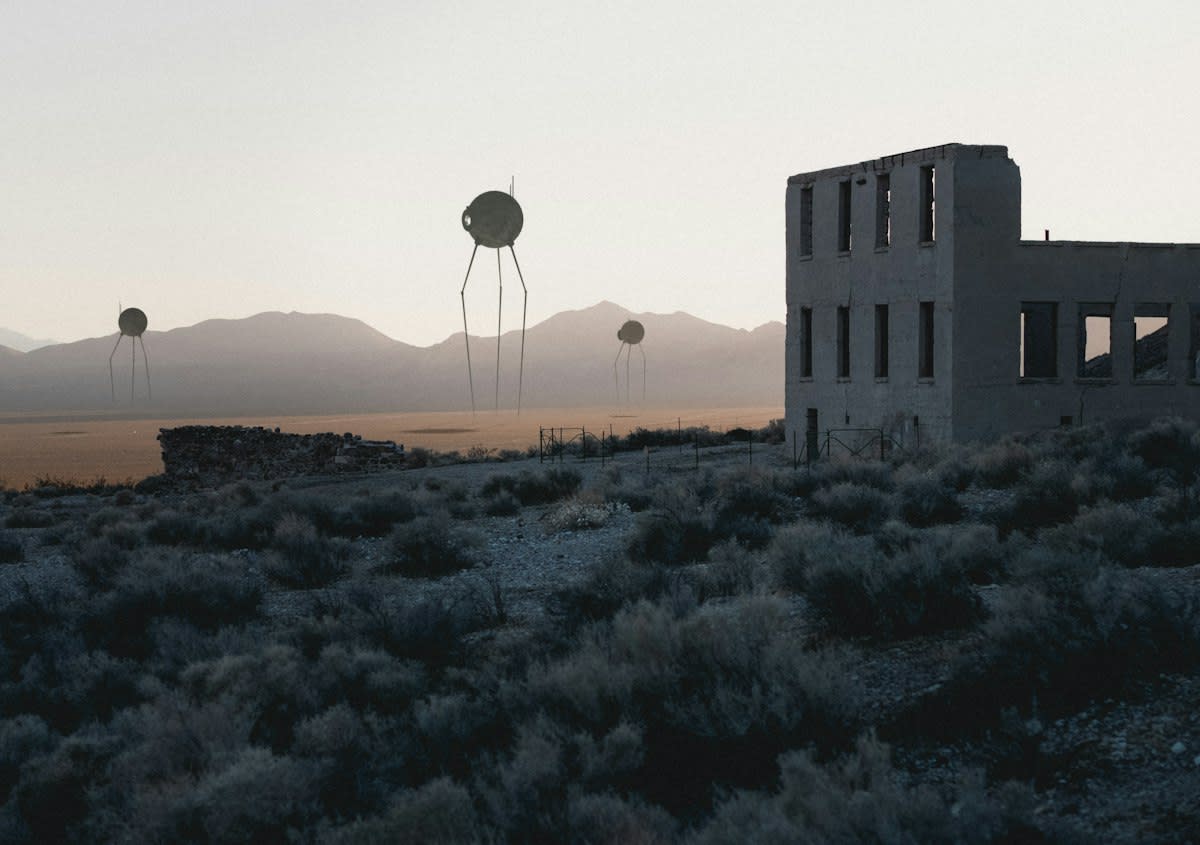
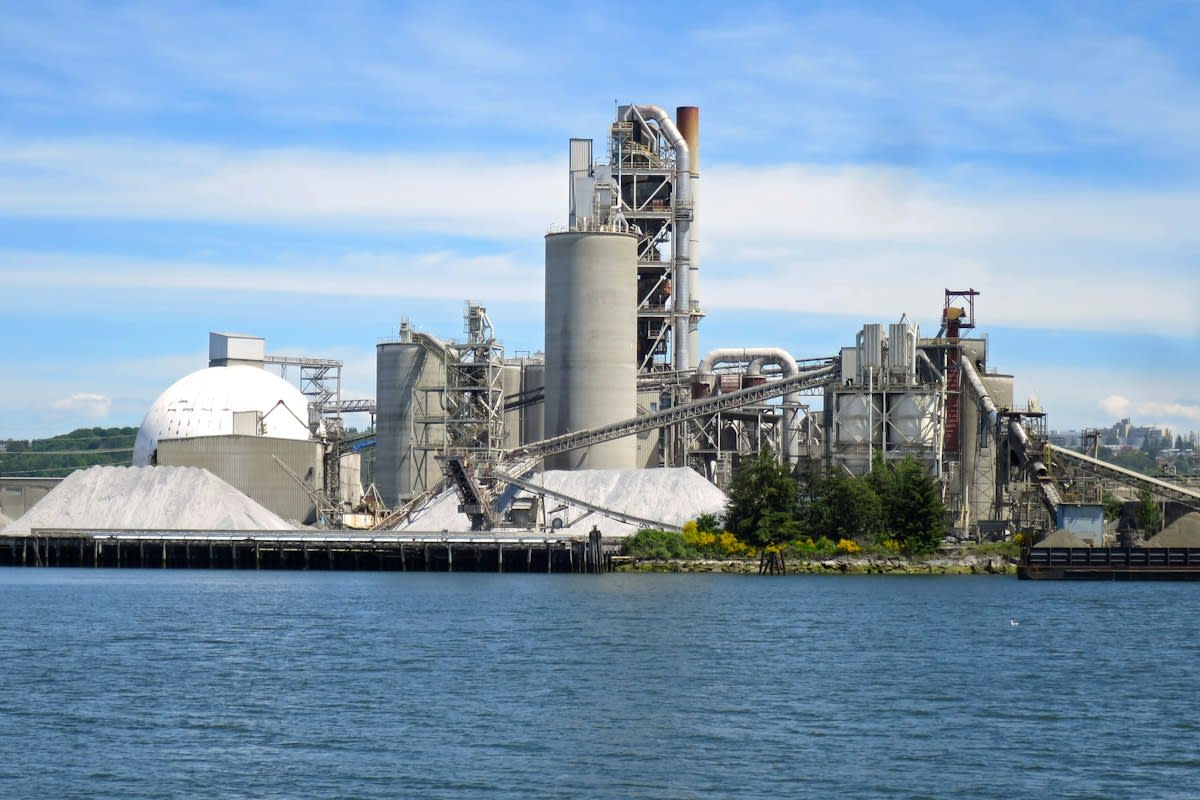
Basalt swallows the gas. 7-8% of global anthropogenic CO2 emissions stem from the cement sector (Source: Nature, 2026). This weight rests on Portland cement production. One ton of this material releases 0.8 to 0.9 tons of CO2 (Source: Nature, 2026). The damage is industrial. The scale is planetary.
Calcination drives the disaster. This process alone contributes nearly 60% of total emissions in the cement sector (Source: Nature, 2026). Fuel combustion fills the remaining gap. These figures expose a hard truth about urban growth. Every skyscraper carries a carbon debt. The math does not add up for a warming world.
The Mineralization Pivot
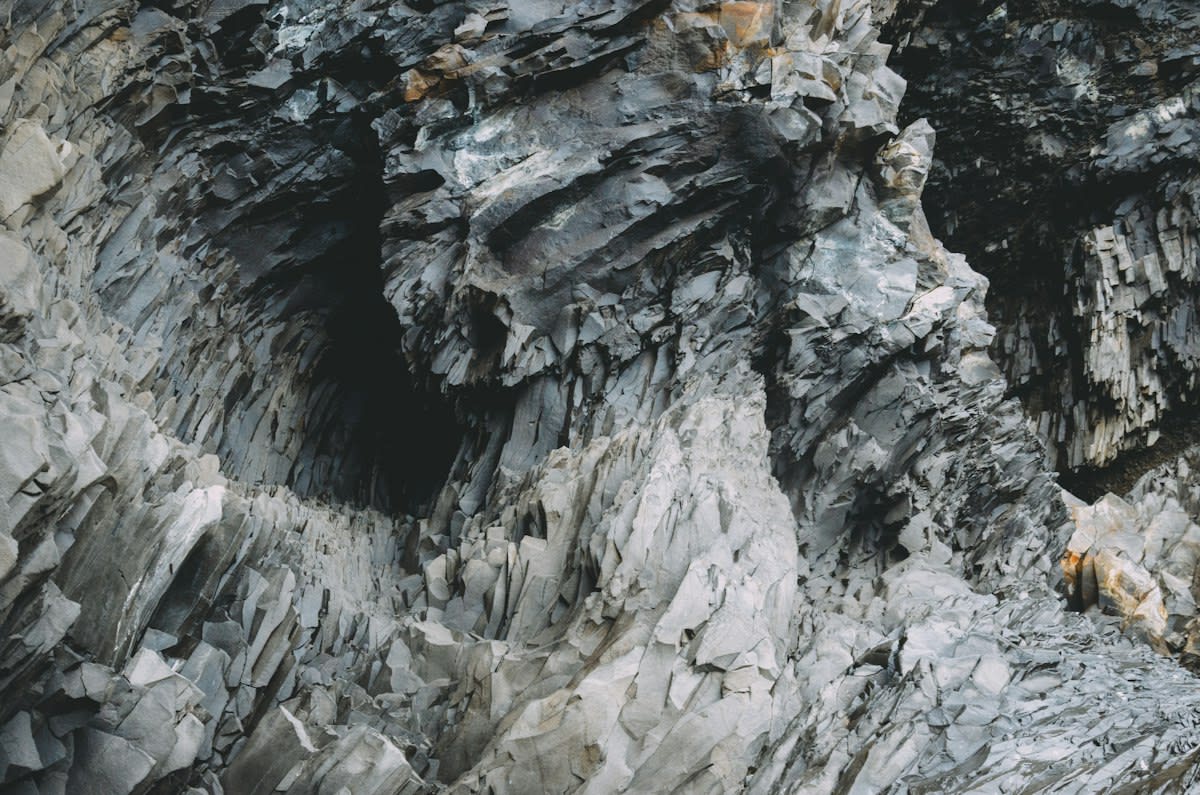
Water provides the vehicle for a new solution. The CarbFix project uses CO2 dissolved in water (Source: ScienceDirect, n.d.). This liquid mixture enters basalt formations. Basalt reacts with the carbon. The gas does not stay as gas. It becomes mineral. It becomes rock.
Time defines the victory in this process. Captured carbon turns into stone permanently within two years (Source: TechmedTimes, n.d.). This speed removes the risk of leakage. Gaseous storage is a gamble. Mineralization is a lock. The carbon is gone from the atmosphere. It is gone from the risk ledger.
"The captured carbon mixes with water and gets injected deep underground via partner Carbfix, where it turns into stone permanently within two years"— TechmedTimes, Climate Technology Report
Air capture adds necessary speed to the cycle. Carbyon, a Netherlands-based startup, built a direct air capture machine (Source: FutureMediaNewsNamibia, n.d.). This device removes CO2 from the atmosphere faster than previous hardware. It creates a pipeline of carbon. This pipeline feeds the basalt. The link between DAC and mineralization is the goal.
The logic is simple. We cannot stop building cities. We cannot stop using cement without a replacement. Therefore, we must remove the carbon at the same rate we emit it. The 0.8 to 0.9 ton penalty per ton of cement requires a massive industrial response (Source: Nature, 2026). Mineralization provides that response.
Ground Level Friction
Nairobi developers face a hard wall. They need concrete for the city to breathe and grow. They see the Nature (2026) data and know the cost of Portland cement is too high. The cold reality is that low-clinker alternatives are not yet available at scale. They argue in boardrooms about the cost of DAC versus the risk of emissions. The friction is real. The money is tight.
Practitioners argue over the energy cost of DAC. Carbyon claims speed, but the energy input remains a point of contention (Source: FutureMediaNewsNamibia, n.d.). If the energy for DAC comes from fossil fuels, the gain is zero. The debate is not about the chemistry. The debate is about the power grid. Basalt is ready, but the electricity is not.
| Metric | Cement Impact | Mineralization Path |
|---|---|---|
| Annual CO2 Load | 7-8% Global Total (Source: Nature, 2026) | Permanent Sequestration (Source: TechmedTimes, n.d.) |
| Emission Ratio | 0.8-0.9 tons CO2 / ton cement (Source: Nature, 2026) | Water-dissolved Injection (Source: ScienceDirect, n.d.) |
| Primary Source | Calcination (60%) (Source: Nature, 2026) | Basalt Reaction (Source: ScienceDirect, n.d.) |
| Stability Time | Atmospheric Persistence | 2 Year Mineralization (Source: TechmedTimes, n.d.) |
The industry is at a breaking point. We are seeing a transition toward low-clinker hybrid-blended HSC (Source: Nature, 2026). These materials aim to lower the 60% calcination burden. But hybrids are not a cure. They are a bandage. Mineralization is the surgery.
Failure Point
Basalt availability is the primary bottleneck. Not every region has the right rock. If the basalt is not porous, the water-CO2 mix cannot penetrate. The CarbFix model works in Iceland, but global scaling is unproven. We cannot simply move the rock.
DAC costs remain prohibitive. Carbyon may remove carbon faster, but the cost per ton is high (Source: FutureMediaNewsNamibia, n.d.). Until the price of carbon exceeds the cost of DAC, the private sector will hesitate. The market is slow. The planet is fast.
Water scarcity is the final risk. Dissolving CO2 in water requires immense volumes of liquid (Source: ScienceDirect, n.d.). In arid regions, this is impossible. We cannot save the air by draining the wells. This limitation makes mineralization a regional tool, not a global panacea.
Fact-Check Note
Fact-Check: All data points on cement emissions are sourced from Nature (2026). Mineralization timelines are sourced from TechmedTimes. DAC speed claims are sourced from FutureMediaNewsNamibia.
Editorial Note
Editorial Note: This piece analyzes the tension between urban expansion and carbon removal through the lens of basalt mineralization.