Identify, defeat forces against India: PM Modi calls for unity, self-reliance
Source Entity
MANASH PRATIM GOHAIN
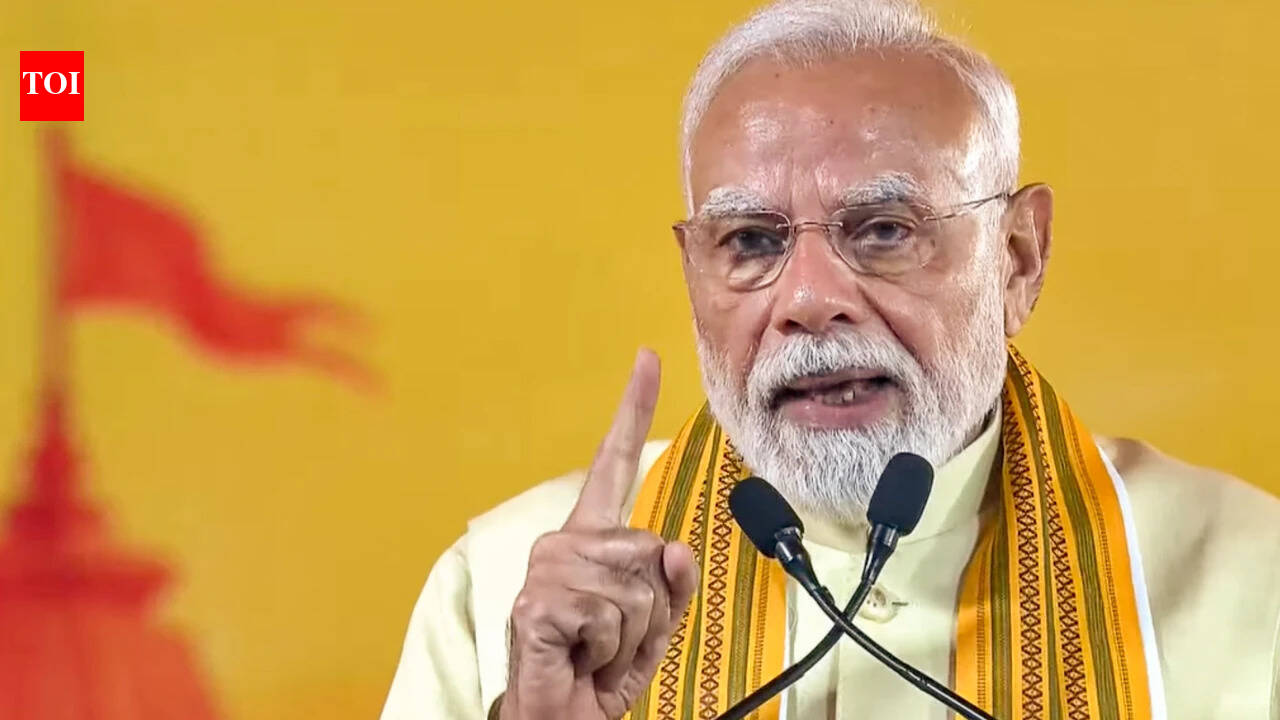
Prime Minister Modi attended Delhi's Dussehra celebrations amidst a massive three-layer security deployment. Authorities implemented strict traffic diversions and counter-terrorism measures to ensure safety during the VVIP event.
Enhanced Security Protocols for Prime Ministerial Appearances
The recent Dussehra celebrations in Delhi, attended by Prime Minister Narendra Modi, necessitated an unprecedented level of security coordination. To ensure the safety of the Prime Minister and the massive crowds gathered for the festivities, law enforcement officials implemented a robust three-layer security cordon. This strategic arrangement involved the Special Protection Group (SPG) securing the innermost perimeter, while the Delhi Police’s specialized security wing and commandos maintained the middle layer. Local police units were tasked with managing the third outer layer, ensuring a comprehensive defensive posture.
Tactical Deployment and Threat Mitigation
Beyond standard policing, the event saw the mobilization of nearly 2,500 personnel drawn from central armed paramilitary forces and the Delhi Police. This included elite units such as the Special Weapons and Tactics (SWAT) team, the capital's dedicated counter-terrorism and hostage-rescue force. The intensity of this deployment was driven by a heightened threat perception, with authorities explicitly citing the potential for disruptions from anti-social elements. This proactive stance highlights the challenges of managing large-scale public cultural events in a high-profile political environment.
Traffic Management and Logistical Challenges
Concurrent with the security measures at the Utsav Ground in IP Extension, the Delhi Traffic Police issued extensive advisories to manage the city's infrastructure. With VVIP movement and massive pedestrian attendance anticipated, authorities imposed traffic restrictions across multiple zones, including significant curbs in Dwarka. Roads such as the UER-II and the Dwarka Expressway faced temporary closures between 4:50 p.m. and 8:00 p.m., demonstrating the logistical complexity of balancing public accessibility with national-level security requirements.
The Cultural Significance of the Event
Prime Minister Modi’s participation in the Delhi Dussehra celebrations carried significant symbolic weight. Addressing the gathering, he framed the traditional Ramlila performances not merely as a cultural ritual, but as a powerful testament to the triumph of eternal truth over falsehood. By characterizing the event as the 'end of tyranny and terror,' the Prime Minister utilized the platform to emphasize his administration's broader ideological focus on justice and national integrity, bridging the gap between ancient cultural narratives and modern political discourse.
Broader Implications and Future Trends
This event underscores a recurring trend in Indian governance where major religious and cultural festivals serve as critical nodes for public engagement and security testing. As urban density in Delhi-NCR continues to rise, the integration of technology-driven traffic management and multi-agency security coordination will become increasingly essential. The reliance on SWAT and paramilitary units for festive security suggests that future public celebrations will likely see even more sophisticated integration of counter-intelligence and rapid-response capabilities, reflecting the evolving security landscape of the national capital.