L-G would be final authority in proposed U.T.-level body in Ladakh, says Centre’s proposal
Source Entity
India Latest News: Top National Headlines Today & Breaking News | The Hindu
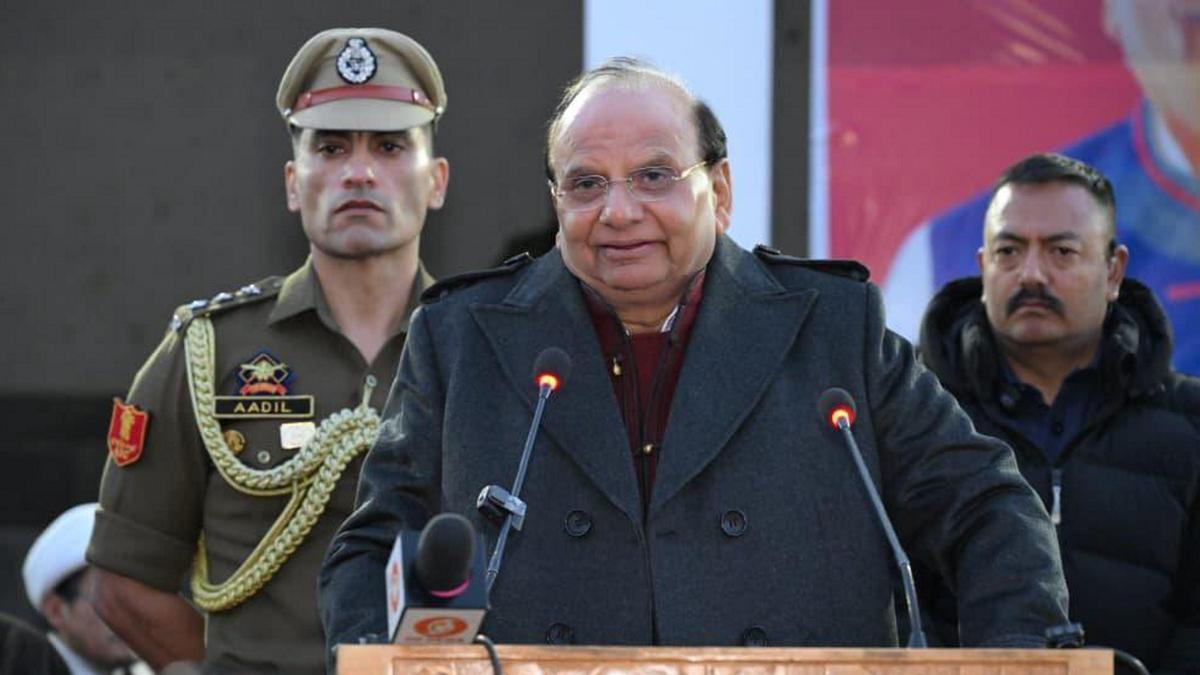
The Centre has proposed a new constitutional framework for Ladakh that grants the Lieutenant Governor final authority over the regional elected body. Simultaneously, the President has promulgated regulations to hold hill council elections across all eight districts of Ladakh, including the new Sankoo district.
Evolution of Governance in Ladakh
The landscape of governance in Ladakh is undergoing a significant transformation as the Central government moves to formalize a unique constitutional framework for the Union Territory. Central to this shift is a 32-page document titled “Constitutional and Statutory Framework,” which outlines the legislative powers and limitations of a proposed U.T.-level elected body. By establishing a structure where the Lieutenant Governor serves as the final authority for any regulation, the Centre is reinforcing the administrative hierarchy characteristic of Union Territories in India, ensuring that local legislative acts are subject to executive assent.
The Role of the Lieutenant Governor and Legislative Oversight
The Ministry of Home Affairs (MHA) has clarified that this arrangement aligns with broader Indian legislative practices. By requiring the Lieutenant Governor’s assent for any regulation passed by the elected body to take effect, the Centre maintains a strategic oversight mechanism. This structure is being negotiated within the High-Powered Committee (HPC), which includes representatives from the Leh Apex Body (LAB) and the Kargil Democratic Alliance (KDA). These groups have been actively seeking constitutional safeguards to protect the interests of Ladakh's unique demographic and geographical identity.
Expanding Participatory Democracy via LAHDC
In a parallel development, President Droupadi Murmu has promulgated the Ladakh Autonomous Hill Development Councils (LAHDC) (Amendment) Regulation, 2026. This move is a major milestone for regional administration, as it paves the way for the establishment of hill councils in all eight districts of Ladakh. Lieutenant Governor Vinai Kumar Saxena described the rapid implementation of this regulation—achieved in just six days—as a historic step toward deepening grassroots democracy and ensuring that the newly created Sankoo district is fully integrated into the developmental framework.
Inclusivity and Representation
The draft framework currently under consideration by the MHA is not only focused on power dynamics but also on social representation. It explicitly explores progressive options for electoral reform, specifically regarding gender inclusivity. By debating the reservation of one-third to 50% of seats for women in the proposed U.T.-level body, the Centre is signaling a move toward a more representative governance model that mirrors recent national trends in legislative reservation.
Future Implications and Strategic Outlook
The simultaneous push for a new U.T.-level body and the expansion of the LAHDC across all eight districts suggests a two-tiered approach to governance. While the LAHDC provides localized administrative control at the district level, the U.T.-level body is intended to handle broader regional issues. As these frameworks evolve, the success of this model will depend on the balance between the administrative authority of the Lieutenant Governor and the political aspirations of the elected representatives. This development marks a critical juncture for Ladakh’s administrative future, setting the stage for upcoming elections and the formalization of its constitutional status within the Indian Union.
Verification Required?