India-UK trade deal: Indian exports rise 8%, imports fall 17% in first 2 months
Source Entity
Latest News: Todays Latest News Headlines from India & World | Hindustan Times | Hindustan Times
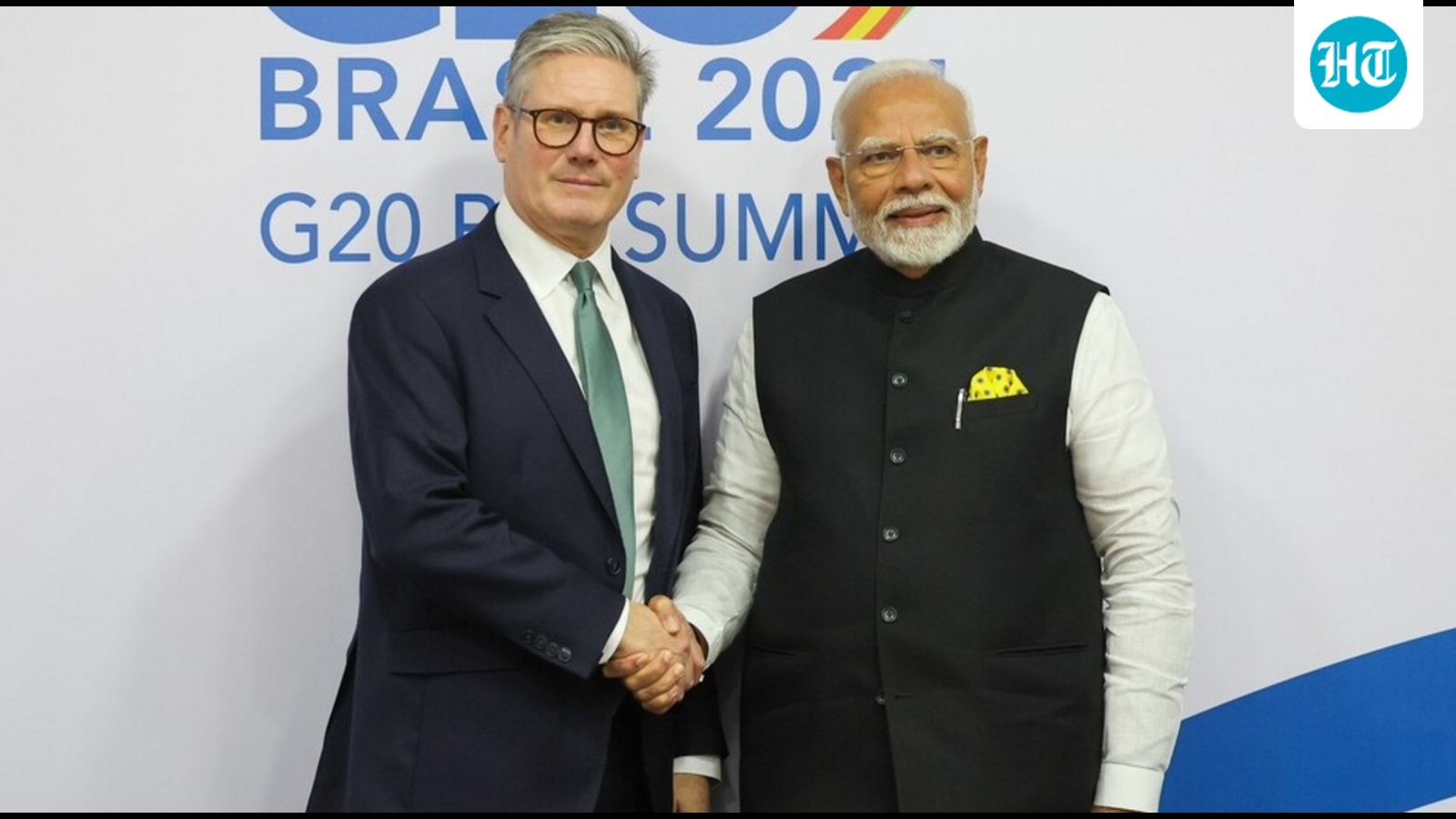
India and New Zealand have officially operationalized a Free Trade Agreement, granting Indian exporters full duty-free access to the New Zealand market. The pact aims to double bilateral trade to $7 billion by 2030 and includes a significant $20 billion FDI commitment from New Zealand over 15 years.
A New Chapter in India-New Zealand Economic Relations
The formal operationalization of the India-New Zealand Free Trade Agreement (FTA) marks a significant milestone in India's ongoing strategy to diversify its export markets and strengthen geopolitical ties in the Indo-Pacific region. Coming into effect on Tuesday, October 20, this agreement serves as the seventh such pact India has secured in the last five years, underscoring a deliberate shift toward trade liberalization and market integration. By eliminating tariffs on Indian merchandise, the government seeks to provide a competitive edge to its domestic manufacturers in the New Zealand market.
Boosting Labor-Intensive Exports
A primary beneficiary of this agreement is India's labor-intensive sector. Industries such as textiles, apparel, leather, and footwear, which have historically faced tariffs of up to 10% in New Zealand, will now enjoy 100% duty-free access. This reduction is designed to bolster production volumes and enhance the global footprint of Indian small and medium enterprises (SMEs) that rely heavily on these traditional sectors for employment and export revenue.
Strategic FDI and Long-Term Commitments
Beyond immediate tariff relief, the agreement is bolstered by a substantial commitment of $20 billion in Foreign Direct Investment (FDI) from New Zealand into India over the next 15 years. This capital injection is expected to stimulate industrial growth and infrastructure development within India. The alignment of trade policy with long-term investment cycles suggests that both nations are looking to create a stable, predictable environment for cross-border collaboration that extends well beyond simple commodity exchange.
Protecting Sensitive Domestic Interests
While the agreement promotes aggressive trade expansion, it remains cautious regarding domestic food security and rural livelihoods. The Ministry of Commerce and Industry has explicitly excluded sensitive agricultural sectors—including dairy, onions, chickpeas, peas, corn, almonds, artificial honey, and sugar—from the trade deal. By shielding these sectors from external price volatility, the government aims to balance its export-led growth ambitions with the need to protect the interests of Indian farmers.
Economic Targets and Future Outlook
The stated goal of this FTA is to double bilateral trade to approximately $7 billion by 2030, a target that reflects a shared optimism between New Delhi and Wellington. For New Zealand, which exported nearly NZ$2.03 billion in goods and services to India in 2025, the deal provides a structured framework to access one of the world's fastest-growing economies. Meanwhile, India’s reciprocal reduction of tariffs on 95% of New Zealand’s imports indicates a willingness to engage in a balanced, mutually beneficial economic partnership.
Conclusion
The India-New Zealand FTA represents a sophisticated approach to modern trade policy. By combining duty-free access for labor-intensive goods with strategic investment commitments and the protection of sensitive agricultural sectors, the agreement creates a robust foundation for future growth. As this pact takes effect, the success of these measures will likely serve as a blueprint for India’s ongoing efforts to integrate more deeply into global supply chains while maintaining domestic economic stability.
Verification Required?