Mt. Gox pushes creditor repayment deadline to 2027 in sixth extension
Source Entity
Cointelegraph by Ezra Reguerra
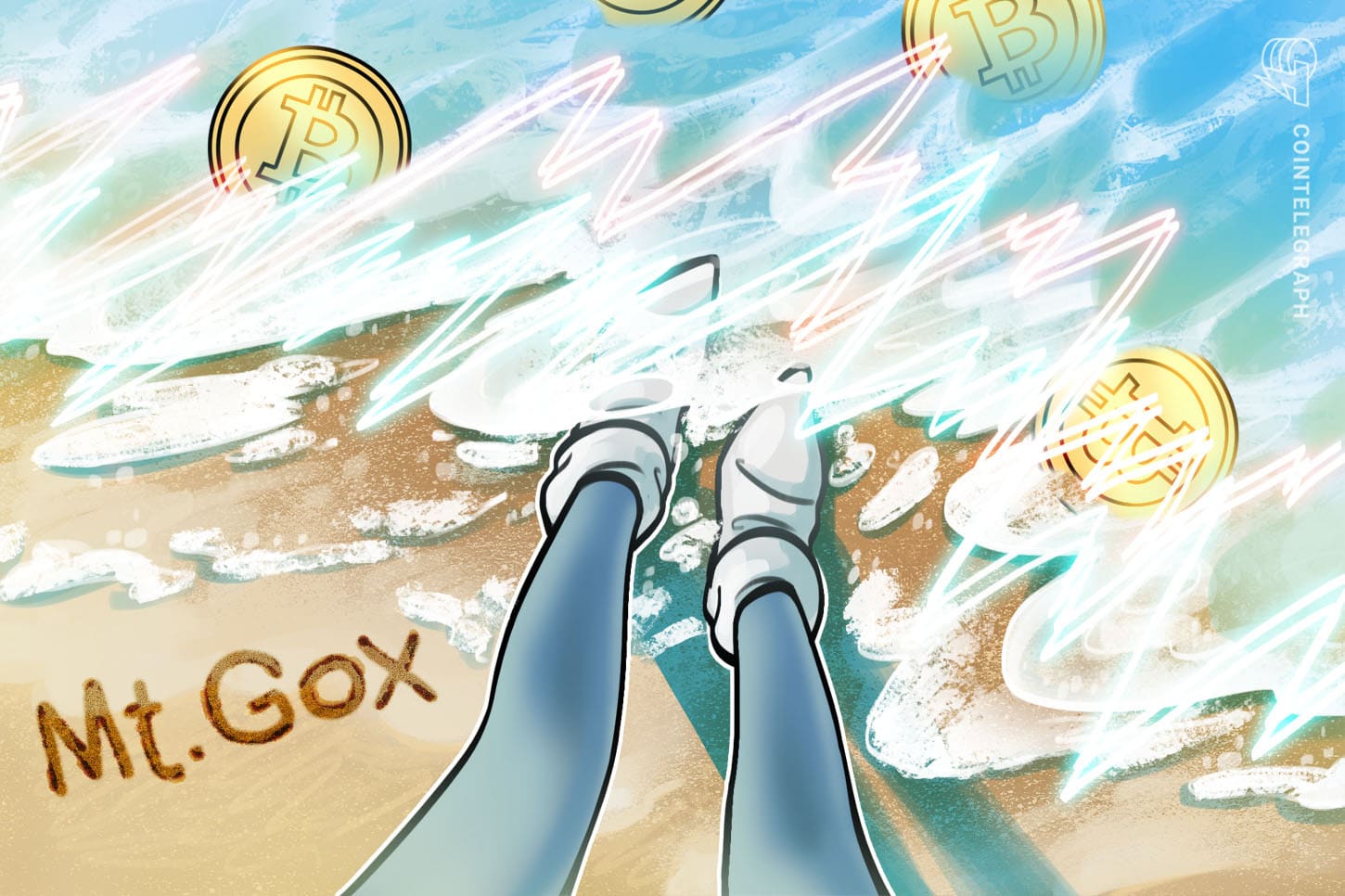
Mt. Gox has extended its creditor repayment deadline to October 2027, marking the sixth such postponement. The delay is attributed to incomplete claimant procedures and ongoing technical payment processing complications.
The Continued Saga of Mt. Gox: A 2027 Deadline Shift
The collapse of Mt. Gox remains one of the most significant and protracted events in the history of the cryptocurrency industry. Following the recent announcement by rehabilitation trustee Nobuaki Kobayashi, the deadline for creditor repayments has been officially pushed to October 31, 2027. This marks the sixth extension since the process began, highlighting the immense logistical and legal complexities involved in unwinding a digital asset exchange that failed over a decade ago.
Understanding the Roots of the Delay
At the heart of these repeated delays are two primary factors: incomplete claimant procedures and persistent payment processing issues. While trustee Nobuaki Kobayashi noted that many creditors who successfully navigated the required documentation have already received their distributions, a significant portion of the claimant pool remains in limbo. The Tokyo District Court’s approval of this one-year extension reflects the reality that the rehabilitation process is far from a simple automated payout.
The Complexity of Global Crypto Restitution
Repaying thousands of creditors across multiple jurisdictions presents a unique set of challenges that traditional bankruptcy proceedings rarely face. Because Mt. Gox dealt in Bitcoin and other digital assets, the valuation of claims and the technical requirements for transferring these assets to individual wallets have created significant bottlenecks. These 'processing issues' mentioned by the trustee underscore the friction between legacy judicial systems and the decentralized nature of the assets involved in the case.
Historical Context and Institutional Patience
This latest move is the fourth extension since September 2023, following two earlier adjustments. The persistent nature of these delays tests the patience of a global creditor base that has waited years to recover funds lost during the 2014 collapse. The iterative nature of these extensions suggests that the rehabilitation process is being handled with extreme caution to ensure legal compliance and to minimize the risk of erroneous distributions.
Future Implications and Market Impact
As we look toward the new 2027 deadline, the market remains hyper-aware of how these massive tranches of Bitcoin and other assets might impact liquidity. Each delay effectively postpones the final reconciliation of the Mt. Gox estate, keeping a cloud of uncertainty over the total supply of recovered assets. For the broader crypto market, the resolution of these claims is seen as a final chapter in the 'wild west' era of early cryptocurrency exchanges.
Conclusion: A Long Road to Closure
Ultimately, the extension to 2027 is a pragmatic necessity rather than a choice. By allowing more time for creditors to address procedural gaps, the court and the trustee aim to fulfill their fiduciary duty to the maximum number of claimants. While the delay is undoubtedly frustrating for those waiting, it reinforces the rigorous, albeit slow, nature of the Japanese bankruptcy process in managing one of the most complex financial failures in modern digital history.