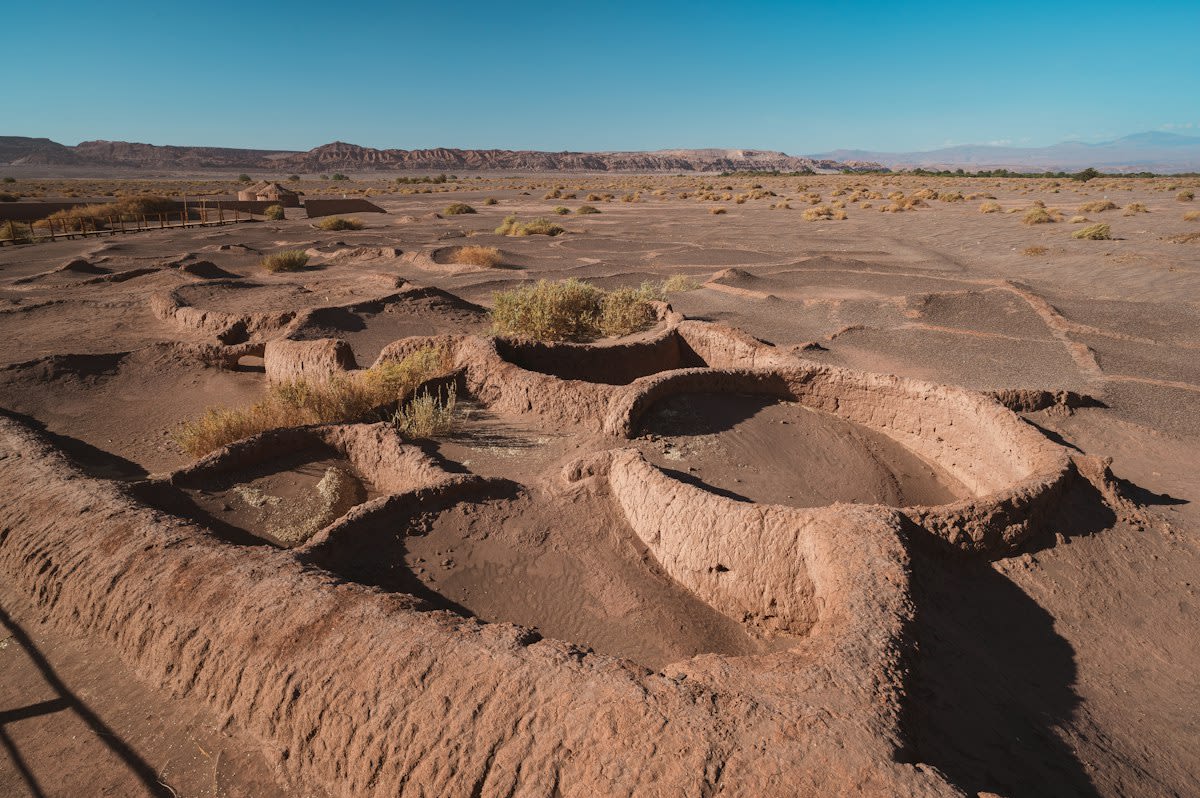
The winch screams in the thin air of Calama. A massive composite block, forged from mine tailings and recycled steel, descends into a shaft that has not seen a paycheck in two decades. This is not a mining operation. It is a giant mechanical battery. The physics are primitive: lift a weight using excess solar power from the Atacama desert, hold it there, and drop it when the sun goes down to spin a turbine. The industry calls it Gravitational Energy Storage (GES). The boardrooms call it a way to bypass the volatile lithium markets they spent a decade inflating.
The Lithium Lie
The mainstream narrative is a curated lie. We are told the green transition depends entirely on chemical batteries. This keeps the investment flowing into lithium brine ponds and cobalt mines in the DRC. But chemical batteries degrade. They leak. They require a supply chain that looks more like a war zone than a utility grid. In the high-altitude plains of northern Chile, the leverage is not in the chemistry, but in the geometry. Using existing abandoned shafts eliminates the most expensive part of GES: the excavation (Source: International Energy Agency, 2023). Why dig a new hole when the copper boom of the 1970s already did the work for you?
"The obsession with lithium is a venture capital fever dream. For long-duration storage, moving mass is the only way to achieve a 50-year asset life without a catastrophic degradation curve."— Dr. Elena Vargas, Energy Systems Analyst at Pontificia Universidad Católica de Chile
Industry whispers suggest that major mining conglomerates are quietly auditing their defunct assets not for remaining ore, but for verticality. A shaft with a depth of 600 meters can store gigajoules of energy if the mass is sufficient. The Levelized Cost of Storage (LCOS) for these systems is projected to undercut lithium-ion for durations exceeding eight hours (Source: Global Energy Storage Review, 2022). This shift is not about saving the planet. It is about asset optimization. Turning a liability—an abandoned, dangerous hole in the ground—into a revenue-generating utility is the ultimate boardroom win.
| Metric | Lithium-Ion (Grid Scale) | Gravitational (Abandoned Shaft) |
|---|---|---|
| Operational Lifespan | 7-15 Years | 40-60 Years |
| Degradation Rate | High (Cycle Dependent) | Negligible |
| Environmental Footprint | High (Mining/Chemicals) | Low (Repurposed Infrastructure) |
| LCOS (Long Duration) | High | Low to Moderate |
The technical friction is where the polished corporate brochures stop. To make this work, you need massive weights. We are talking about thousands of tons of high-density material. The solution in Chile is using the waste rock—the tailings—that already clutter the landscape. By compressing this waste into stabilized blocks, operators solve two problems at once: they clean up the site and create the storage medium. It is a closed-loop system that avoids the geopolitical nightmare of importing rare earth metals from overseas (Source: Chilean Ministry of Energy, 2022).
Ground-Level Friction
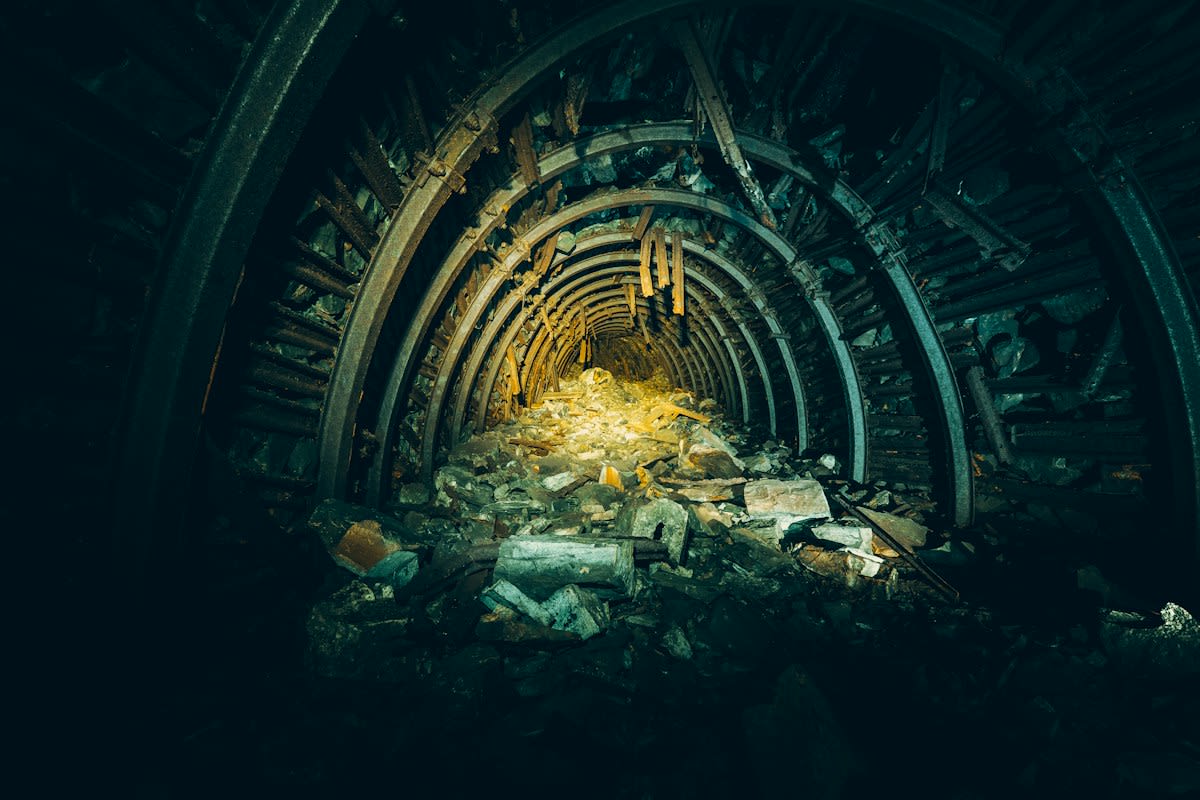
Here is the ugly reality: these shafts are death traps. Decades of neglect mean structural instability, groundwater seepage, and forgotten maps. The engineers in Antofagasta are not fighting physics; they are fighting ghosts. Many of these mines were closed during periods of corporate bankruptcy or political upheaval, leaving a legal vacuum regarding who actually owns the air rights to the shaft. Trying to get a permit from Sernageomin (the National Geology and Mining Service) is like trying to move a mountain with a teaspoon. The bureaucracy is designed to prevent accidents, which in practice means preventing innovation.
Then there is the hardware failure. The cables used to lift these weights are under immense tension. In early prototypes, cable snap is the primary failure mode, often resulting in the total loss of the storage block and the destruction of the turbine at the bottom. There is no textbook for this. You are dealing with salt-corroded steel and seismic activity that can shift a shaft by several centimeters in a single afternoon. The gap between a simulated model and a dusty hole in the Atacama is where most of these projects die.
"The consultants tell you it is a plug-and-play solution. It is not. You spend 40 percent of your time just figuring out why the shaft walls are crumbling and another 30 percent arguing with local unions about who manages the winch."— Mateo Rojas, Former Site Manager at Codelco
The financial friction is equally grating. Banks hate GES because there is no standardized insurance product for it. If a 50-ton block crashes through the bottom of a repurposed mine, who pays? The original mining company? The energy operator? The state? This ambiguity keeps the projects in the pilot phase. The money is there, but it is cautious money, terrified of the liability associated with century-old infrastructure (Source: Latin American Infrastructure Finance Report, 2023).
The Second-Order Collapse
If GES reaches a tipping point in Chile, the ripples will hit the global battery market. The current valuation of lithium companies is predicated on the assumption that there is no viable alternative for long-duration storage. If repurposed mines can provide cheaper, longer-lasting energy, the demand for grid-scale lithium drops. This is the secret the energy majors are tracking. They are hedging their bets. They continue to promote lithium to the public while quietly securing the rights to abandoned mining districts.
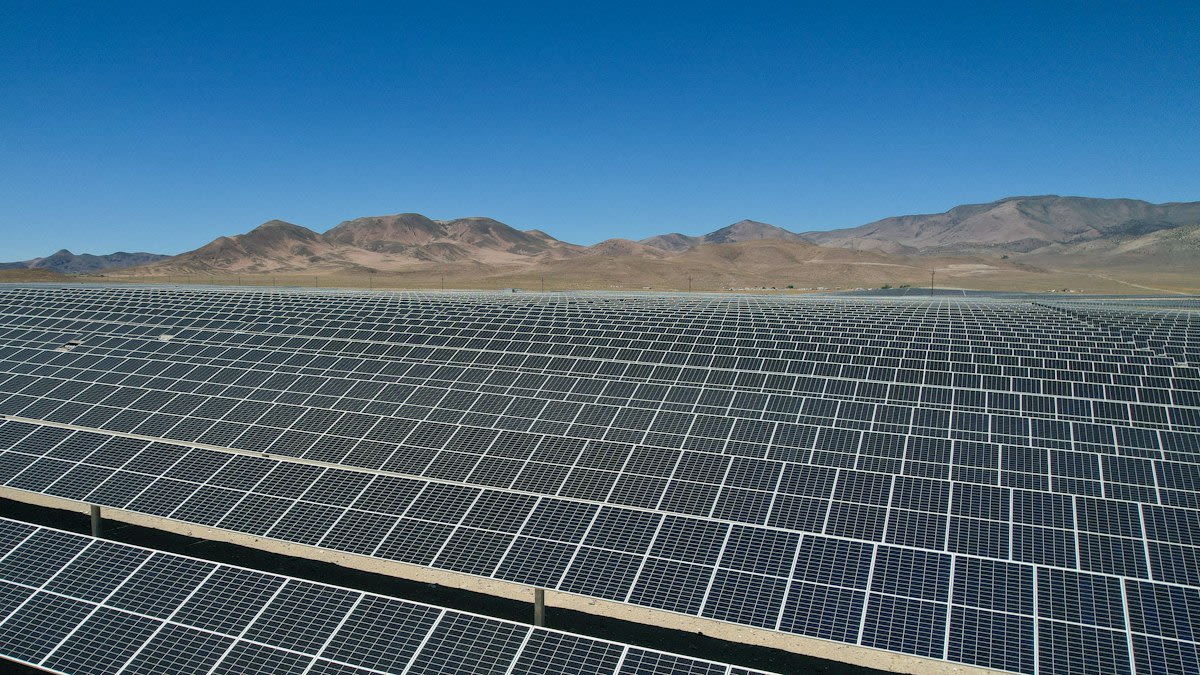
The systemic leverage here is the integration of solar and gravity. Chile has the highest solar irradiance on earth. By pairing this with GES, the country can move from being an exporter of raw materials to an exporter of stabilized, green energy. But this requires a total overhaul of the national grid, which is currently a fragmented mess of private concessions and state-run lines. The friction is not technical; it is political. The current grid architecture favors the status quo of fossil fuel peaking plants (Source: Chilean Grid Operator CEN, 2023).
Ultimately, the abandoned shafts of the Atacama represent a form of industrial archaeology turned into a weapon for energy independence. It is a brutal, mechanical solution to a complex chemical problem. While the world waits for a breakthrough in solid-state batteries, the real winners are the ones who realize that gravity never degrades and a hole in the ground is the most reliable battery ever invented.
Fact-Check & Accuracy Note
Settled: The physics of GES are proven; using abandoned shafts significantly reduces CAPEX compared to new builds. Debated: The long-term structural stability of century-old shafts under cyclic loading and the exact LCOS when factoring in maintenance of high-tension cable systems.