Commission probing Koregaon Bhima violence concludes hearings after 8 years
Source Entity
Chandan Haygunde
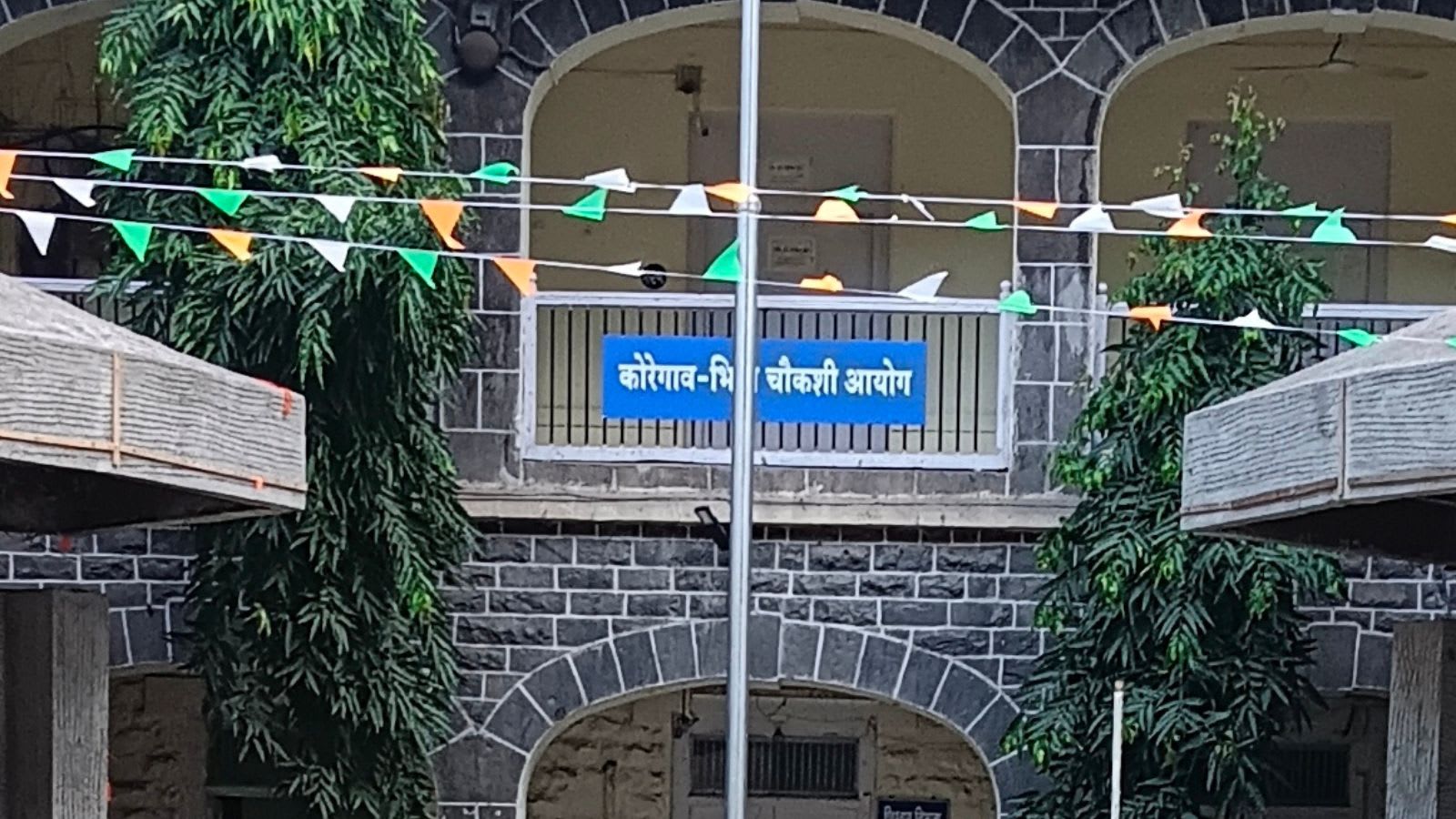
The Koregaon Bhima Commission of Inquiry has concluded its evidentiary hearings after eight and a half years. The Maharashtra government has granted a 23rd extension, allowing until October 31, 2026, for the submission of the final report.
The Long Road to Closure: Koregaon Bhima Inquiry Concludes
After a protracted period spanning nearly eight and a half years, the Koregaon Bhima Commission of Inquiry has officially concluded its mandate of recording evidence regarding the violence that erupted in Pune on January 1, 2018. This event, which marked the 200th anniversary of the Battle of Koregaon Bhima, resulted in widespread unrest, and the subsequent probe was tasked with untangling the complex socio-political factors that led to the clashes.
A History of Extensions
The inquiry process has been defined by its extensive duration, now marked by its 23rd official extension. According to a letter issued by Rajendra Holkar, Joint Secretary of the Home Department, the Commission has been granted additional time until October 31, 2026, to finalize its report. This repeated cycle of extensions highlights the logistical and administrative complexities inherent in investigating high-profile civil disturbances that carry significant political and social weight.
The Administrative Burden
Commission secretary V V Palnitkar confirmed that the evidentiary phase, which involved the testimony of numerous witnesses, has finally reached its end. The transition from recording evidence to the synthesis of a final report is a critical stage. For the Maharashtra government, this report is expected to provide a definitive account of the sequence of events, potentially influencing future policy and security measures in the region to prevent a recurrence of such tensions.
Broader Implications for Justice
Public interest in the commission remains high, as the incident serves as a flashpoint for discussions regarding caste dynamics and social cohesion in Maharashtra. The conclusion of the hearings is a significant milestone, yet the extended deadline for the final report suggests that the state government is prioritizing a comprehensive and legally robust analysis over a swift conclusion. The findings will be scrutinized for their impact on legal proceedings and the public narrative surrounding the 2018 violence.
Looking Toward 2026
As the Commission shifts its focus toward drafting the final report, the focus will turn to the transparency and eventual dissemination of its findings. With the deadline set for late 2026, the state government remains committed to ensuring that the investigative process is exhaustive. The final report will likely serve as a foundational document for understanding the systemic triggers of the 2018 violence, offering a roadmap for judicial and administrative accountability.