Analysis: Trump ramps up feud with media after week of setbacks
Source Entity
BBC News
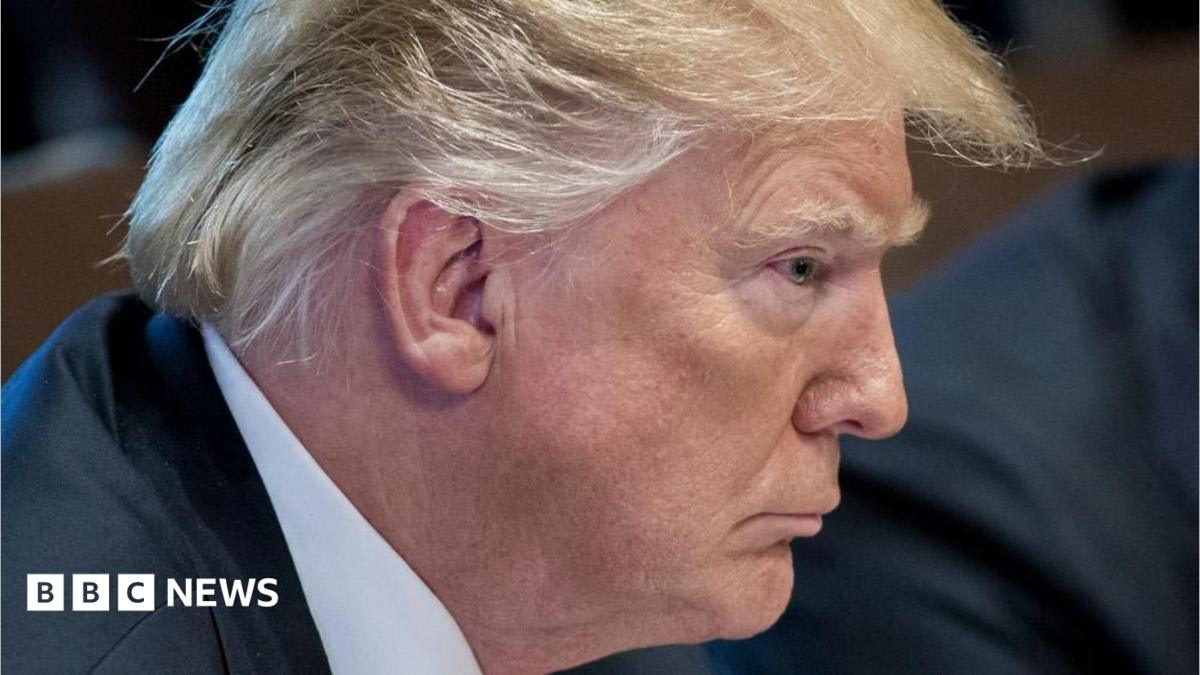
President Trump has escalated his criticism of the media following a series of legal and policy setbacks. These challenges include Supreme Court rulings on voting, Federal Reserve interest rate hikes, and legal restrictions regarding the Kennedy Center.
The Escalating Conflict Between the Executive and Institutional Norms
President Trump’s recent intensification of rhetoric against the news media marks a significant moment in his administration’s turbulent relationship with institutional power. By framing his legislative and judicial obstacles through the lens of media bias, the President is attempting to consolidate his political base by identifying external antagonists. This strategy, while common in populist politics, highlights the deepening friction between the executive branch and the traditional pillars of American governance.
Judicial Setbacks and the Supreme Court
The Supreme Court’s decision to block the administration's plan regarding mail-in voting represents a profound challenge to the President's strategic preparation for the midterms. Trump’s public criticism of his own appointees signifies a departure from traditional executive deference toward the judiciary. By questioning the ideological alignment of the justices he personally selected, the President has signaled a frustration that extends beyond policy disagreement, suggesting a desire for a more favorable judicial oversight of his electoral agenda.
Economic Policy and the Federal Reserve
The tension between the White House and the Federal Reserve remains a critical focal point of current economic discourse. Despite the President's repeated public advocacy for interest rate cuts to stimulate economic growth, the central bank’s decision to raise rates underscores its commitment to institutional independence. This clash serves as a reminder of the historical distance required between political leadership and monetary policy to maintain market stability and investor confidence.
Administrative Overreach and Institutional Preservation
The legal directive regarding the Kennedy Center serves as an illustrative example of the checks and balances inherent in the American system. When the administration signaled potential drastic changes to the venue, the court's intervention acted as a procedural safeguard. This event, while seemingly specific to arts funding, reinforces a pattern where the administration’s executive actions are increasingly met with legal scrutiny and mandatory notice periods.
The Media as a Proxy for Conflict
Ultimately, the President’s focus on the media is a reactive measure to these cumulative institutional losses. By characterizing the reporting of these events as part of a hostile agenda, the administration attempts to shift the narrative from policy failures to a battle for institutional legitimacy. This rhetorical strategy serves to insulate the administration from the critiques of the judiciary and the Federal Reserve by framing those entities as part of a broader, biased ecosystem.
Future Trends and Political Implications
Looking ahead, this trend of adversarial communication is likely to persist as the midterm cycle intensifies. As the administration faces continued scrutiny from both the judiciary and independent agencies, the reliance on anti-media rhetoric will likely remain a core component of the President's political toolkit. The long-term impact on the public perception of these institutions remains a significant concern for political analysts observing the erosion of traditional consensus-based governance.