JPC members question Centre on foreign funds, asset takeover provisions in FCRA amendments
Source Entity
India Latest News: Top National Headlines Today & Breaking News | The Hindu
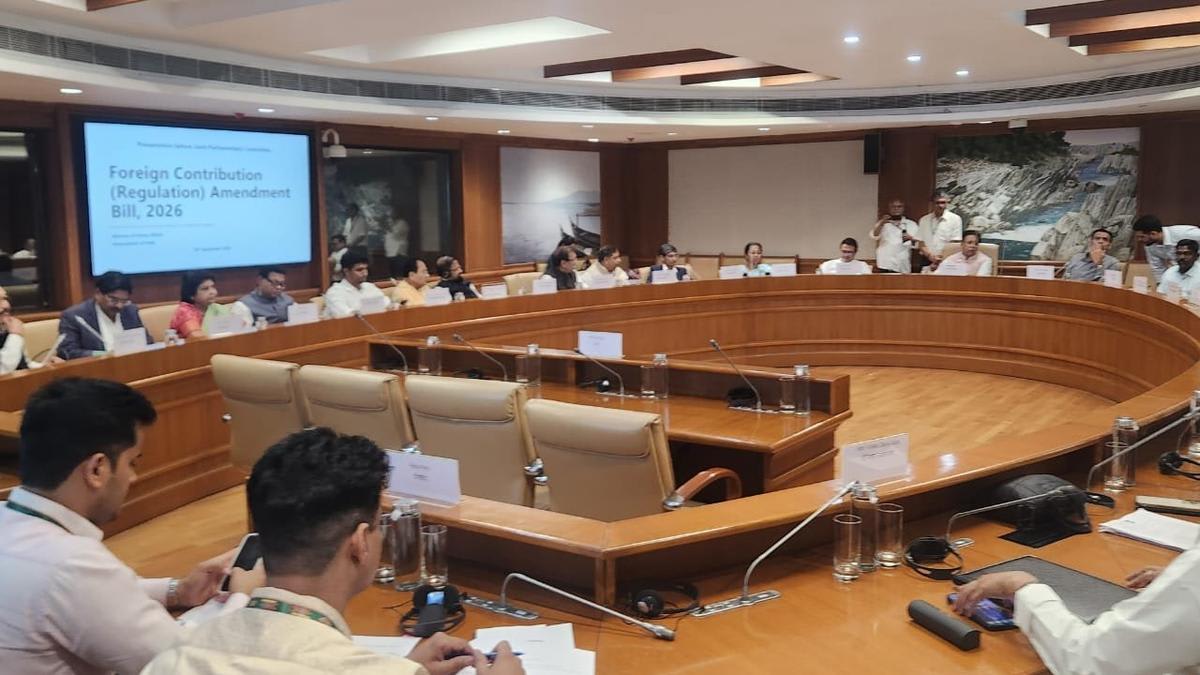
The JPC is reviewing the 2026 FCRA Amendment Bill, which aims to tighten oversight on foreign funding. The government defends the changes as a national security necessity, while the Opposition expresses concerns over the broad powers granted to the proposed designated authority.
Scrutinizing the FCRA Amendment Bill 2026: A Parliamentary Review
The recent inauguration of the Joint Committee of Parliament (JPC) meetings marks a pivotal moment in the legislative oversight of foreign funding in India. Tasked with reviewing the Foreign Contribution (Regulation) Amendment Bill, 2026, the 31-member panel, chaired by BJP’s Sanjay Jaiswal, has begun an intense examination of the government’s proposed regulatory shifts. The core of the discourse centers on how the state balances its sovereign duty to protect internal security with the operational independence of non-governmental organizations.
The Government’s Position: National Security and Sovereignty
During the initial proceedings, Union Home Secretary Govind Mohan articulated the government’s stance, emphasizing that the amendments are not designed to hinder charitable activities. Instead, the Ministry of Home Affairs (MHA) frames the bill as a necessary mechanism to regulate the flow of foreign capital into India's 'sovereign space.' The government argues that existing legal frameworks have faced implementation hurdles, necessitated by evolving national security threats that require more robust, enforceable oversight mechanisms.
The Opposition’s Concerns: Transparency and Due Process
Conversely, Opposition members have voiced significant apprehension regarding the bill’s potential to overreach. A primary point of contention is the proposed “designated authority,” a government-appointed body tasked with managing and disposing of assets belonging to organizations whose FCRA licenses have been cancelled, surrendered, or allowed to lapse. Critics argue that this provision grants the authority excessive power to seize assets created through foreign contributions without mandatory prior hearings, raising questions about the protection of civil society and due process.
Addressing Allegations of Religious Targeting
Throughout the deliberations, the JPC addressed allegations that the amendments might disproportionately affect minority-run institutions, particularly those within the Christian community. The government has categorically denied these claims, maintaining that the legislation is neutral and driven solely by national interest and security requirements. The dialogue highlights the deep political divide regarding the role of foreign-funded NGOs in the Indian socio-political landscape.
Implications of Asset Vesting Provisions
The most controversial aspect of the 2026 Bill remains the automatic vesting of assets into the hands of the state upon the loss of an FCRA license. By shifting the control of these assets away from the original organizations to a government-appointed authority, the bill introduces a radical change in how foreign-funded capital is treated post-compliance failure. The JPC is currently wrestling with the administrative and legal implications of this power, which many fear could stifle the operational capacity of NGOs if not carefully checked.
Future Outlook and Legislative Trajectory
As the JPC continues its review, the legislative trajectory of the FCRA Amendment Bill will likely depend on the committee's ability to reconcile the government’s security imperatives with the procedural safeguards demanded by the Opposition. The final recommendations of the committee will be critical in determining whether the bill retains its current scope or undergoes significant modifications to ensure that the regulation of foreign funds does not translate into the erosion of institutional autonomy. The outcome of these deliberations will set a significant precedent for how India manages external financial influence in the coming decade.
Verification Required?