Mamata moves Supreme Court against EC order freezing TMC name, symbol
Source Entity
Latest News: Todays Latest News Headlines from India & World | Hindustan Times | Hindustan Times
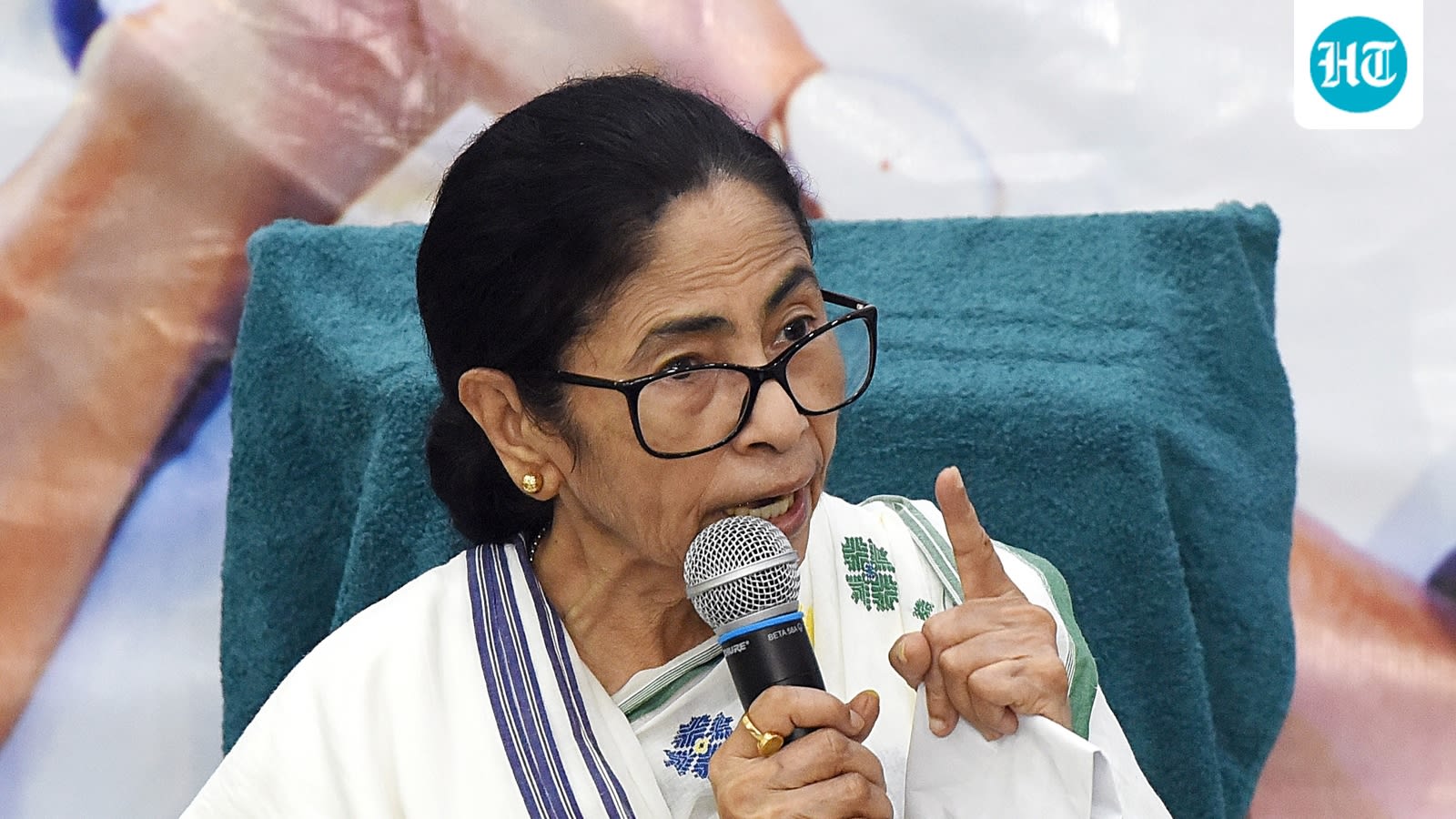
Mamata Banerjee has moved the Supreme Court to challenge an Election Commission order freezing the TMC name and 'Flowers and Grass' symbol. This follows a factional split led by Ritabrata Banerjee, forcing the party into a legal and electoral crisis.
The Trinamool Congress Crisis: A Legal and Political Battle
The Genesis of the Internal Schism
The Trinamool Congress (TMC), founded by Mamata Banerjee in 1998, is currently navigating its most significant existential threat since its inception. The instability began when a faction led by Ritabrata Banerjee formally split from the parent organization. This internal fracturing has triggered a complex legal battle over the party's identity, specifically regarding its nomenclature and the iconic ‘Flowers and Grass’ symbol that has become synonymous with Banerjee’s political brand in West Bengal.
The Election Commission’s Intervention
In response to the escalating power struggle between the rival factions, the Election Commission of India (ECI) issued an interim order on Thursday. The ECI took the drastic step of freezing the original ‘All India Trinamool Congress’ name and the reserved electoral symbol. This regulatory move effectively neutralized both groups, preventing either side from leveraging the established party brand while the Commission continues its formal examination of the dispute. This decision serves as a procedural 'cooling-off' period intended to prevent further electoral chaos, but it has left the TMC leadership in a state of political limbo.
Challenging the ECI in the Supreme Court
On Friday, Mamata Banerjee moved the Supreme Court to challenge the ECI’s freezing order. By seeking judicial intervention, the TMC leadership is attempting to reclaim its right to the party identity ahead of critical electoral contests. The petition highlights the high stakes of this dispute; without the recognized symbol and name, the faction risks losing voter recognition, which is a vital asset in the Indian electoral landscape where symbols often serve as the primary identifier for the electorate.
Impact on Electoral Strategy
The immediate fallout of this crisis has already manifested in strategic retreats. Following the freezing of their symbol, the Mamata-led faction opted to withdraw from the Nandigram bypoll. To maintain political relevance and oppose rival candidates, the faction has shifted to a tactical alliance, choosing to back Congress candidates. This move signals a significant realignment for a party that traditionally operates as a dominant independent force in the state.
Broader Implications for Indian Party Politics
This episode serves as a case study in the vulnerability of regional parties to internal splits. The ‘72-hour rollercoaster’ described by observers—marked by the rapid loss of party assets and the subsequent scramble for legal recourse—underscores the fragility of political institutions when leadership disputes arise. As the Supreme Court reviews the ECI’s interim order, the outcome will likely set a precedent for how the Commission handles intra-party disputes and the protection of intellectual property rights over political symbols.
Future Trends and Outlook
Moving forward, the resolution of this conflict will dictate the TMC’s ability to campaign effectively in upcoming elections. If the Supreme Court upholds the ECI’s decision, the faction may be forced to adopt a new identity entirely, which could permanently alter the political landscape in West Bengal. Alternatively, a reversal would allow Mamata Banerjee to stabilize her base, though the internal divisions created by the Ritabrata Banerjee faction will likely require a long-term strategy of reconciliation or consolidation to ensure the party's longevity.
Multiple Citing Sources
Verification Required?