Delhi CM, Kejriwal among 33 lakh electors in Capital to get SIR notice
Source Entity
Devansh Mittal
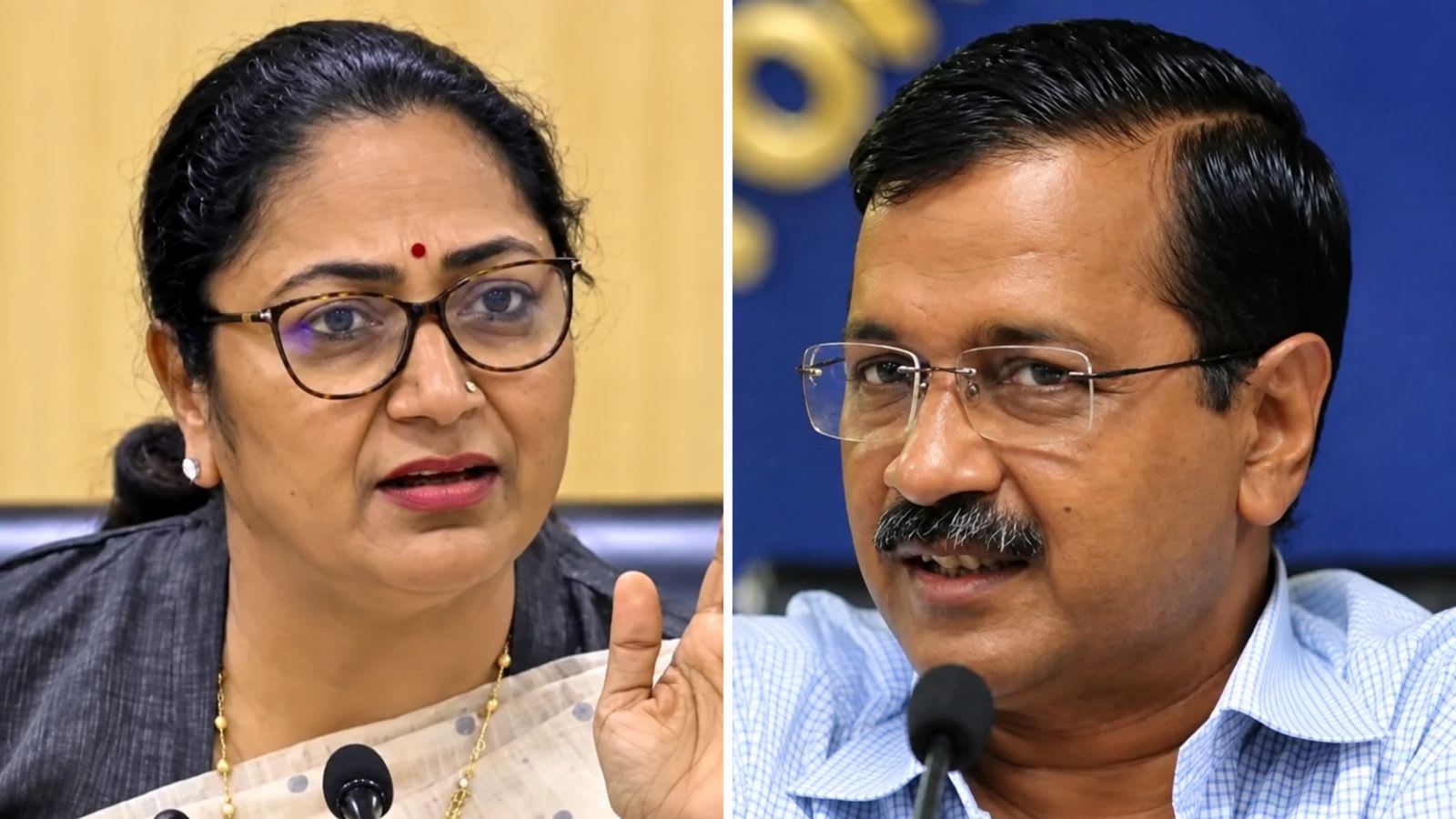
The Delhi Election Commission has issued verification notices to 3.31 million voters, including CM Rekha Gupta and former CM Arvind Kejriwal, due to logical discrepancies in the draft electoral roll. This Special Intensive Revision (SIR) has removed one-third of the city's voters, prompting an urgent review process.
Delhi Electoral Roll Revision: Addressing Widespread Discrepancies
The Delhi Election Commission (EC) has initiated a massive administrative undertaking known as the Special Intensive Revision (SIR) of the electoral rolls. Following the publication of a draft roll on August 31, 2026, it was revealed that approximately 47 lakh voters were excised from the previous list of 1.45 crore, representing a significant 32.8% decline in the total electorate. This exercise has resulted in 3.31 million electors being issued notices to verify their eligibility.
High-Profile Impact and Public Scrutiny
Among those receiving notices are prominent political figures, including Delhi Chief Minister Rekha Gupta, former Chief Minister Arvind Kejriwal, and former Delhi BJP chief Virendra Kumar Sachdeva. The inclusion of such high-profile individuals highlights the systemic nature of the audit, which spans across political divides. Furthermore, the families of key figures, such as Sunita Kejriwal and her relatives, have also been flagged, underscoring that the verification process is being applied uniformly regardless of political status or public profile.
Understanding 'Logical Discrepancies'
According to Chief Electoral Officer Ashok Kumar, the notices are primarily categorized under "No Mapping" and "Logical Discrepancies." In the case of Chief Minister Rekha Gupta, the notice was triggered by an age-related anomaly where the gap between her age and her parents' ages appeared to be less than 15 years. While this specific instance was resolved upon the submission of supporting documentation, it serves as a primary example of the algorithmic flags used during the SIR process to identify potential data entry errors.
The Mechanics of the Verification Process
The Delhi Election Commission has made the lists of those facing discrepancies available online to ensure transparency. To facilitate the correction of these records, electoral roll officer teams are currently conducting hearings and organizing camps. Officials have indicated that if the volume of claims and objections remains high, the frequency and capacity of these camps will be expanded to ensure that all legitimate voters are reinstated before the final roll is published.
Broader Implications and Future Trends
The sheer scale of this revision—removing one in every three voters—raises significant questions regarding the integrity of past databases and the reliability of current administrative record-keeping. The move towards a more rigorous, data-driven electoral roll is intended to sanitize the voter list, yet the logistical burden placed on 3.31 million citizens is substantial. Moving forward, the success of this exercise will depend on the efficiency of the hearing process and the ability of the EC to minimize disenfranchisement caused by administrative errors.
Conclusion
As the Election Commission continues its work, the focus remains on the urgent resolution of these 3.31 million cases. With the Supreme Court reportedly set to hear pleas regarding the massive scale of these removals, the situation remains fluid. The ongoing SIR exercise represents a critical juncture for Delhi’s democratic process, balancing the necessity of accurate electoral data with the fundamental right of every citizen to remain on the voting rolls.