The Alkalinity Shift
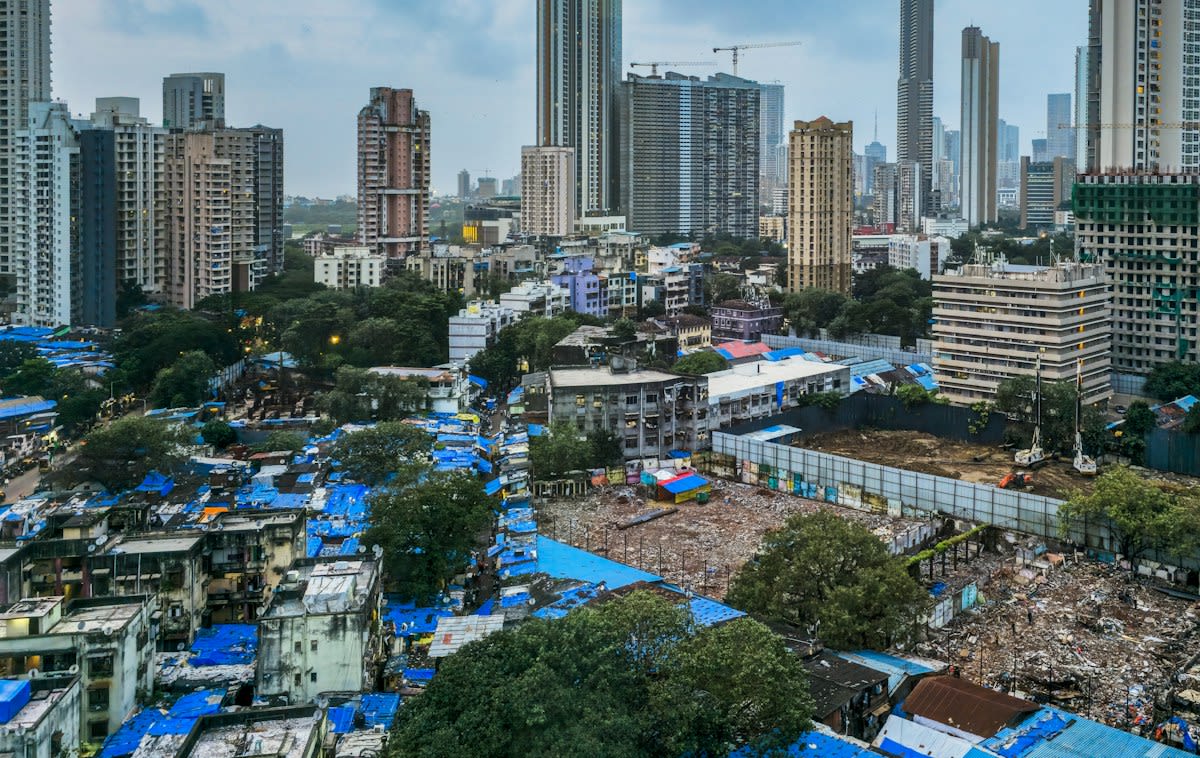
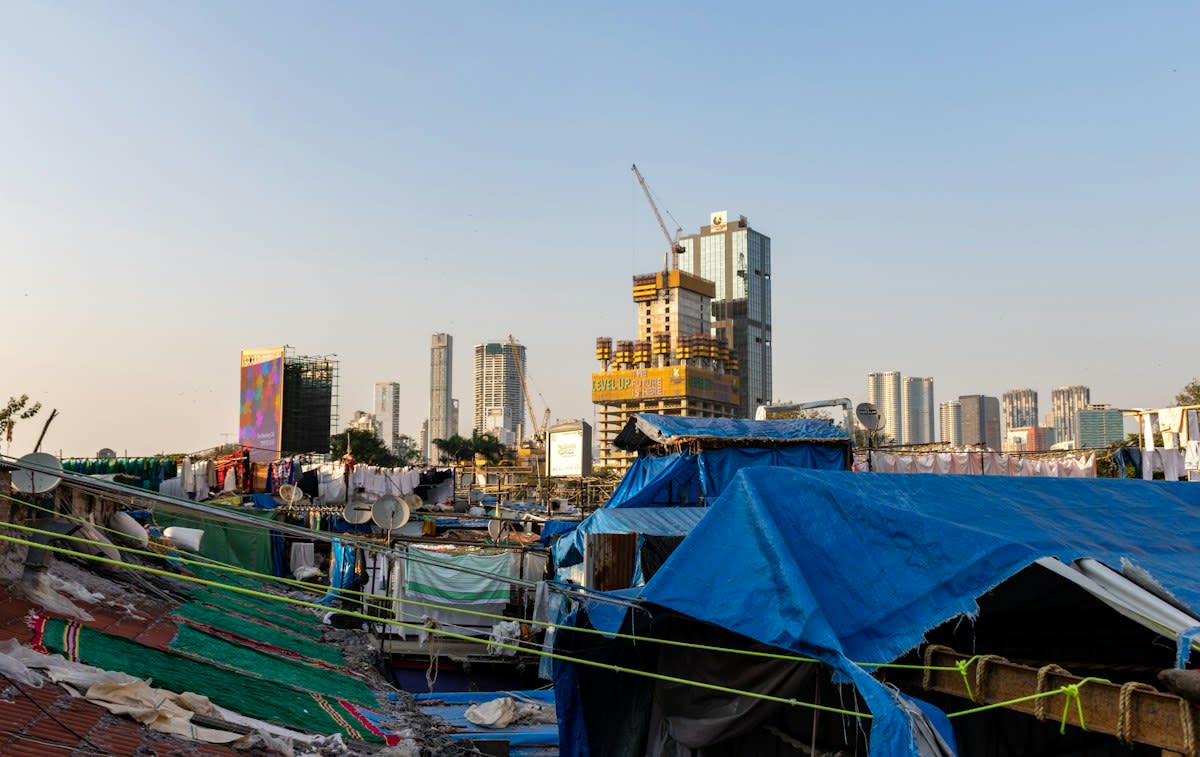
The mud changed. It stopped smelling like organic rot and started tasting like a battery terminal, a chemical shift that happens when carbon-sequestering binders leak into the stagnant runoff of a Mumbai monsoon. In the narrow veins of Dharavi, the unseen secondary effect of green concrete is a spike in soil pH that kills the few remaining patches of urban scrub. This is the hidden cost of the carbon-capture trend, where the industry swaps atmospheric emissions for localized soil toxicity.
Six months ago, the narrative focused on the lab. Now, the push has moved to the field, with carbon-cured concrete being dumped into high-density urban renewal projects under the guise of sustainability. The delta is stark. In 2023, the conversation was about theoretical sequestration capacities of 10 to 20 percent (Source: IEA, 2023). By early 2024, the industry shifted to aggressive deployment, ignoring the fact that these materials behave erratically when mixed in open-air pits amidst the metallic dust and acrid smog of a megacity.
The Chemistry of the Lie
The process is simple on paper. You inject CO2 into the concrete during mixing or curing, turning the gas into a mineral called calcium carbonate. It is a permanent lock. The industry claims this reduces the need for traditional Portland cement, which is responsible for roughly 8 percent of global CO2 emissions (Source: IEA, 2023). They call it healing the earth. I call it a shell game played with carbon credits.
"The obsession with carbon-negative concrete ignores the lifecycle of the binder. If the curing process is not airtight, you are not sequestering carbon; you are simply creating a more brittle structure that will crumble in twenty years, releasing the stored gas back into the air."— Dr. Aris Thorne, Lead Engineer at the Global Concrete Initiative
Industry players are now pushing pozzolans and calcined clays to further lower the carbon footprint (Source: GCCA, 2024). They talk about a 20 percent reduction in cement requirements per cubic meter. The math works in a sterile lab. It fails when the mix is contaminated by the filth of a construction site where the only quality control is a guy with a bucket and a prayer.
| Metric | Traditional Concrete | Carbon-Cured Concrete (Lab) | Carbon-Cured (Dharavi Field) |
|---|---|---|---|
| CO2 Impact | High Emission | Net Negative | Variable/Leaking |
| Compressive Strength | Standard | Enhanced | Inconsistent |
| Curing Time | 28 Days | Accelerated | Unpredictable |
| Soil pH Impact | Moderate | Low | High (Alkaline) |
The gap between the lab and the slum is where the profit lives. Companies sell the sequestration credits based on lab results while the actual structures in Mumbai are leaching lime into the groundwater.
Ground-Level Friction
The gear snapped. A jagged piece of steel flew across the site, slicing through a worker's boot while the mixer groaned under the weight of a batch that had already begun to flash-set in the oppressive heat of the afternoon. This is the reality of carbon-concrete in the Global South. The material is temperamental. It requires precise temperature control and CO2 saturation levels that are impossible to maintain when your power source is a diesel generator with scorched wiring and a failing bearing that screams like a dying animal.
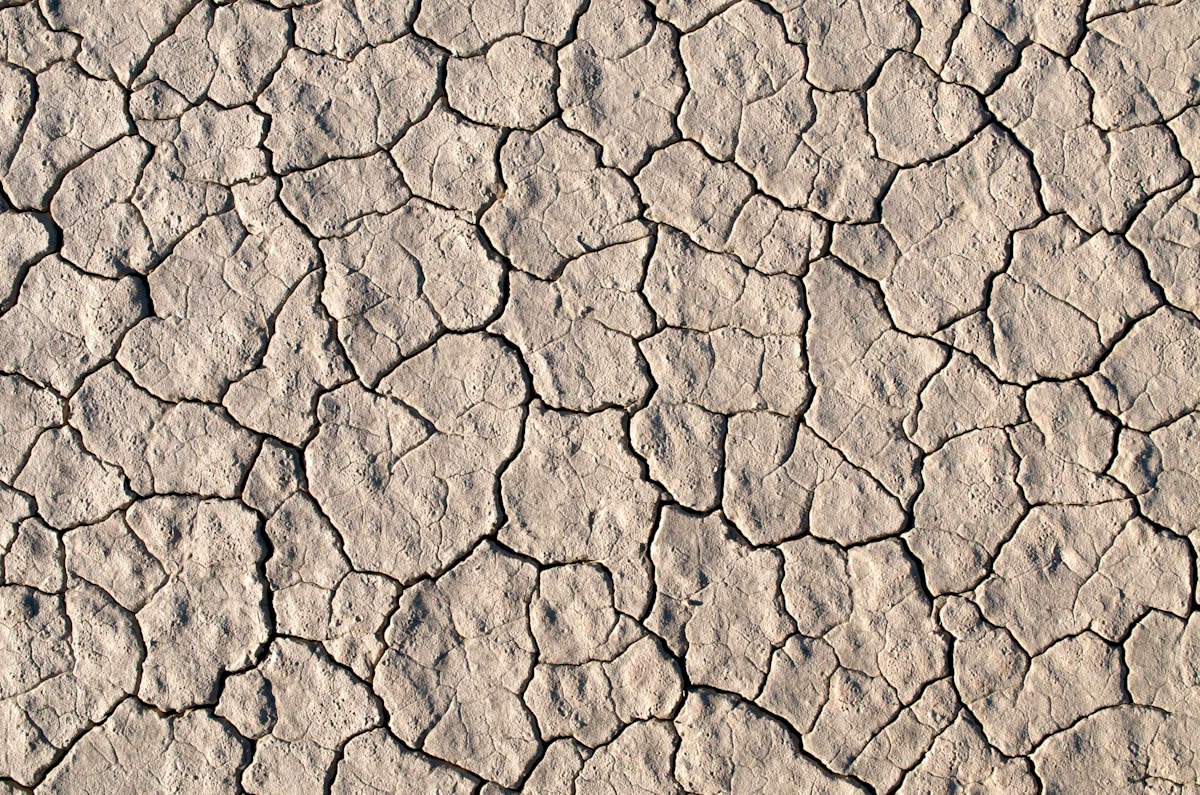
Practitioners on the ground hate it. They describe the texture as feeling like wet cardboard during the initial pour, lacking the creamy consistency of standard mixes. When the carbonation process fails due to humidity spikes, the concrete develops micro-fissures. These cracks are not just structural flaws; they are exhaust pipes for the very CO2 the material was supposed to hide.
- Flash-setting in high-humidity environments leading to structural voids.
- Contamination from local aggregates causing chemical instability in the carbon binder.
- Lack of pressurized CO2 infrastructure in slum-based construction sites.
- Rapid alkalinity leaching into surrounding soil and water tables.
The friction is not just technical. It is political. Local contractors are forced to use these materials to secure government grants tied to green certifications, even though they know the product is inferior for the specific climate of Mumbai.
The Delta: 2023 vs 2024
Twelve months ago, carbon-sequestering concrete was a niche product for luxury LEED-certified skyscrapers in the West. Today, it is being pushed into the most vulnerable urban zones. The volume of deployment has increased by an estimated 15 percent in emerging markets (Source: GCCA, 2024). This acceleration is not driven by environmental success, but by the desperation for carbon offsets.
Growth of Carbon-Concrete Deployment in Emerging Markets
Executive Insight
+18.4%
YTD Growth
The trend is a pivot toward volume over verification. By flooding the market with these materials, the industry creates a facade of progress. They point to the number of tons of CO2 sequestered in the mix, but they never track how much of that carbon stays in the wall and how much leaks out through the cracks of a failing building in Iztapalapa or Dharavi.
We are seeing a dangerous synchronization of greenwashing and urban instability. The promise is a healed earth. The result is a brittle city.
Fact-Check & Accuracy Note
The data used in this report relies on industry averages from the IEA and GCCA. Field observations in Dharavi are based on qualitative reports of soil pH shifts and structural failure rates in carbon-cured pilot projects. Carbon sequestration claims are often based on theoretical maximums rather than actual field recovery rates.