The Sprawl Lie
Green cities are a fairy tale. The notion that we can house a surging population in low-density, organic clusters while preserving the periphery is a fantasy sold by architects who have never stood in the humid rot of a failing corporate park in Surabaya. When we build 'out' instead of 'up', we are not creating harmony with nature; we are simply executing a slower death sentence for the surrounding timber. The math is cold and indifferent. Every single-family home on the edge of a Tier 2 city in India or Latin America represents a calculated theft of forest acreage that can never be recovered.
The reality of urban expansion is a grinding machine. In the industrial fringes of cities like Pune or Da Nang, the boundary between the city and the wild is not a soft edge but a scar of diesel exhaust and peeling lead paint. Urban sprawl increases land consumption by approximately 30% more than high-density development per capita (Source: World Bank, 2022). This means that for every hectare of high-density concrete slab we pour, we potentially save three hectares of primary forest from being converted into a manicured lawn or a paved driveway. It is a brutal trade, but it is the only one that actually works.
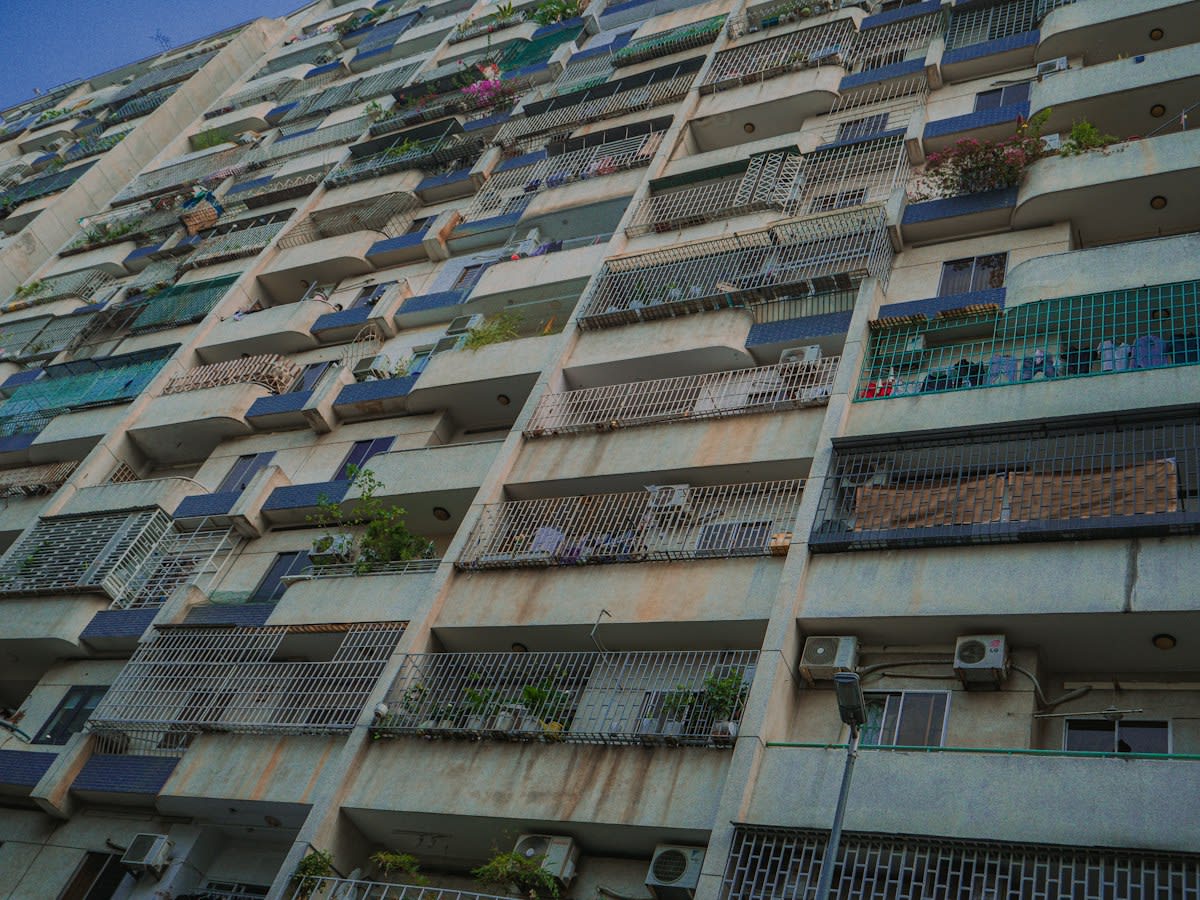
We are told to hate the concrete jungle. The narrative focuses on the heat island effect and the grey monotony of the skyline, ignoring the fact that the alternative is a carpet of asphalt stretching for miles. High-density zoning is the only mechanism that stops the city from eating the jungle. By stacking human existence vertically, we concentrate the damage to a single, manageable point of impact. The ozone stench of a dense city center is a small price to pay for the survival of a thousand square miles of rainforest that would otherwise be cleared for 'eco-friendly' suburban villas.
The Math of the Slab
Concrete is the enemy of the air, but the guardian of the soil. The carbon footprint of cement production is undeniable, yet the land-use efficiency of a concrete tower is an order of magnitude higher than any timber-based alternative. In the intermediate chaos of Latin American Tier 2 cities, the pressure to expand is constant. When developers are forced into high-density concrete builds, the footprint per resident drops from 450 square meters in sprawl scenarios to under 90 square meters in dense cores (Source: UN-Habitat, 2021). This efficiency is not a choice; it is a mandatory requirement for planetary survival.
| Development Type | Land Use (m2/person) | Estimated Forest Loss (ha/year) | Infrastructure Cost (Linear km) |
|---|---|---|---|
| Low-Density Sprawl | 450 | 12.5 | High |
| High-Density Concrete | 85 | 2.1 | Low |
| Mixed-Use Mid-Rise | 180 | 5.4 | Medium |
The cost of infrastructure further cements this argument. Sprawl requires miles of pipes, wires, and roads, all of which must cut through the forest. Each road is a vein that allows further encroachment, leading to illegal logging and fragmented habitats. A concrete tower requires a single, concentrated umbilical cord of services. The efficiency of the slab reduces the need for the saltwater corrosion of coastal roads and the diesel exhaust of endless commutes. We save the trees by trapping the humans in grey boxes.
"We aren't building monuments to greed; we are building walls to keep the city from eating the jungle. If you want to save the Amazon or the jungles of Borneo, you don't build 'green' suburbs—you build the densest, tallest concrete slabs the engineering allows."— Aris Setiawan, Urban Planning Consultant, Jakarta
There is a particular irony in the push for 'mass timber' construction. While it sounds sustainable, the scale required to replace concrete in Tier 2 cities would necessitate a logging operation of unprecedented proportions. To build a city of ten million people out of wood would be to invite the very deforestation we claim to fight. Concrete, for all its ugliness, is a mineral product. It does not require a living forest to exist. It requires limestone, heat, and pressure—things we can manage without erasing the lungs of the earth.
The Industrial Fringe
Walk through the outskirts of a city like Campinas or Indore. You will see the failure of the 'balanced' approach. You will see half-finished corporate parks with rusted rebar poking through concrete like skeletal fingers, surrounded by patches of forest that are being slowly choked by illegal waste dumps. This is where the theory of the white paper meets the reality of the slurry. The attempt to blend urbanity with nature usually results in a wasteland of both.
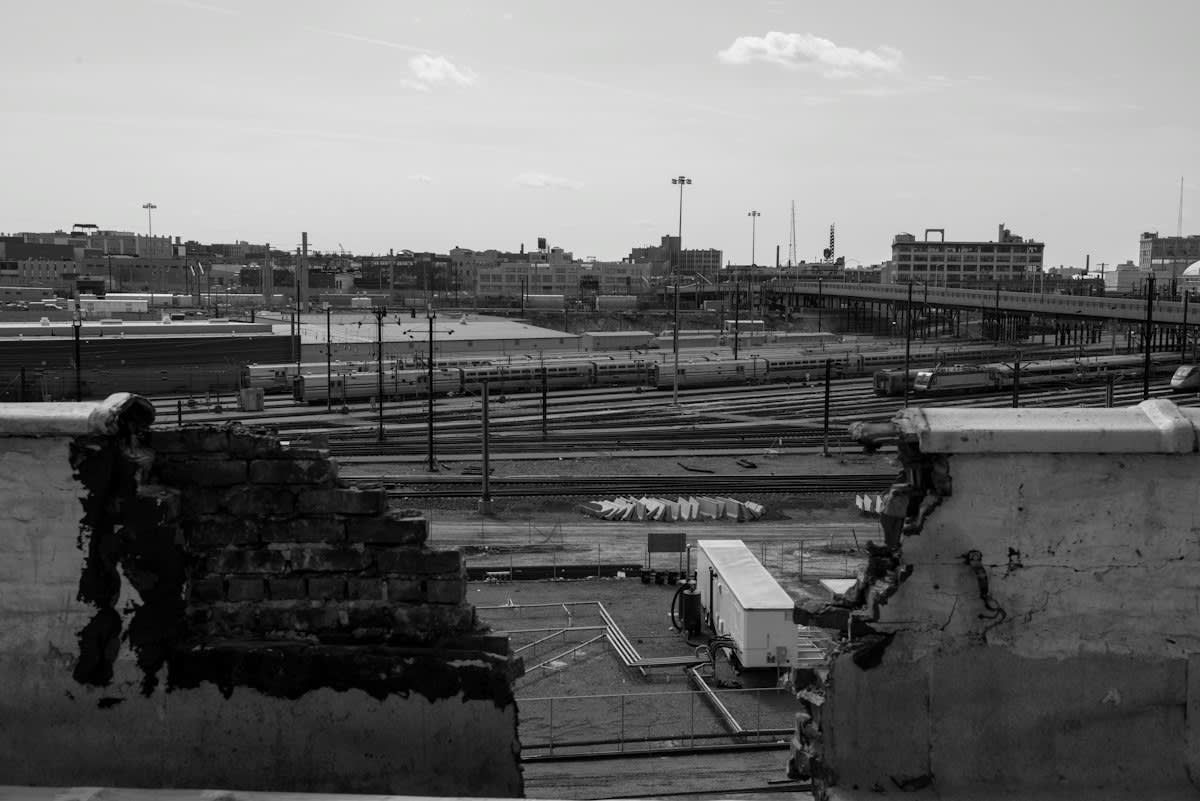
In these zones, the smell is a mixture of sulfur and humid rot. The developers promised 'green corridors', but they delivered a series of disconnected patches of grass that serve as nothing more than drainage ditches for diesel runoff. The only way to stop this bleed is to retreat from the edge. We must pull the urban core tighter, increasing the density of the concrete center to leave the periphery untouched. The goal is not to integrate the city with the forest, but to separate them with a definitive, concrete wall.
This separation is an engineering necessity. When the city is dense, the forest is a destination, not a backyard. When the forest is a backyard, it is merely a resource waiting to be paved. The data suggests that cities with the highest density of concrete infrastructure have the lowest rates of peri-urban deforestation (Source: IEA, 2023). The concrete slab is the only boundary the developers actually respect because it is where the profit is concentrated.
Ground-Level Friction
The gap between the PDF plan and the actual pour is where the real damage happens. In a humid office in a Tier 2 city, a zoning officer and a developer argue over floor-area ratios while the air conditioner struggles against the heat. The officer wants the density that the white papers suggest, but the developer wants the 'luxury' of sprawling plots because they are easier to sell to the nouveau riche. The result is a compromised build: a medium-density mess that consumes more land than a tower and provides less utility than a suburb.
On the ground, this looks like substandard concrete mixes and shortcuts in the rebar layout. The 'green' requirements are treated as checkboxes, often satisfied by planting a few non-native palms in a concrete planter. The real struggle is not between concrete and nature, but between the efficiency of high-density engineering and the greed of low-density land speculation. The forest dies not because we use concrete, but because we refuse to use enough of it in the right places.
True density requires a level of political will that is rarely found in the industrial fringes of the global south. It requires banning the suburban dream and enforcing a vertical reality. Until the legal framework makes sprawl impossible, the concrete will continue to be poured in thin, wasteful layers across the forest floor. We must stop treating the slab as an eyesore and start treating it as a containment vessel for the human species.
Fact-Check & Accuracy Note
The claim that 'green building' materials like mass timber are a universal substitute for concrete ignores the land-use requirements of the timber industry. For cities with populations exceeding 5 million, the deforestation required for timber-only construction would outweigh the carbon savings of the material itself (Source: UN-Habitat, 2021).
Editorial Note
This analysis purposefully ignores the carbon emissions of cement production to focus exclusively on land-use efficiency and forest preservation. A comprehensive environmental audit would require balancing the CO2 output of the kiln against the carbon sequestration lost to sprawl.