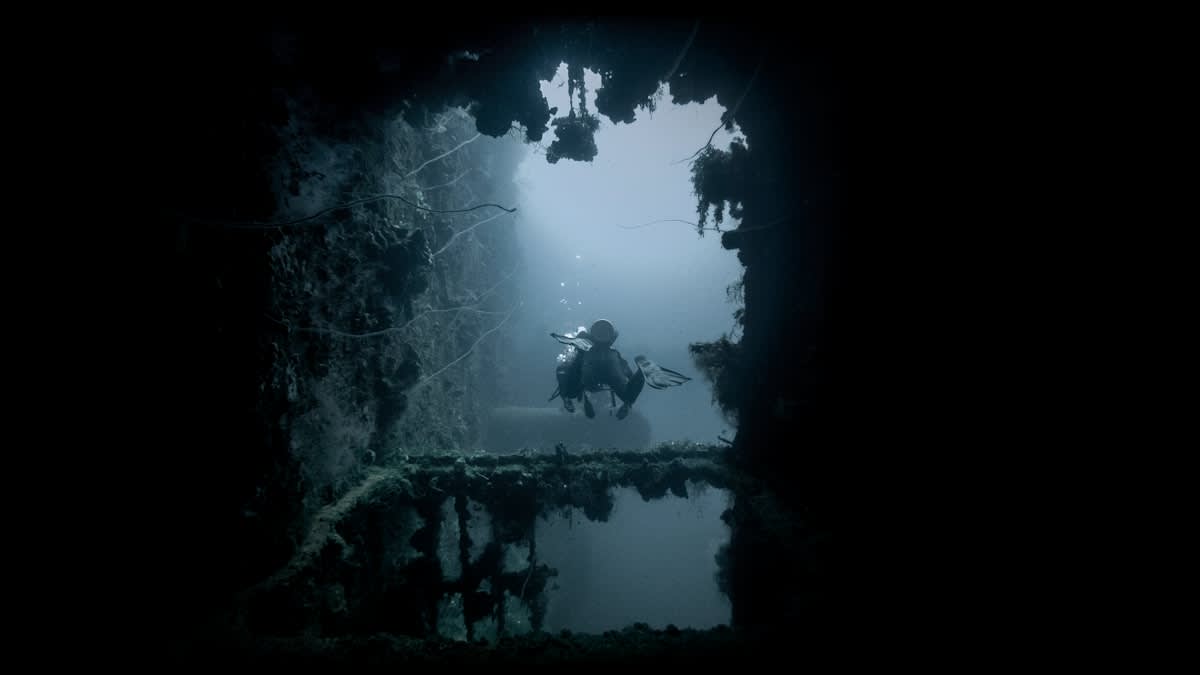
The global mining industry is bleeding value. In the second quarter of 2026, the world's 50 largest mining companies saw their combined market capitalization plummet to $2.19 trillion, a staggering loss of $228 billion in just three months. This is not a simple market correction. It is a reaction to a volatile cocktail of geopolitical friction and monetary tightening. When the U.S.-Iran conflict disrupted shipping through the Strait of Hormuz, the resulting energy supply gaps fueled inflation, forcing a reshaping of monetary policy that hit capital-intensive mining projects the hardest. Why does this matter for a patch of ocean between Hawaii and Mexico? Because when terrestrial assets become liabilities, the hunt for high-grade, uncontested deposits moves to the abyss.
Terrestrial mining is currently a gamble on stability that no longer exists. While explorers are hitting high-grade copper at Majuba Hill (10.5%) or finding tungsten at the Hill of Leaders, these wins are isolated. The broader trend is one of fragility. Rio Tinto, for instance, faces a copper production gap after 2030, a deficit that threatens the very foundations of the energy transition. If the land cannot provide the volume required to sustain global electrification, the industry must look downward. The Clarion-Clipperton Zone (CCZ) represents the most concentrated accumulation of polymetallic nodules on the planet, offering a potential escape hatch for companies staring down a production cliff.
The Arctic Precedent and the Race for Sovereignty
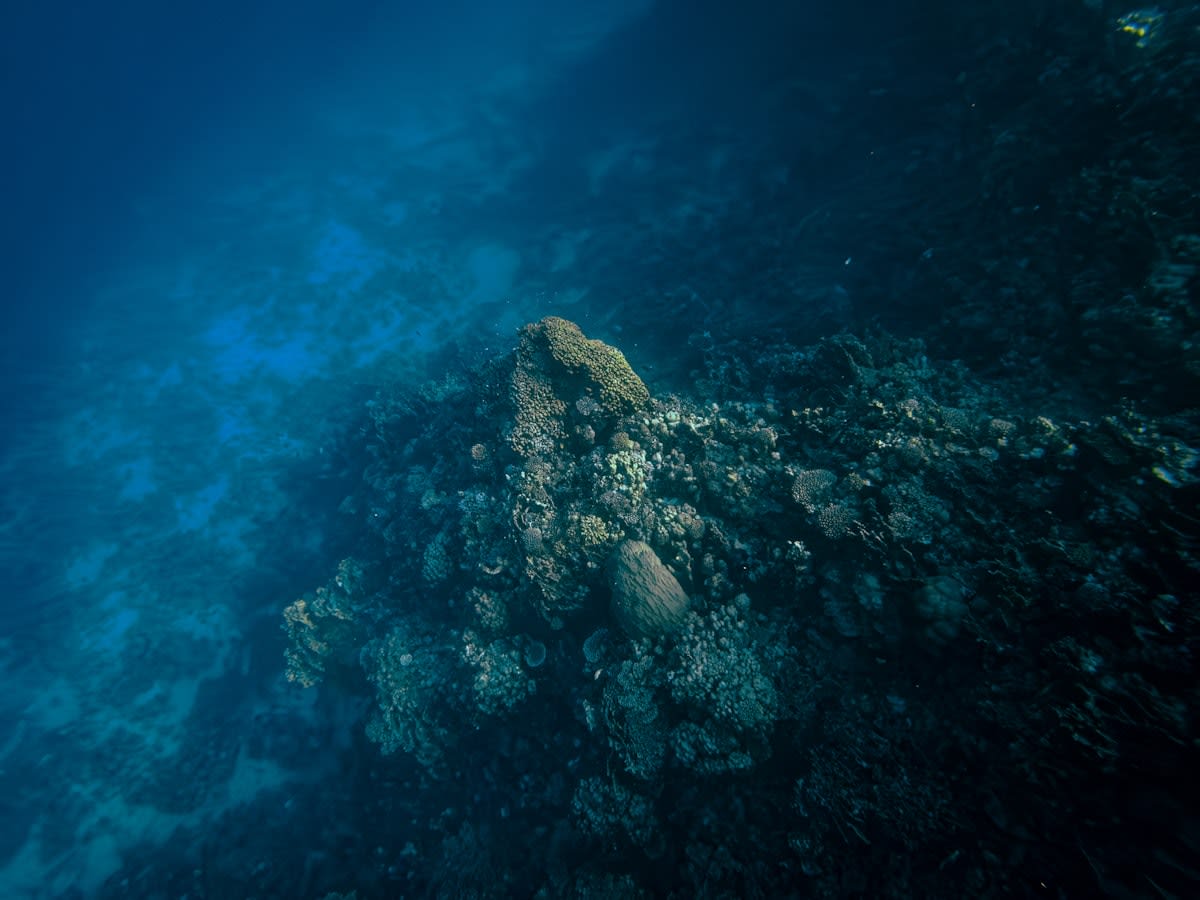
Norway is already moving. A recent month-long Arctic expedition documented fragile marine life in areas the Norwegian government is considering for deep-sea mining. This isn't just about minerals; it is about establishing a footprint in the deep ocean before the regulatory window slams shut. By pushing into the Arctic seabed, Norway is signaling that the risk to fragile ecosystems is a secondary concern compared to the strategic imperative of resource independence. The CCZ is the logical extension of this logic. While the Arctic is territorial, the CCZ exists in international waters, making it a contested space where corporate ambition meets the limits of international law.
Does the world really need more minerals, or do we just need them from places where we can control the supply chain? The current instability in the Strait of Hormuz proves that energy and mineral security are inextricably linked. When a single choke point can wipe billions off the Mining Top 50's valuation, the allure of the CCZ grows. It is not merely about the abundance of cobalt or nickel; it is about removing the geopolitical risk inherent in land-based mining, which is often tied to volatile regimes or conflict-prone borders.
The Valuation Hedge
The valuation crash of Q2 2026 reveals a critical vulnerability: the mining industry is over-leveraged against terrestrial geopolitical stability. The shift toward the seabed is a hedge against the failure of the land-based supply chain.
The financial desperation is evident in the fragmented nature of current discoveries. We see Brazil opening its uranium sector to private investment and companies like Toubani securing $300 million for projects in Kobada. These are attempts to diversify, but they are small-scale compared to the systemic gap Rio Tinto is facing. The CCZ offers a scale of resource density that makes these terrestrial projects look like rounding errors. However, the cost of entry is no longer just financial; it is ecological.
The Carbon Juicer: A Scientific Counter-Argument
Just as the economic case for the CCZ strengthens, the scientific case against it becomes more complex. Research from the University of Southern Denmark has uncovered a mechanism that rewrites our understanding of the deep ocean. Scientists found that extreme pressure acts like a giant juicer, squeezing dissolved carbon and nitrogen out of sinking organic particles—known as marine snow—and making them immediately available to microbes. This discovery suggests that the deep sea is not a nutrient-starved wasteland, but a highly active biological engine.
If the deep ocean microbes rely on this pressure-induced nutrient release, the physical disruption caused by mining nodules could be catastrophic. Mining machines do not just pick up rocks; they kick up plumes of sediment that could smother these microbial communities and disrupt the carbon cycle. We have long assumed that carbon carried by marine snow simply becomes buried in sediments. If the SDU findings are correct, disturbing the seabed could release stored carbon or destroy the very mechanisms that sequester it, turning a mineral solution into a climate disaster.

This creates a paradox. To solve the copper gap and stabilize the mining market, the industry must venture into a zone where the ecological cost is almost impossible to quantify. The discovery of these 'secret' food sources for deep-sea life means that the baseline for environmental impact assessments is fundamentally flawed. We are planning to mine an environment we have only just begun to understand.
| Metric | Terrestrial Mining (Q2 2026) | Deep-Sea Prospecting (Trend) |
|---|---|---|
| Market Valuation | Shed $228 Billion (Mining Top 50) | Speculative / Long-term Growth |
| Supply Chain Risk | High (Strait of Hormuz vulnerability) | Low (International Waters) |
| Resource Density | Variable (e.g., 10.5% Cu at Majuba Hill) | High (Polymetallic Nodules) |
| Ecological Knowledge | Comprehensive / High Impact | Emerging (SDU 'Juicer' Discovery) |
| Production Timeline | Immediate / Declining (Rio Tinto gap 2030) | Mid-to-Long Term |
The tension between these two forces—the financial collapse of land-based mining and the biological complexity of the deep sea—is where the battle for the CCZ is being fought. It is no longer a debate about whether we should mine the ocean, but whether we can afford not to. For a CEO looking at a $2.19 trillion market cap that is shrinking, the risk of a microbial collapse in the abyss is a distant concern compared to the immediate risk of a copper shortage in 2030.
We must ask: is the CCZ a legitimate solution or a desperate gamble? The rush to the seabed is being driven by the failure of terrestrial geopolitics. When shipping lanes are blocked and inflation spikes, the only remaining hedge is the one place where no one owns the land, but everyone wants the minerals. The CCZ is not just a mining site; it is the physical manifestation of the global struggle for resource sovereignty in an era of permanent instability.
Ultimately, the contest over the Clarion-Clipperton Zone will be decided by who can withstand the volatility of the next few years. If terrestrial mining continues to shed value and the copper gap widens, the pressure to ignore the 'giant juicer' of the deep sea will become irresistible. The abyss is no longer a void; it is the most valuable real estate on Earth, precisely because it is the only place left where the rules haven't been written yet.