Did you know about knock knees in children? Dr Somesh Virmani shares causes, symptoms, and treatment
Source Entity
Latest News: Today's Latest News Headlines from India & World | Hindustan Times | Hindustan Times
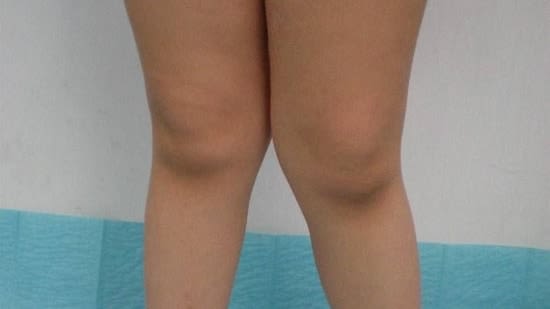
Dr. Somesh Virmani provides expert guidance on genu valgum, commonly known as knock knees, in children, detailing its causes, visible symptoms, and the various treatment paths available to ensure healthy development.
Understanding Genu Valgum: A Comprehensive Look at Knock Knees in Children
In the realm of pediatric orthopedics, identifying developmental milestones and abnormalities is crucial for a child's long-term mobility. Dr. Somesh Virmani has brought critical attention to a condition known as genu valgum, more commonly referred to as "knock knees." This condition is characterized by a visible misalignment of the legs where the knees touch or overlap when the child stands with their feet slightly apart. While often a natural part of growth, Dr. Virmani's insights emphasize the importance of distinguishing between physiological development and pathological conditions that require medical intervention.
The Nature and Anatomy of Genu Valgum
At its core, genu valgum occurs when the distal part of the femur (thigh bone) is angled inward, or the proximal part of the tibia (shin bone) is angled outward. This creates an inward collapse of the knees. In many children, this is a transient phase of development; for instance, it is quite common for toddlers to exhibit knock knees between the ages of three and five. However, when the misalignment persists beyond the typical age range or is accompanied by pain and instability, it transitions from a developmental phase to a medical concern that necessitates professional evaluation.
Analyzing the Primary Causes
Dr. Virmani highlights that the causes of knock knees can vary significantly. Some cases are idiopathic or genetic, meaning they are simply part of the child's biological blueprint. However, environmental and nutritional factors play a significant role. A primary concern in pediatric health is Rickets, a condition caused by severe Vitamin D, calcium, or phosphate deficiency, which leads to softening of the bones and subsequent bowing or knocking. Additionally, childhood obesity can exacerbate the condition, as excessive weight puts undue pressure on the growth plates of the knees, pushing them inward and worsening the alignment.
Identifying Symptoms and Diagnostic Markers
Detection usually begins with visual observation by parents or educators. The most apparent symptom is the "knocked" appearance of the knees during standing. Beyond the visual, Dr. Virmani points toward functional symptoms, such as an abnormal gait or a tendency for the child to trip more frequently than their peers. When a child is diagnosed, medical professionals typically use physical examinations and, in some cases, X-rays to measure the "intercondylar distance" (the space between the knees) and the "intermalleolar distance" (the space between the ankles) to determine the severity of the valgus deformity.
Treatment Modalities and Management
Treatment for genu valgum is highly individualized based on the cause and severity. For physiological knock knees, the primary recommendation is often "watchful waiting," as the bones typically realign themselves as the child grows. However, for pathological cases, Dr. Virmani suggests a multi-pronged approach. This may include nutritional supplementation to correct deficiencies, physical therapy to strengthen the hip and ankle muscles, or the use of orthotic inserts to support the arch of the foot. In severe or skeletal-based cases, surgical intervention—such as guided growth surgery—may be required to correct the angle of the bone.
Long-term Implications and Future Trends
If left unaddressed, severe genu valgum can lead to chronic joint issues in adulthood. The improper alignment of the knee joint causes an uneven distribution of weight, which can accelerate the wear and tear of the cartilage on the outer side of the knee. This significantly increases the risk of early-onset osteoarthritis and chronic knee pain. As pediatric care evolves, there is a growing trend toward early screening and preventative nutrition to ensure that skeletal deformities are caught and corrected before they impact a child's quality of life in adolescence and adulthood.
Conclusion
Dr. Somesh Virmani's guidance serves as a vital reminder that while some physical irregularities in children are normal, vigilance is key. By understanding the causes—ranging from nutritional deficits to genetic predispositions—and recognizing the symptoms early, parents and healthcare providers can implement the necessary treatments to ensure a child's musculoskeletal health. The goal is not just the aesthetic correction of the legs, but the preservation of long-term joint functionality and overall mobility.
Verification Required?